A great wine and cheese night for six needs less than you’d think: three wines, three cheeses matched to them, about 100 grams of cheese per person, simple accompaniments, and a plan for temperatures and pacing. Taste the pairings from mild to strong, keep water and a good alcohol-free drink on the table, and make sure everyone gets home safely.
The easiest way to see how it comes together is to walk through one evening from shopping list to last pour.
What follows is a hypothetical host planning a relaxed Saturday tasting for six friends. Swap in your own favorites; the logic stays the same.
Key takeaways
- Three wines and three cheeses, each deliberately paired, is plenty for six people.
- Plan about 100 to 125 grams of cheese per person when cheese is the main event.
- Take cheese out 30 to 60 minutes before serving; chill whites and sparkling, and give reds a short spell in the fridge.
- Taste in order from light to strong, both wine and cheese.
- Offer water and an alcohol-free pairing, serve real food, and arrange sober rides home.
The scenario: six guests, one Saturday
Say you’re Sam, and you’ve invited five friends over for 7 p.m. on a Saturday. Some know a bit about wine, most don’t, and one isn’t drinking. You want it to feel like a tasting, not a lecture, and you’d like the evening to wind down by about 10.
Sam’s plan fits on one index card: three pairings, served in order, with a board of accompaniments that lets people graze between rounds. Here’s how each decision gets made.
Choosing three wines and three cheeses
The simplest pairing rule is to match intensity. Delicate cheeses go with lighter wines, and powerful cheeses need a wine with enough weight or sweetness to stand up to them. A second rule helps too: acidity in wine cuts through fat in cheese, and sweetness balances salt.
| Round | Wine style | Cheese style | Why it works |
|---|---|---|---|
| 1 | Crisp, dry white or dry sparkling | Fresh goat cheese | Bright acidity matches the tangy, creamy cheese |
| 2 | Light- to medium-bodied red | Aged hard cheese, such as an aged cheddar or alpine style | Moderate tannin and fruit meet nutty, savory flavors without overpowering them |
| 3 | Sweet or fortified dessert wine | Blue cheese | Sweetness balances salt and the strong flavor of blue |
Sam picks one of each style rather than particular bottles, and asks the shop staff for a good example within budget. That keeps the focus on how the wine and cheese taste together.
Why three is enough
The Academy of Cheese suggests up to three varieties for an after-dinner cheese course and five to seven for a full tasting. Three pairings sits comfortably between the two for a relaxed evening, and gives everyone time to actually notice the differences.
Covering different milks and textures
The Academy of Cheese also suggests choosing cheeses from different milk types and textures for variety. Sam’s lineup covers goat, cow and a blue, and runs from soft to hard to crumbly.
How much to buy for six
Cheese
The Academy of Cheese recommends 100 to 125 grams per person when cheese is the focus. For six guests that’s roughly 600 to 750 grams in total. Sam buys about 250 grams of each of the three cheeses, which leaves a little extra for second helpings.
Wine
The National Institute on Alcohol Abuse and Alcoholism defines one standard drink as 5 ounces of 12% wine, and a 750 ml bottle holds about 25 ounces, so a bottle gives roughly five full glasses. Tasting pours are smaller, around 2 to 3 ounces.
- One bottle of the white or sparkling for round one
- One bottle of the red for round two
- One smaller bottle of the dessert wine, since pours are tiny
- One spare bottle of the white or red, unopened, in case the group prefers one
Tasting pours from three bottles give six people a glass or so of each style over the evening, which is the right pace for a night built around food and conversation.
Everything else
- Two kinds of crackers and a sliced baguette
- Fresh fruit: grapes, sliced pears or apples
- Something sweet: honey, fig jam or dried apricots
- Something salty or tangy: olives, cornichons, toasted nuts
- A few heartier bites, such as cured meats or a vegetable dip, so nobody drinks on an empty stomach
Temperatures, timing and the board
Temperature changes how both wine and cheese taste. For wine, Wine Enthusiast recommends these serving ranges and fridge times:
- Sparkling wine: 41 to 45°F, up to 2 hours in the fridge
- Light, dry whites: 45 to 55°F, about 1 1/2 hours in the fridge
- Light- to medium-bodied reds: 54 to 60°F, 45 to 60 minutes in the fridge
- Full-bodied reds: 60 to 65°F, about 25 minutes in the fridge
Its tip is to err on the side of colder, since a wine warms up in the glass but can’t be chilled once poured. Serve whites right after chilling and let reds sit out briefly once they come out of the fridge.
Cheese works the other way. The Academy of Cheese says to take it out of the fridge 30 to 60 minutes before serving so it can reach room temperature, when its flavor and texture are at their best. Cold cheese tastes muted.
Sam’s timeline
- 5:00 p.m. White or sparkling into the fridge, if not already chilled.
- 6:00 p.m. Red into the fridge for 45 minutes.
- 6:15 p.m. Cut the cheeses while cold, then set them on the board to come up to temperature.
- 6:45 p.m. Red comes out. Accompaniments go on the board. Water and the alcohol-free drink go on the table.
- 7:00 p.m. Guests arrive.
Building the board
Sam uses one large board, set out in the order of the tasting, left to right.
- Place the cheeses first, with space between them, so strong flavors don’t touch mild ones. Give each its own knife.
- Cut wedges that include the rind. The Academy of Cheese recommends this so guests can choose whether to eat it, since rinds carry flavor.
- Add bread and crackers in the gaps, then fruit, nuts and olives.
- Put sweet accompaniments near the blue, since honey and dried fruit echo the dessert wine.
- Label each cheese with a small card naming it and its paired wine.
Arrange the board in the order you’ll taste it. The table then runs the evening for you.
Pacing the evening and hosting responsibly
Sam spaces the three rounds about 30 to 40 minutes apart. Each round starts with a small pour and a taste of the cheese alone, then the two together. The group talks about what changed. Then the board stays open for grazing until the next round.
An alcohol-free pairing
For the guest who isn’t drinking, and for anyone who wants a break, Sam sets out sparkling apple or grape juice for the first two rounds and a good ginger beer or tart cherry spritzer with the blue. Serve them in the same glasses as the wine so nobody feels left out.
Hosting responsibly
- Keep water glasses filled at every place.
- Serve enough food that the evening feels like a meal, not just a drink.
- Use tasting-size pours and let guests decline a round.
- Switch to coffee or tea and something sweet for the last half hour.
On getting home, NHTSA says to make sure all guests leave with a sober driver. If someone has been drinking, don’t let them get behind the wheel; take their keys and help them arrange a sober ride. Sam checks plans as guests arrive, so it’s settled before the first pour.
For more ideas, our guide to building a cheese board covers accompaniments in detail.
FAQ
Should I serve red or white wine with cheese?
Both. Crisp whites often pair more easily with fresh and soft cheeses, while reds suit aged, harder cheeses. Match the weight of the wine to the strength of the cheese.
Can I cut cheese ahead of time?
Yes. It’s easiest to cut cold from the fridge, then leave it covered on the board to come to room temperature.
What if guests don’t like blue cheese?
Swap in a washed-rind cheese or an aged gouda, and pair it with the dessert wine or a fuller red.
How do I store leftover cheese?
Wrap each piece separately in cheese paper or waxed paper, then loosely in plastic, and keep it in the fridge.
Put your own night on the calendar
Pick a date, invite five friends, and write your three pairings on an index card before you shop. After the evening, note which pairing people talked about most and build your next night around that style. For more ideas, browse our wine and drinks guides or read our food and wine pairing basics.
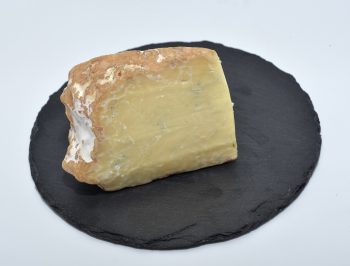
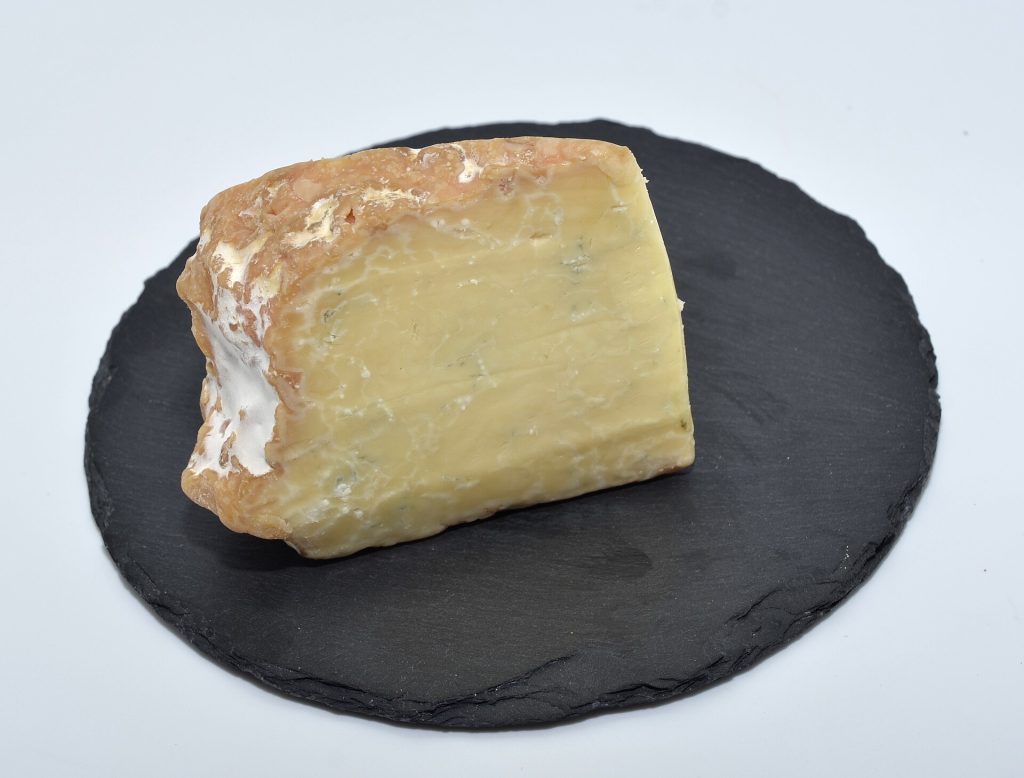
Featured photo: Belper Mürggel B, WikiCheese Lausanne by Yann Forget, BY-SA 4.0.