Umami is the savory, mouth-filling taste you get from a slow-simmered broth, a ripe tomato or a shaving of aged parmesan. It’s recognized as the fifth basic taste, alongside sweet, sour, salty and bitter, and it comes mainly from glutamate plus two helper compounds called nucleotides. Cooking with it means knowing which foods carry it and which combinations multiply it.
You already cook with umami every time you add soy sauce to a stir-fry or parmesan to pasta. Understanding why those moves work lets you make them on purpose.
This explainer covers where the idea came from, the handful of foods that pack the most umami, the pairing trick that makes it stronger, what the FDA says about MSG, and practical ways to use it at home.
Key takeaways
- Kikunae Ikeda identified glutamate as the savory taste of kombu in 1908 and named it umami.
- Glutamate is the main umami compound; inosinate and guanylate are nucleotides that boost it.
- Aged cheese, kombu, soy sauce, tomatoes, anchovies, dried fish and dried mushrooms are all rich sources.
- Pairing a glutamate food with a nucleotide food makes umami markedly stronger than either alone.
- The FDA classifies MSG as generally recognized as safe.
Where the fifth taste came from
The word comes from Japanese chemist Kikunae Ikeda. A review in The American Journal of Clinical Nutrition records that in 1908 Ikeda identified the unique taste component of konbu, the kelp used in Japanese dashi, as the salt of glutamic acid, and coined the term umami to describe it.
Ikeda had noticed the same savory quality in foods like tomatoes, cheese, asparagus and meat. His work also led to a patent on monosodium glutamate, a simple way to add the taste directly.
The idea took a long time to be accepted in the West, where cooks tended to describe the taste as meaty or brothy. The same review notes that umami has since been shown to be the fifth basic taste. Researchers later found dedicated taste receptors for it, which is what settled the question.
The molecules behind umami
Three compounds do most of the work. You don’t need to remember the chemistry, but knowing which group a food belongs to is the key to combining them.
Glutamate is an amino acid found in many protein-rich foods. It becomes tastable when it is free rather than locked up in protein, which is why aging, curing, fermenting, ripening and drying all raise umami. A ripe tomato tastes more savory than an unripe one for this reason.
Inosinate is a nucleotide found mostly in meat and fish. Dried bonito flakes and small dried fish are especially rich in it.
Guanylate is another nucleotide, found most notably in dried mushrooms like shiitake. Drying concentrates it, which is why dried shiitake taste deeper than fresh.
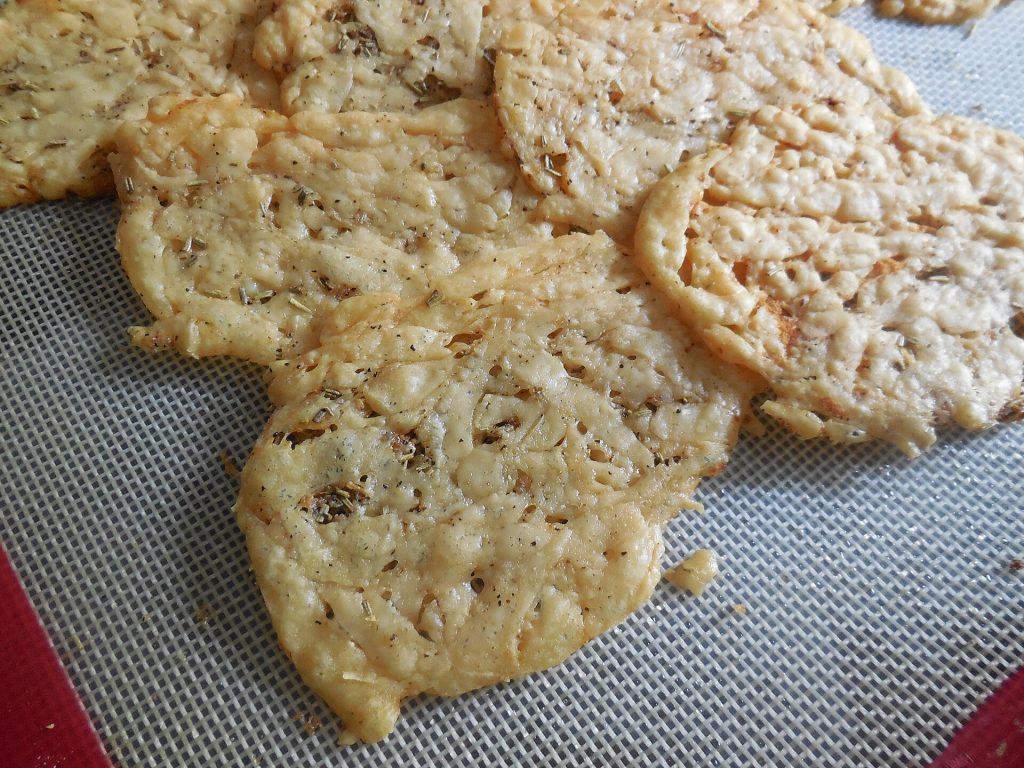
Umami-rich foods in your kitchen
The Umami Information Center publishes typical amounts of each compound in common foods. The ranges below come from its tables and are given in milligrams per 100 grams of food.
| Food | Main umami compound | Typical amount (mg/100 g) |
|---|---|---|
| Kombu (Rausu kelp) | Glutamate | 2,290 to 3,380 |
| Parmigiano Reggiano | Glutamate | 1,200 to 1,680 |
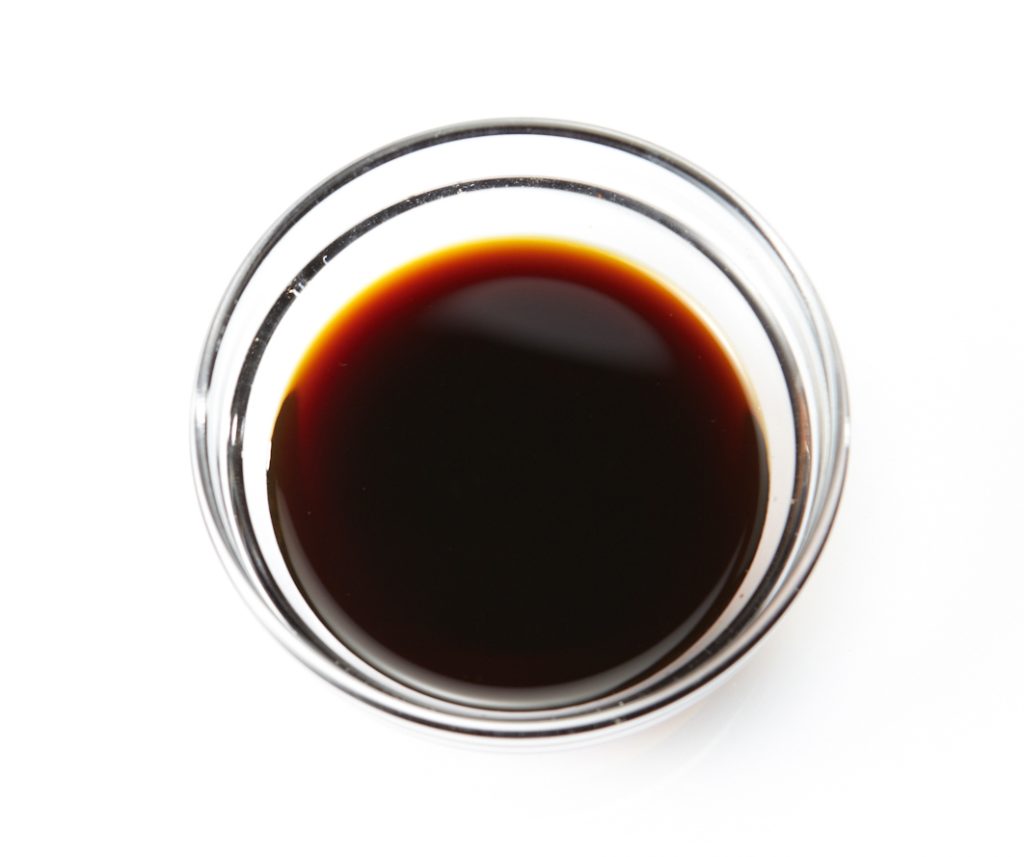
| Soy sauce | Glutamate | 400 to 1,700 |
| Dried tomatoes | Glutamate | 650 to 1,140 |
| Anchovies | Glutamate | 630 |
| Fresh tomatoes | Glutamate | 150 to 250 |
| Dried bonito flakes (katsuobushi) | Inosinate | 470 to 700 |
| Pork | Inosinate | 230 |
| Dried shiitake | Guanylate | 150 |
Notice how drying and aging stand out. Dried tomatoes carry several times the glutamate of fresh ones, and a hard aged cheese is one of the richest sources you can buy. These are also ingredients that keep for months, so a well-stocked pantry is an umami pantry.
Synergy: why some pairings taste so good
Here’s the part that changes how you cook. According to a 2023 review in npj Science of Food, the synergy between glutamate and nucleotides is a hallmark of umami, and the intensity is markedly enhanced when both types are mixed. In other words, one plus one tastes like much more than two.
Traditional cooking figured this out long before the chemistry. Japanese dashi combines kombu, rich in glutamate, with bonito flakes, rich in inosinate. Many Western dishes do the same thing without naming it.
- Tomato sauce with anchovy or meat: glutamate from tomato, inosinate from the fish or meat.
- Mushroom risotto finished with parmesan: guanylate from dried mushrooms, glutamate from cheese.
- Chicken stock with a strip of kombu: inosinate from the bones, glutamate from the seaweed.
- A burger with cheese and ketchup: beef, aged cheese and tomato all working together.
One umami ingredient seasons a dish. Two from different families make it taste like it simmered all day.
Seven ways to cook with umami
You don’t need new recipes. These small changes bring more savory depth to things you already cook.
- Save parmesan rinds. Drop one into a pot of minestrone, beans or tomato sauce while it simmers, then fish it out.
- Brown your tomato paste. Fry it in the oil for a minute or two until it darkens before adding liquid.
- Melt an anchovy into the pan. One or two fillets dissolve completely into a sauce or dressing and leave depth, not fishiness.
- Use mushroom soaking liquid. After rehydrating dried shiitake or porcini, strain the liquid and add it to gravy, stew or risotto.
- Add a strip of kombu to stock or beans. Remove it before the liquid boils hard.
- Season with soy or fish sauce. A teaspoon in a beef stew, chili or vinaigrette works like salt with extra depth.
- Roast vegetables hard. Deep browning on tomatoes, mushrooms and onions concentrates their savory flavor.
Pair these ideas with our tips on making homemade stock for the biggest payoff.
Don’t overdo it
Stacking too many strong umami ingredients can make a dish taste heavy or muddy. Balance it with acid, like lemon juice or vinegar, and fresh herbs at the end.
A quick word on MSG
Monosodium glutamate is simply glutamate paired with sodium, the same compound Ikeda isolated. The FDA describes it as the sodium salt of glutamic acid, made by fermenting starch, sugar beets, sugar cane or molasses, and considers adding it to foods to be generally recognized as safe, or GRAS.
The FDA also notes that scientists have not been able to consistently trigger reactions in controlled studies of people who believed they were sensitive to MSG. An expert review it cites found some sensitive people might have mild, short-lived symptoms after 3 grams or more without food, while a typical serving of a food with added MSG contains less than 0.5 grams.
If you’d rather skip it, that’s easy: every food in the table above supplies glutamate naturally. If you’d like to try it, a small pinch in a soup or a pan sauce shows you exactly what umami tastes like on its own.
FAQ
What does umami taste like?
Savory, brothy and mouth-filling. Think of the difference between plain hot water and a good chicken broth, or a raw tomato and a slow-cooked sauce.
Is umami the same as salty?
No. Salt is its own basic taste. The two often appear together, as in soy sauce, but umami is the rounded, lingering savoriness underneath.
Are there vegetarian sources of umami?
Plenty. Tomatoes, dried mushrooms, kombu, soy sauce, miso and aged cheeses all supply it. Pairing mushrooms with a glutamate source gives you the synergy effect without meat or fish.
Does cooking increase umami?
Methods that break down protein or concentrate flavor tend to, including long simmering, roasting, drying and fermenting.
Try one umami swap this week
Pick one dish you make every week and add a single umami move, such as a parmesan rind in the soup or a spoonful of browned tomato paste in the stew. Taste it side by side with your usual version and you’ll know the fifth taste for good. For more techniques like this, browse our cooking tips or read our guide to tomato sauce.
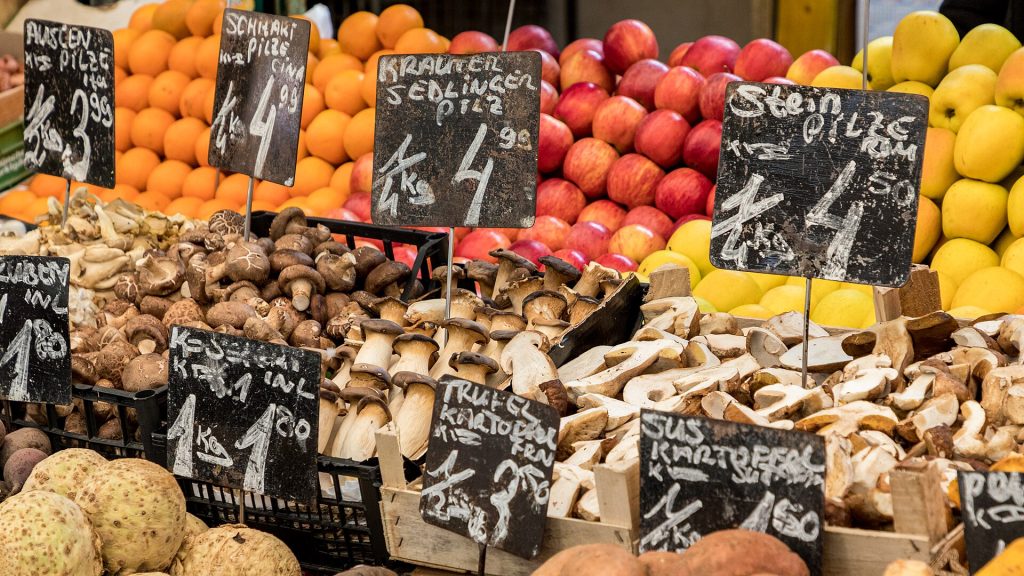
Featured photo: Wien, Naschmarkt — 2018 — 3109 by Dietmar Rabich, BY-SA 4.0.