Wine and chocolate are two of life’s greatest indulgences, but pairing them correctly can turn a simple treat into a memorable tasting experience. While many people automatically reach for red wine with every chocolate dessert, the best combinations depend on sweetness, cocoa content, texture, and flavor intensity.
Whether you’re planning a romantic evening, hosting a dinner party, or simply exploring new flavors, understanding the basics of pairing wine with chocolate helps you enjoy both even more. This guide shares practical tips, classic combinations, and expert recommendations that anyone can follow.
Why Wine and Chocolate Work Together
Wine and chocolate share many natural flavor compounds, including notes of berries, spices, vanilla, nuts, and oak. When balanced correctly, they enhance one another instead of competing for attention.
The key is matching sweetness and intensity. A wine that is sweeter than the chocolate usually creates the most enjoyable experience, while wines that are too dry can taste bitter when paired with rich desserts.
Wine and Chocolate Pairings Everyone Should Try
Successful wine and chocolate pairings begin by matching the style of wine with the type of chocolate you’re serving.
Dark Chocolate
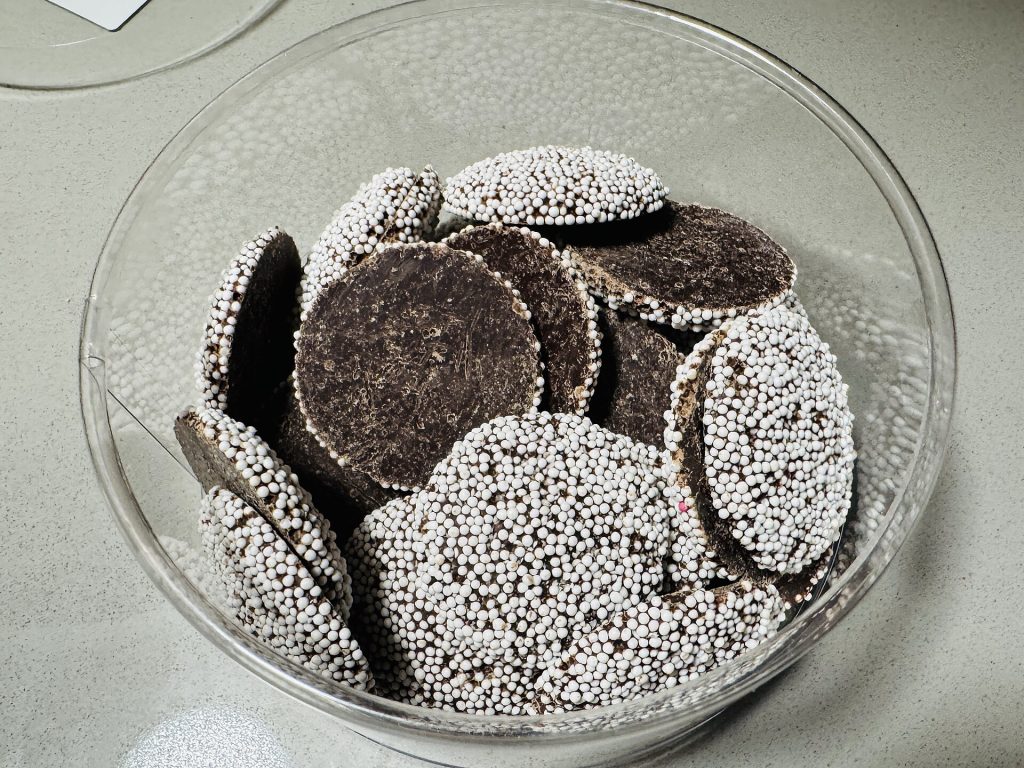
Dark chocolate with 70% cocoa or higher pairs beautifully with bold red wines such as Cabernet Sauvignon, Zinfandel, Syrah, and Port. These wines have enough body and fruit to complement the chocolate’s rich bitterness.
Milk Chocolate
Milk chocolate offers creamy sweetness that works well with Merlot, Pinot Noir, Ruby Port, or sweeter sparkling wines. These wines bring fruit-forward flavors that balance the chocolate’s smooth texture.
White Chocolate
White chocolate contains cocoa butter instead of cocoa solids, making it rich and buttery. Moscato, Riesling, Prosecco, and Champagne provide refreshing acidity that keeps each bite from feeling overly heavy.
Chocolate with Nuts or Caramel
Desserts featuring caramel, hazelnuts, or almonds pair wonderfully with Tawny Port, Madeira, or aged Sherry, creating warm flavors of toffee, dried fruit, and roasted nuts.
Understanding Wine Pairings with Food
Although chocolate deserves special attention, the same basic principles apply to wine pairings with food. Successful pairings focus on balance rather than strict rules.
Keep these guidelines in mind:
-
Match light dishes with lighter wines.
-
Pair rich foods with full-bodied wines.
-
Sweet desserts need sweeter wines.
-
Acidic wines complement creamy dishes.
-
Fruity wines often pair well with berry desserts.
Learning these fundamentals makes it easier to confidently pair wines with everything from appetizers to desserts.
Best Wine Styles for Chocolate Lovers
Different wines create completely different tasting experiences with chocolate.
Cabernet Sauvignon
Excellent with dark chocolate truffles and bittersweet desserts.
Pinot Noir
A versatile choice for milk chocolate, chocolate-covered strawberries, and lighter desserts.
Port Wine
One of the most popular dessert wines, Port complements nearly every style of chocolate thanks to its richness and natural sweetness.
Sparkling Wine
Champagne and sparkling wines provide a refreshing contrast with creamy white chocolate, chocolate mousse, and chocolate-covered fruit.
Dessert Wines
Late Harvest Riesling, Ice Wine, and Sauternes deliver balanced sweetness that pairs beautifully with elegant chocolate desserts.
Hosting the Perfect Chocolate and Wine Tasting
Creating your own tasting experience at home is easier than many people think.
Offer guests several chocolate varieties ranging from white to dark alongside a selection of wines with different sweetness levels. Taste the wine first, then the chocolate, followed by another sip of wine to notice how the flavors evolve.
Provide water and plain crackers between tastings to cleanse the palate and help guests fully appreciate each combination.
The Growing Popularity of Food and Drink Experiences
Today’s diners are looking for more than just great meals—they want memorable Food and Drink experiences. Restaurants, wineries, and tasting events continue introducing curated wine flights, dessert pairings, and seasonal menus that highlight complementary flavors.
Chocolate and wine tastings have become especially popular because they combine education with entertainment. They’re perfect for date nights, celebrations, corporate events, and holiday gatherings while encouraging guests to explore new flavor combinations.
Common Pairing Mistakes to Avoid
Even quality wine and premium chocolate can disappoint when matched incorrectly.
Avoid these common mistakes:
-
Serving dry wine with very sweet chocolate.
-
Pairing delicate wines with extremely dark chocolate.
-
Ignoring serving temperature.
-
Choosing wines solely based on color instead of sweetness and body.
Instead, focus on balance, allowing both the wine and chocolate to shine together.
Final Thoughts
Pairing wine and chocolate doesn’t require expert-level knowledge—just curiosity and a willingness to experiment. By understanding sweetness, body, and flavor intensity, you’ll discover combinations that elevate every tasting experience.
Whether you’re enjoying dark chocolate with Cabernet Sauvignon, creamy milk chocolate with Pinot Noir, or sparkling wine alongside white chocolate, the right pairing creates unforgettable moments. Continue exploring different combinations and trust your own palate to discover your personal favorites.
For more expert insights on restaurant trends, dining experiences, and hospitality tips, visit RestaurantWebX.com and explore more Food and Drink guides to elevate every meal.