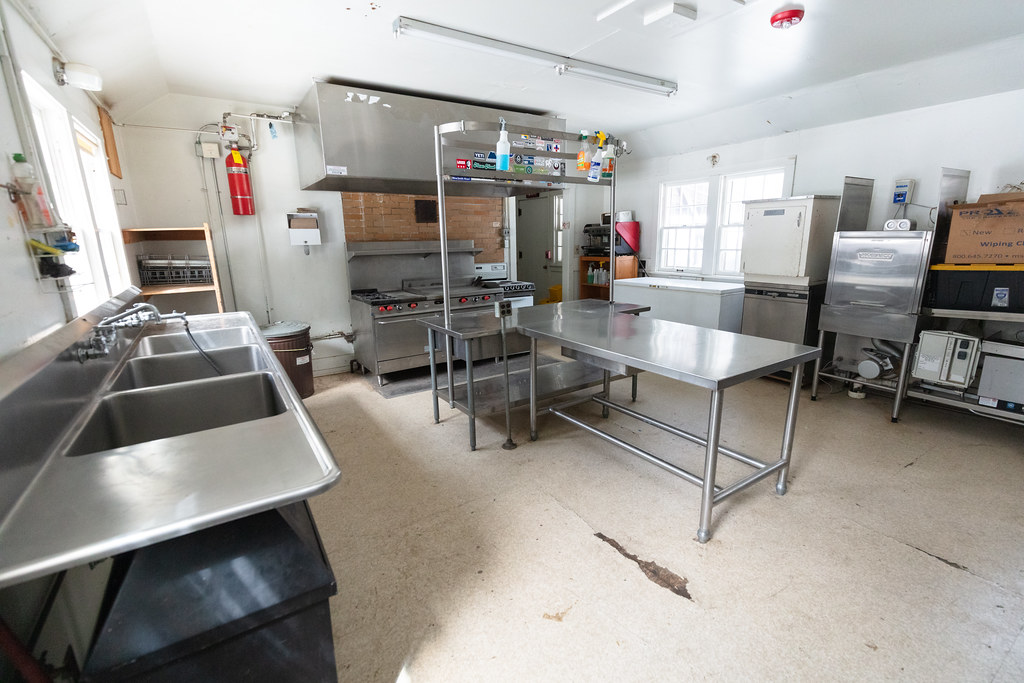
Water-related issues in restaurants create operational disruption, safety hazards, and structural damage. Kitchens, restrooms, and utility areas are all high-risk zones due to constant water usage. Without preventive maintenance, small leaks can escalate into major failures affecting flooring, walls, and equipment. Effective maintenance requires regular inspection, early detection, and controlled system management.
Preventing water damage depends on consistency and attention to high-risk components.
Inspect Plumbing Systems Regularly
Plumbing infrastructure is the primary source of water-related issues. Pipes, joints, and fixtures must be inspected frequently to detect early signs of wear or leakage.
Common inspection points include:
- Sink connections and drainage lines
- Dishwasher and appliance water lines
- Restroom plumbing fixtures
Even minor leaks can lead to structural damage over time. Early identification reduces repair costs and prevents service interruptions.
In cases where issues escalate, services addressing Fort Worth water damage highlight how quickly untreated leaks can affect both structure and operations.
Routine inspections are essential for preventing long-term damage.
Monitor High-Use Equipment Connections
Restaurant equipment relies heavily on water connections. Dishwashers, ice machines, and beverage systems operate continuously and are prone to connection failures.
Maintenance should focus on:
- Tightening hose connections
- Replacing worn seals and gaskets
- Checking for corrosion around fittings
High-use equipment should be inspected more frequently than standard fixtures.
Preventive maintenance reduces the risk of sudden failures during peak service hours.
Maintain Proper Drainage Systems
Drainage issues can cause water accumulation and sanitation problems. Blocked or slow drains increase the risk of overflow.
Effective drainage maintenance includes:
- Regular cleaning of floor drains
- Removing grease buildup in kitchen drains
- Ensuring proper slope for water flow
Grease traps should also be maintained to prevent blockages that can lead to backups.
Proper drainage prevents standing water and reduces contamination risks.
Protect Flooring and Subsurface Layers
Water exposure can damage flooring materials and underlying structures. Prolonged moisture leads to warping, mold growth, and surface deterioration.
Preventive steps include:
- Using water-resistant flooring materials
- Sealing joints and edges to prevent seepage
- Addressing spills immediately
Subsurface damage is often not visible until it becomes severe.
Protecting flooring reduces long-term repair costs.
Implement Leak Detection Systems
Early detection systems improve response time. Sensors can identify moisture or leaks before visible damage occurs.
Common solutions include:
- Water leak detectors near high-risk equipment
- Automatic shut-off valves for major water lines
- Monitoring systems connected to maintenance alerts
These systems provide immediate notification, allowing staff to act quickly.
Faster response reduces the extent of damage.
Train Staff to Identify Warning Signs
Staff members are often the first to notice potential issues. Training improves early detection and response.
Key warning signs include:
- Unusual water pooling
- Decreased water pressure
- Unexplained increases in water usage
Employees should know how to report issues and take initial containment steps.
Training reduces response time and prevents escalation.
Control Humidity and Ventilation
Moisture buildup contributes to long-term water damage. Kitchens generate significant humidity due to cooking and cleaning processes.
Proper ventilation systems help:
- Remove excess moisture from the air
- Prevent condensation on surfaces
- Reduce risk of mold growth
Airflow must be balanced to maintain consistent humidity levels.
Controlled environments protect both structural materials and equipment.
Maintain Roofing and Exterior Drainage
Water intrusion does not only come from internal systems. Roof leaks and poor exterior drainage can introduce water into the building.
Maintenance should include:
- Inspecting roof surfaces for damage
- Clearing gutters and downspouts
- Ensuring proper drainage away from the building
Exterior water management prevents internal damage during heavy rainfall.
Regular inspection reduces the risk of unnoticed leaks.
Schedule Preventive Maintenance Checks
Preventive maintenance schedules ensure that all systems are inspected regularly. Reactive repairs are more costly and disruptive.
A structured schedule should include:
- Monthly plumbing inspections
- Quarterly equipment checks
- Annual system evaluations
Documentation of maintenance activities helps track recurring issues.
Scheduled maintenance improves reliability and reduces unexpected failures.
Prepare for Emergency Response
Despite preventive measures, emergencies can still occur. Restaurants must be prepared to respond quickly.
Emergency preparation includes:
- Identifying water shut-off locations
- Keeping absorbent materials available
- Establishing response procedures for staff
Quick action limits damage and reduces downtime.
Prepared teams handle incidents more effectively.
Restaurants can avoid water-related issues through consistent inspection, equipment maintenance, and environmental control. Plumbing systems, drainage, and flooring require regular attention to prevent deterioration. Early detection tools and trained staff improve response time, while preventive schedules reduce long-term risk. By implementing structured maintenance systems, restaurants can protect both their facilities and daily operations from water damage.