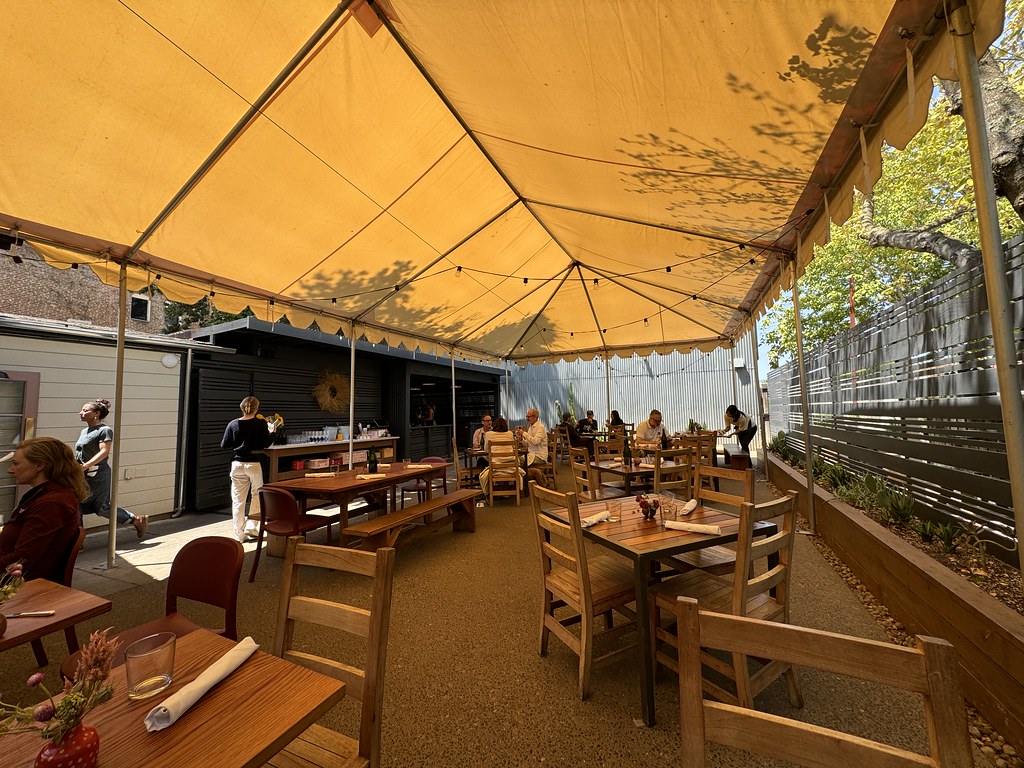
Maintaining a clean dining space requires structured processes, trained staff, and consistent monitoring. Restaurants operate in high-traffic environments where surfaces, air quality, and shared areas are constantly exposed to contaminants. Cleanliness directly affects food safety compliance and customer perception. Effective systems focus on prevention, rapid response, and standardized procedures.
Clean dining environments depend on both routine maintenance and controlled operational workflows.
Establish Structured Cleaning Protocols
Restaurants rely on predefined cleaning schedules to maintain consistency. Tasks are assigned based on frequency, surface type, and usage level.
Daily protocols typically include:
- Sanitizing tables after each use
- Disinfecting high-touch surfaces such as menus and door handles
- Sweeping and mopping floors at regular intervals
Standardization ensures that every staff member follows the same process. This reduces variability and prevents missed areas.
Some establishments supplement internal routines with external providers such as a cleaning service for deep cleaning and periodic sanitation.
Structured protocols reduce contamination risk and maintain consistent hygiene levels.
Control Air Quality and Ventilation
Air quality affects both hygiene and customer comfort. Cooking processes generate smoke, grease particles, and odors that must be managed.
Ventilation systems remove airborne contaminants and introduce fresh air. Effective systems include:
- High-efficiency filters
- Regular HVAC maintenance schedules
- Balanced airflow between kitchen and dining areas
Poor ventilation allows contaminants to circulate, affecting both cleanliness and comfort.
Controlled airflow reduces airborne particles and maintains a stable environment.
Maintain Table and Surface Sanitation
Tables are the most frequently used surfaces in a dining area. They require immediate cleaning after each customer interaction.
Food-safe disinfectants must be used to eliminate bacteria without leaving harmful residues. Cleaning should include:
- Tabletops
- Chair backs and armrests
- Adjacent surfaces
Surface materials influence cleaning efficiency. Non-porous materials such as laminate or sealed wood are easier to sanitize.
Restaurants often use protective layers such as customized table covers to reduce direct wear and simplify cleaning between guests.
Consistent surface sanitation prevents cross-contamination.
Train Staff on Hygiene Standards
Staff behavior directly impacts cleanliness. Employees interact with both food preparation areas and dining spaces, making hygiene training essential.
Key practices include:
- Frequent handwashing
- Proper use of cleaning materials
- Avoiding cross-contamination between tasks
Training should be continuous, not one-time. Regular reinforcement ensures that standards are maintained.
Clear procedures reduce errors and improve accountability.
Manage Waste Efficiently
Waste accumulation affects both hygiene and appearance. Food waste, packaging, and disposable items must be removed quickly.
Effective waste management includes:
- Clearing tables immediately after use
- Emptying trash before containers reach capacity
- Separating waste types when required
Waste storage areas should be isolated from dining spaces.
Proper waste handling reduces odors and prevents pest attraction.
Monitor Restrooms and Shared Spaces
Restrooms and entry areas influence overall perception of cleanliness. These spaces require frequent inspection and maintenance.
Cleaning tasks include:
- Disinfecting sinks, counters, and door handles
- Restocking hygiene supplies
- Maintaining dry and clean floors
Inspection schedules should be consistent throughout operating hours.
Clean shared spaces reinforce overall hygiene standards.
Use Durable and Cleanable Materials
Material selection affects long-term cleanliness. Surfaces must withstand frequent cleaning without degrading.
Preferred materials include:
- Stainless steel for high-contact areas
- Sealed wood or laminate for tables
- Non-porous flooring materials
Durable materials reduce maintenance requirements and improve sanitation efficiency.
Material choice directly impacts cleaning effectiveness.
Implement Real-Time Monitoring Systems
Modern restaurants use monitoring systems to track cleaning performance. Digital checklists and tracking tools ensure tasks are completed on time.
Managers can review:
- Cleaning schedules
- Completed tasks
- Areas requiring attention
Real-time monitoring improves accountability and allows immediate corrective action.
Data tracking supports consistent performance.
Schedule Deep Cleaning Procedures
Routine cleaning does not address all areas. Deep cleaning is required to maintain long-term hygiene.
Tasks include:
- Cleaning ventilation ducts
- Sanitizing hard-to-reach surfaces
- Removing buildup from floors and fixtures
Deep cleaning should be scheduled regularly based on usage levels.
Periodic intensive cleaning prevents long-term accumulation of contaminants.
Maintain Consistency Across Operations
Consistency is critical in maintaining clean dining spaces. Irregular cleaning leads to visible deterioration and increased risk of contamination.
Restaurants must ensure that:
- Procedures are followed across all shifts
- Staff responsibilities are clearly defined
- Cleaning standards remain uniform
Consistency ensures that cleanliness is maintained regardless of operational changes.
Restaurants maintain clean dining spaces through structured protocols, staff training, and controlled environments. Surface sanitation, air quality management, and waste control form the foundation of daily operations. Durable materials and monitoring systems improve efficiency, while deep cleaning ensures long-term hygiene. By maintaining consistent standards, restaurants create safe and reliable dining environments for customers.