Most kitchen cleaning myths come from habits that feel clean but aren’t. Rinsing a sponge doesn’t sanitize it, but a minute in the microwave or a dishwasher cycle with heated drying does. Vinegar is a good cleaner but not a registered disinfectant. Bleach must never be mixed with other cleaners. And both wood and plastic boards need proper care.
None of this means scrubbing more. It means using heat, time and the right product where they count, and skipping the rituals that don’t do much.
Here are six common habits, what the research and public-health agencies actually say, and what to do instead.
Key takeaways
- USDA researchers found microwaving a wet sponge for one minute killed 99.99999% of bacteria; soaking in bleach, lemon juice or water left far more behind.
- Never put a dry sponge or one with a metal scrubber in the microwave; it’s a fire hazard.
- The EPA does not review household ingredients like vinegar, so it can’t confirm how well they kill germs.
- The CDC’s rule is simple: never mix bleach with ammonia or any other cleaner.
- A certified sanitizing dishwasher cycle reaches a 150°F final rinse. Ordinary cycles aren’t tested for that.
Here’s the short version before we go myth by myth.
| Myth | Fact |
|---|---|
| Rinsing a sponge keeps it clean | Heat, from a microwave or dishwasher, is what kills most bacteria |
| Vinegar disinfects like bleach | The EPA doesn’t review vinegar’s germ-killing claims |
| Mixing cleaners makes them stronger | Mixing bleach with other cleaners can create dangerous fumes |
| Plastic boards are always safer | Both wood and plastic need cleaning, sanitizing and replacing |
| A dishcloth lasts a week | Change towels often; wash any used on raw meat juices right away |
| Every dishwasher cycle sanitizes | Only a certified sanitizing cycle is tested to do so |
Myth 1: A rinse and a squeeze keeps a sponge clean
Sponges stay damp and collect food scraps, which makes them a comfortable home for bacteria. A rinse under the tap moves some of the mess around, but it doesn’t do much to what’s living inside.
In a USDA Agricultural Research Service study, researchers soaked sponges in a ground beef solution to load each one with about 20 million bacteria. Microwaving killed 99.99999% of the bacteria, and a dishwasher cycle with a drying cycle killed 99.9998%. Soaking in a 10% bleach solution for three minutes, in lemon juice or in water removed only 37 to 87%, which the researchers said could leave enough bacteria to cause illness.
How to do it safely
- Wet the sponge thoroughly. In the published study, the sponges were wet, and the authors warned that a dry sponge in the microwave is a fire hazard.
- Check for metal. Sponges with metallic scrub pads should never go in the microwave; put them in the dishwasher instead.
- Microwave for one minute on full power. The researchers used a 1,300-watt oven.
- Let it cool before touching, since it will be very hot.
Do this regularly, and replace the sponge when it starts to fall apart or smell.
Myth 2: Vinegar disinfects like bleach
Vinegar is cheap, and it’s good at cutting mineral deposits and grease. That doesn’t make it a disinfectant. The EPA says it does not review the effectiveness of common household ingredients like vinegar or rubbing alcohol, so it cannot verify how well they kill germs.
In the US, products that claim to kill bacteria or viruses are regulated as pesticides and must be registered with the EPA. Vinegar sold for cooking has no such registration.
What to do instead
- Use vinegar for cleaning jobs: descaling a kettle, shining a tap, wiping glass.
- For surfaces that touched raw meat, clean with hot soapy water first, then sanitize.
- If you use a commercial disinfectant, choose one with an EPA registration number and follow the label’s contact time.
Myth 3: Mixing cleaners makes them stronger
Pouring two strong products together seems like it should double the power. It can do the opposite, and it can be dangerous. The CDC’s guidance on cleaning with bleach is blunt: never mix bleach with ammonia or any other cleaner. It also advises opening windows and doors for fresh air when using cleaning products indoors.
- Use one product at a time, and rinse the surface with water before switching.
- Don’t combine bleach with vinegar or other acidic cleaners, or with ammonia-based glass cleaners.
- Keep bleach in its original container, and label any diluted solution you make.
A clean kitchen comes from the right product used correctly, not from the strongest mix you can pour.
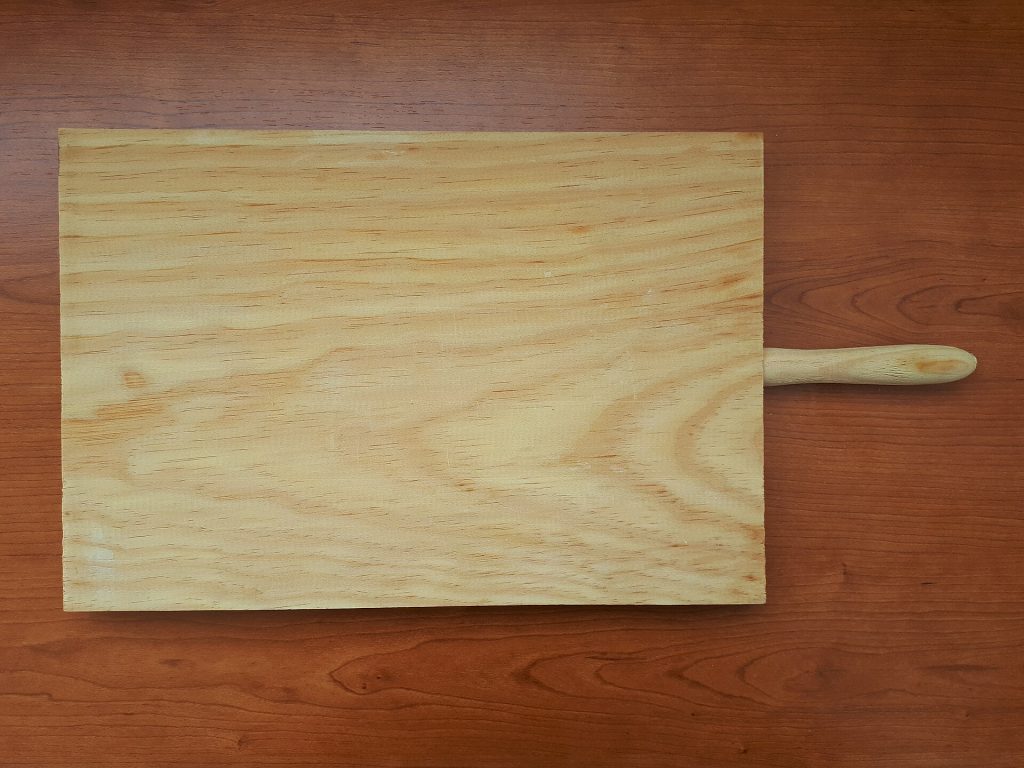
Myth 4: Plastic cutting boards are always safer than wood
This debate never ends because both sides are half right. Washington State University Extension notes that wood can absorb bacteria into tiny cracks, while bacteria are easier to remove from non-porous plastic. But the University of Maine Cooperative Extension points out that plastic boards develop knife scars where bacteria can grow, especially when used for raw meat.
So the material matters less than how you treat it:
- Use two boards: one for raw meat, poultry and seafood, and one for ready-to-eat foods like bread and salad.
- Wash after every use with hot soapy water, then rinse.
- Sanitize with a solution of 1/2 teaspoon of unscented bleach in 1 quart of water, as UMaine suggests. Plastic boards can often go in the dishwasher, but check the maker’s instructions.
- Oil wooden boards with food-safe mineral oil or beeswax about once a month.
- Replace any board with deep grooves or cracks that you can no longer clean well.
Myth 5: A dishcloth is good for a week
A dishcloth or kitchen towel gets damp, warm and full of crumbs, and it touches everything from counters to clean plates. According to the University of Nebraska–Lincoln Extension, the USDA recommends changing kitchen towels frequently, and a common recommendation is to change them daily.
How often really depends on what the cloth is used for. Any towel that wipes up juices from raw meat, poultry or seafood should go straight into the wash.
- Keep a stack of clean cloths so swapping is easy.
- Wash them on the hot cycle and dry them completely on a high setting.
- Use separate towels for drying hands and drying dishes.
- Hang cloths to dry between uses rather than leaving them balled up by the sink.
Myth 6: Every dishwasher cycle sanitizes
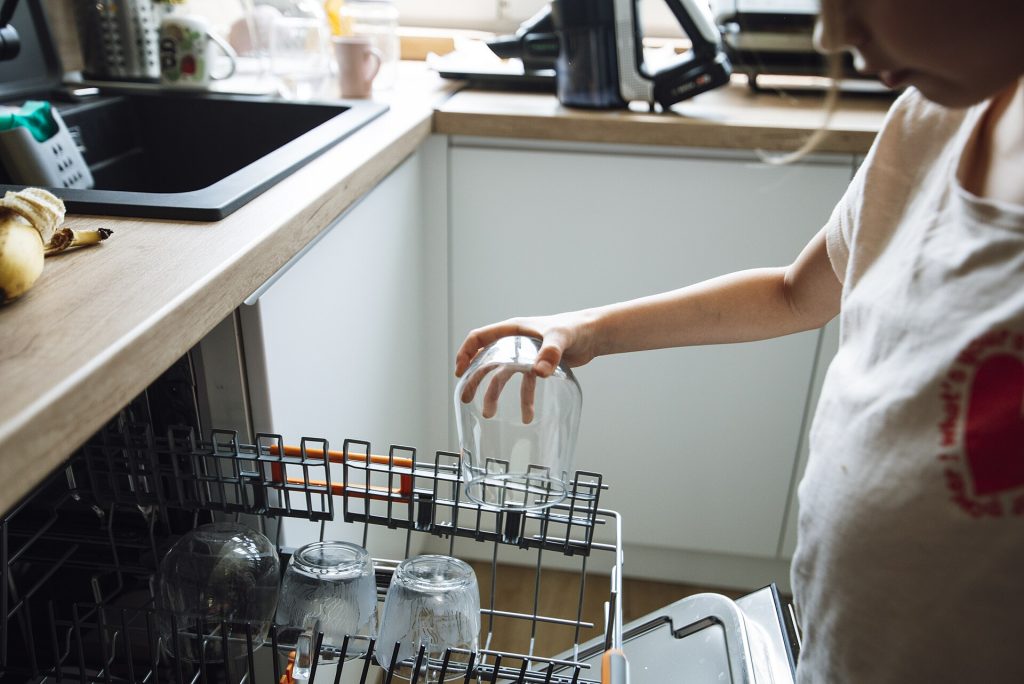
A dishwasher gets dishes clean, but clean and sanitized aren’t the same thing. For a home dishwasher to earn NSF/ANSI 184 sanitization certification, it must reach a final rinse of 150°F and achieve at least a 99.999% reduction in bacteria. NSF also notes that this performance is verified only when the unit runs on its sanitizing cycle.
- If your dishwasher has a sanitize setting, use it for cutting boards, baby bottles and anything that touched raw meat.
- Choose heated drying, as the USDA sponge study found a dishwasher cycle with drying very effective.
- Clean the filter regularly so food debris doesn’t recirculate.
- Don’t overload the racks; water needs to reach every surface.
FAQ
How often should I microwave my sponge?
There’s no official schedule, so make it a regular habit, such as every few days, and after wiping up raw meat juices. Always wet it first and make sure it contains no metal.
Is it safe to clean with vinegar?
Yes, for everyday cleaning. Just don’t rely on it to disinfect, and never mix it with bleach.
Which is better, a wood or plastic cutting board?
Either works if you keep one for raw meat, clean and sanitize after use, and replace boards with deep grooves.
Can I put a sponge in the dishwasher?
Yes. The USDA study found a dishwasher cycle with a drying cycle killed 99.9998% of bacteria in sponges.
A cleaner kitchen routine
Pick one habit to change this week: microwave the sponge, start a daily towel swap, or label one board for raw meat. Small routines stick. For more ideas, read our food safety basics and how to organize a small kitchen, or browse more lifestyle guides.
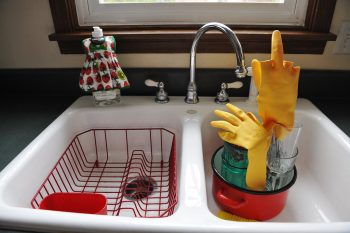
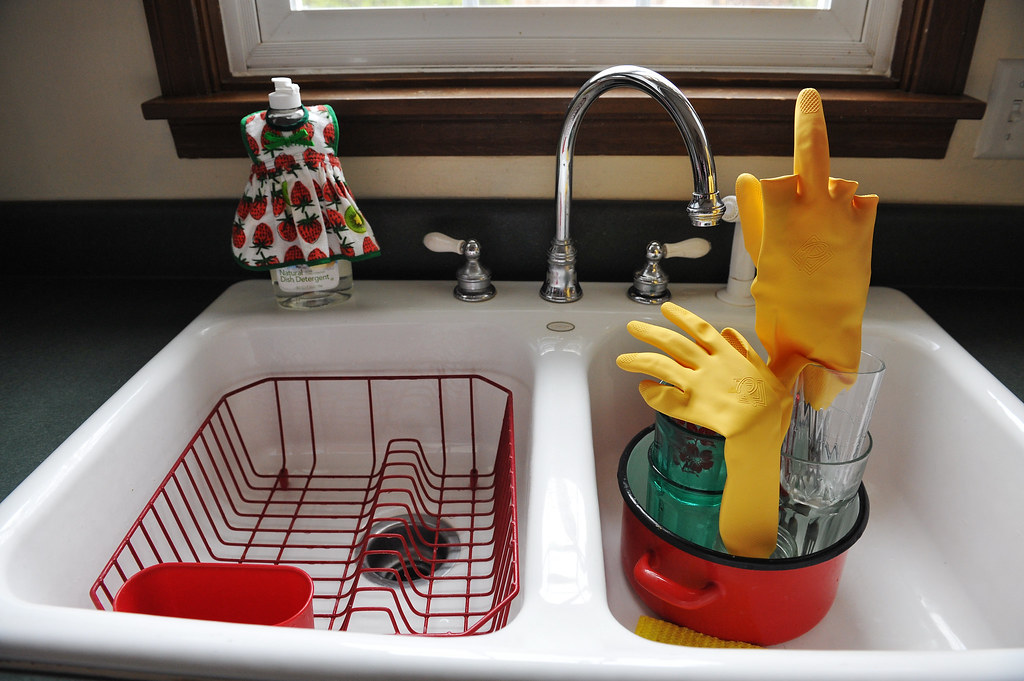
Featured photo: It’s my day off by Theresa Thompson, BY 2.0.