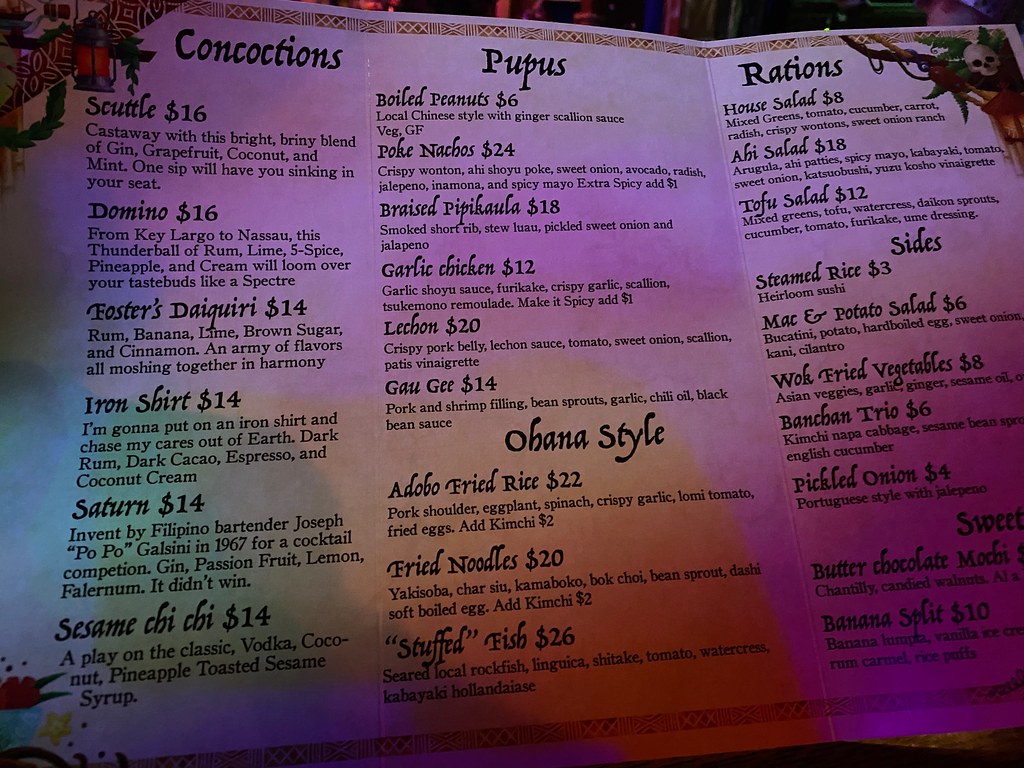
Dining atmosphere directly affects customer perception, dwell time, and repeat visits. Restaurants must control lighting, layout, acoustics, and air quality to create a consistent environment. Atmosphere is not decorative. It is a system of physical and sensory elements working together to support comfort and efficiency.
A well-designed environment reduces distractions while reinforcing brand identity.
Use Lighting to Define the Space
Lighting is one of the most influential factors in dining atmosphere. It controls visibility, mood, and spatial perception.
Restaurants typically combine multiple lighting types:
- Ambient lighting for general visibility
- Task lighting for tables and service areas
- Accent lighting to highlight architectural features
Overly bright lighting reduces comfort. Insufficient lighting affects usability. Balanced intensity ensures that customers can see clearly without strain.
Visual branding elements such as neon signs for windows can define the space while adding controlled illumination. These elements also improve visibility from outside, attracting foot traffic.
Lighting should remain consistent across service hours to avoid abrupt changes in perception.
Optimize Layout and Seating Arrangement
Layout determines how customers move through the space. Poor layout creates congestion, noise, and discomfort.
Key layout principles include:
- Maintaining clear pathways for staff and guests
- Spacing tables to balance privacy and capacity
- Positioning seating to avoid direct traffic flow
Table spacing affects both acoustics and comfort. Overcrowding increases noise levels and reduces privacy.
Efficient layouts improve service speed and reduce operational friction.
Control Noise and Acoustics
Noise levels directly affect dining comfort. Excessive noise reduces conversation clarity and shortens customer stay time.
Restaurants manage acoustics through:
- Soft materials that absorb sound
- Strategic placement of seating areas
- Controlled background music levels
Hard surfaces reflect sound and increase noise buildup. Adding textiles, upholstered seating, or acoustic panels reduces echo.
Balanced acoustics allow conversation without raising voice levels.
Maintain Air Quality and Ventilation
Air quality is a critical but often overlooked factor. Poor ventilation allows odors, smoke, and airborne particles to accumulate.
Restaurants implement air management systems to maintain clean indoor environments. Solutions from providers such as Zehnder help reduce airborne contaminants and improve circulation.
Effective air systems:
- Remove cooking-related particles
- Maintain consistent airflow
- Reduce odor concentration
Clean air improves comfort and supports longer dining durations.
Use Material Selection Strategically
Materials influence both appearance and functionality. Surfaces must withstand frequent cleaning while maintaining visual consistency.
Common material considerations include:
- Non-porous surfaces for easy sanitation
- Matte finishes to reduce glare
- Durable fabrics for seating areas
Material choices also affect acoustics and lighting reflection.
Consistent material selection reinforces brand identity while supporting maintenance requirements.
Create Visual Consistency
Visual consistency reduces cognitive load and improves perception of quality. Inconsistent design elements create distraction.
Restaurants maintain consistency through:
- Coordinated color palettes
- Repeated design patterns
- Uniform furniture styles
Color temperature in lighting should match the overall design scheme.
Consistency allows customers to focus on the dining experience rather than the environment.
Manage Temperature and Comfort
Thermal comfort affects how long customers remain in the space. Temperature fluctuations create discomfort and reduce satisfaction.
Restaurants must maintain:
- Stable indoor temperatures
- Balanced airflow across seating areas
- Avoidance of drafts near tables
Temperature control systems should operate consistently during service hours.
Comfortable environments support longer stays and increased engagement.
Incorporate Functional Decor
Decor elements should serve a purpose. Excess decoration increases clutter and reduces efficiency.
Functional decor includes:
- Lighting fixtures that define space
- Storage-integrated furniture
- Visual markers that guide movement
Each element should contribute to usability or atmosphere.
Decor should not interfere with service operations.
Align Atmosphere With Brand Identity
Atmosphere must reflect the restaurant’s concept. Casual dining, fine dining, and fast-service environments require different design approaches.
Alignment includes:
- Matching lighting intensity to service style
- Selecting materials appropriate to pricing level
- Designing layouts that support service speed
Inconsistent branding confuses customers and reduces perceived quality.
Clear alignment strengthens identity and improves customer expectations.
Maintain Consistency Through Operations
Atmosphere is not static. It must be maintained through daily operations.
This includes:
- Regular cleaning of visible surfaces
- Consistent lighting levels
- Monitoring noise and air quality
Operational consistency ensures that the environment remains stable across different service periods.
Without maintenance, atmosphere degrades quickly.
Restaurants create better dining atmospheres through controlled lighting, efficient layouts, and managed environmental conditions. Air quality, acoustics, and material selection all contribute to comfort and usability. Visual consistency and brand alignment reinforce perception, while operational discipline maintains standards. By treating atmosphere as a system rather than decoration, restaurants can deliver consistent and comfortable dining experiences.