Good freezer organization comes down to five habits: keep the freezer at 0°F, wrap food so air can’t get to it, label and date every package, group food into zones, and keep a simple inventory so nothing gets lost at the back. Do those and you’ll waste less, shop smarter and always know what’s for dinner.
Most freezers fail not because they’re too small, but because they turn into a jumble of unlabelled bags. You buy another pack of chicken thighs because you can’t see the two you already have. A mystery tub of soup sits there for a year.
This checklist takes you through setting up your freezer properly once, then keeping it that way with a few minutes a week. Tick off each section as you go.
Key takeaways
- Set your freezer to 0°F (−18°C); at that temperature, food stays safe indefinitely.
- FoodSafety.gov storage times are about quality, not safety, so use them to decide what to eat first.
- Label every package with what it is, how much, and the date it went in.
- Zones and bins, plus a running inventory, stop food getting lost at the back.
- Thaw in the fridge, in cold water or in the microwave, never on the counter.
Check the temperature first
Everything else depends on temperature. The FDA refrigerator and freezer storage chart sets the targets at 40°F (4°C) for the fridge and 0°F (−18°C) for the freezer, and says freezing at 0°F keeps food safe indefinitely. Many freezer dials don’t show a temperature at all, so a cheap appliance thermometer is worth having.
- ☐ Place an appliance thermometer in the middle of the freezer.
- ☐ Check it after 24 hours and adjust the dial if it reads above 0°F.
- ☐ Keep the door seal clean and check it closes tightly.
- ☐ Check the fridge is at 40°F or below while you’re at it.
A well-stocked freezer also helps in an emergency. According to FoodSafety.gov, a full freezer holds a safe temperature for about 48 hours in a power cut with the door kept closed, and a half-full one for about 24 hours.
Package it to last
Air is what makes frozen food dry, tough and discoloured. Wrap well and you’ll get the full storage life out of everything.
- ☐ Squeeze the air out of freezer bags before sealing.
- ☐ Freeze soups, stocks and sauces flat in bags, then stand them upright like files once solid.
- ☐ Leave a little headspace in rigid containers for liquids to expand.
- ☐ Overwrap meat and poultry you plan to keep for more than two months.
- ☐ Portion food into meal-sized packs before freezing.
That overwrap tip comes from the FDA chart, which suggests airtight heavy-duty foil, plastic wrap or freezer paper, or putting the package inside a plastic bag. Store trays aren’t designed for long freezer stays.
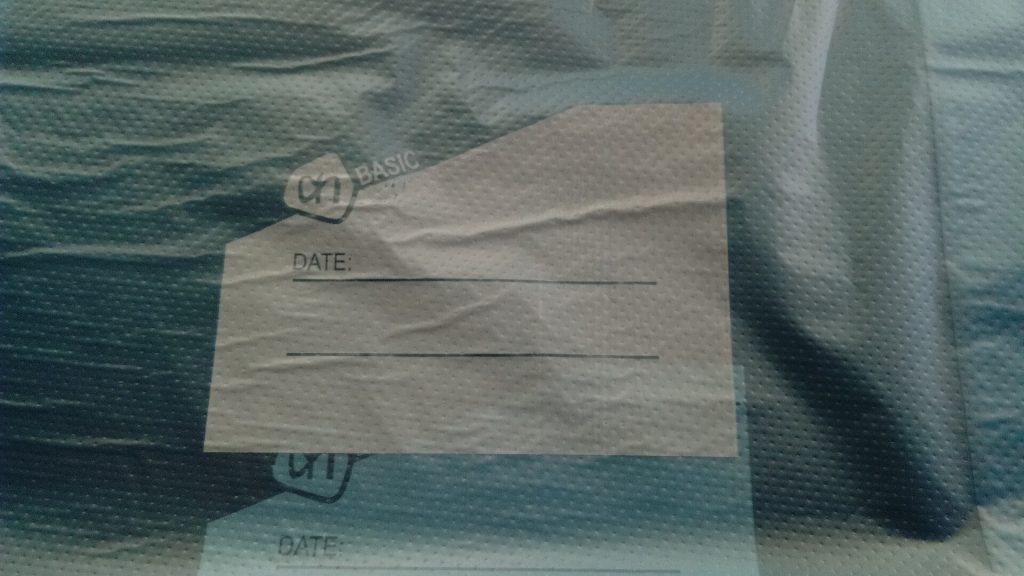
Label and date everything
If you only adopt one habit from this list, make it this one. Frozen food looks remarkably similar after a few weeks, and a date is the only way to know what to eat first.
- ☐ Keep a permanent marker and masking tape or freezer labels in a drawer near the freezer.
- ☐ Write the name of the food, not just “chicken” but “chicken thighs, marinated”.
- ☐ Add the quantity or number of portions.
- ☐ Write the date it went in.
- ☐ For cooked dishes, add any reheating notes.
A freezer without labels is just a cold cupboard full of guesses.
Know your freezer storage times
The FoodSafety.gov cold food storage chart lists how long foods keep their best quality at 0°F. It’s clear that food stored continuously at 0°F or below can be kept indefinitely; the times are about taste and texture. Use them to decide what to cook next, not what to throw away.
| Food | Freezer time for best quality |
|---|---|
| Bacon | 1 month |
| Hot dogs, lunch meat | 1–2 months |
| Pizza | 1–2 months |
| Soups and stews | 2–3 months |
| Cooked meat or poultry | 2–6 months |
| Ground meat | 3–4 months |
| Steaks, chops, roasts | 4–12 months |
| Chicken or turkey pieces | 9 months |
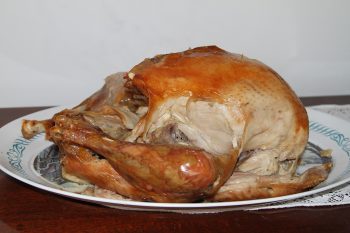
| Whole chicken or turkey | 1 year |
| Fatty fish | 2–3 months |
| Lean fish | 4–8 months |
A few things don’t freeze well at all. The chart says prepared salads don’t freeze well, and hard-cooked eggs shouldn’t be frozen.
Set up bins and zones
Zones mean you always know where to look. Assign each shelf or drawer a job and stick to it.
- ☐ Raw meat and fish on the bottom shelf or in the lowest drawer, in a bin.
- ☐ Cooked meals and leftovers at eye level, where you’ll see them.
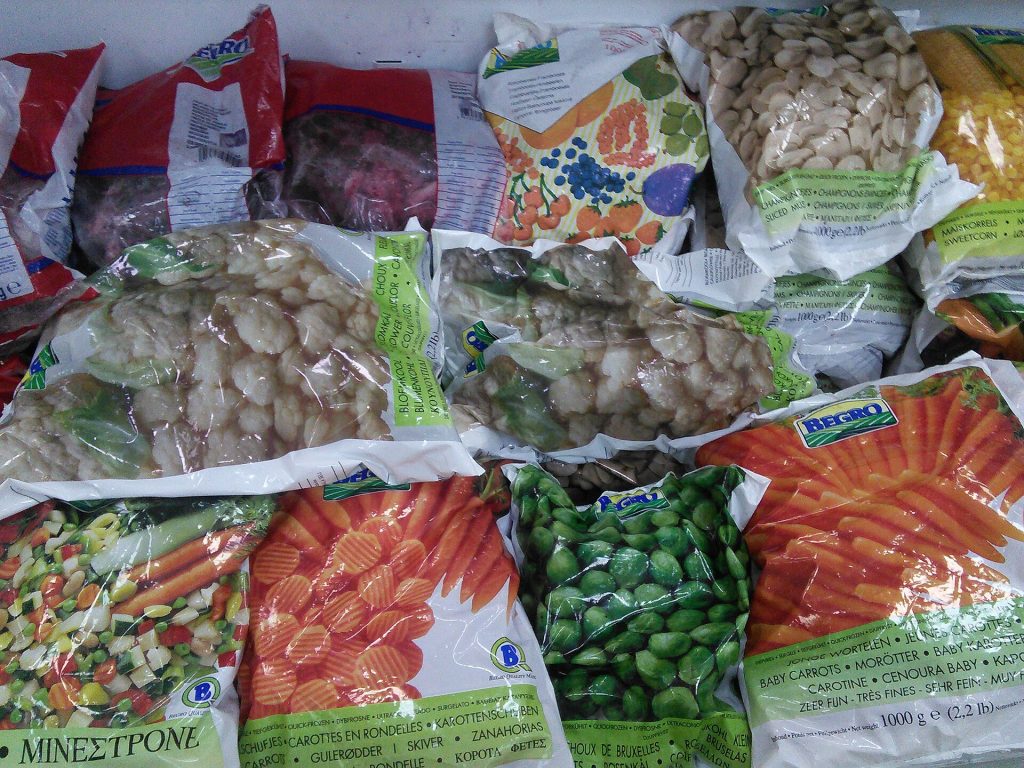
- ☐ Vegetables and fruit together in one drawer or bin.
- ☐ Bread and baking in their own spot.
- ☐ An “eat first” bin at the front for anything nearing the end of its best-quality window.
Clear or labelled bins make it easy to pull out a whole category at once. In a chest freezer, stack baskets by category and keep a map on the lid.
Looking for the right containers or bins? Our kitchen gear guides cover storage that earns its space.
Keep a running inventory
An inventory takes a few minutes to set up and saves you from buying what you already own.
- ☐ Tape a sheet of paper to the freezer door, or keep a note on your phone.
- ☐ List each item with its date and quantity.
- ☐ Cross items off as you use them.
- ☐ Check the list before writing your shopping list.
- ☐ Plan at least one meal a week around the “eat first” bin.
If you batch-cook, the inventory is where the payoff shows. Our meal prep guide pairs well with a freezer you can actually read.
Thaw safely, defrost and clean
Thaw the safe way
Clemson University’s Home & Garden Information Center lists three safe thawing methods: in the refrigerator, in cold water or in the microwave. In the fridge, five pounds of food can thaw in about 24 hours, while a whole turkey can take up to four days. For cold water, keep food in leak-proof packaging and change the water every 30 minutes. Food thawed in cold water or the microwave should be cooked straight away.
- ☐ Move tomorrow’s dinner from freezer to fridge tonight.
- ☐ Never thaw on the counter, in hot water or in the dishwasher.
- ☐ Cook small items straight from frozen when it suits the recipe.
Defrost and clean
- ☐ Every few months, empty the freezer into a cooler.
- ☐ Defrost a manual-defrost freezer when frost builds up, following your manual.
- ☐ Wipe shelves and bins with warm soapy water, then dry.
- ☐ Throw out anything unlabelled you can’t identify.
- ☐ Reload by zone, oldest items at the front.
FAQ
What temperature should my freezer be?
0°F (−18°C) or below. At that temperature, the FDA says food stays safe indefinitely.
Is food past its freezer time unsafe?
Not if it has been kept at 0°F continuously. The FoodSafety.gov times are for quality, so older food may be drier or less flavourful.
Can I refreeze thawed food?
After a power cut, FoodSafety.gov says food that still has ice crystals or is at 40°F or below can be refrozen, though quality may suffer.
How full should a freezer be?
Fuller is better in an outage: a full freezer holds temperature for about 48 hours, a half-full one about 24.
Start with one shelf this weekend
Don’t try to fix the whole freezer at once. This weekend, empty one shelf, label what’s there, put it back by zone and start your inventory sheet. Do another shelf next week. For more kitchen routines that save time, see our kitchen organization tips, and browse the rest of our lifestyle guides.
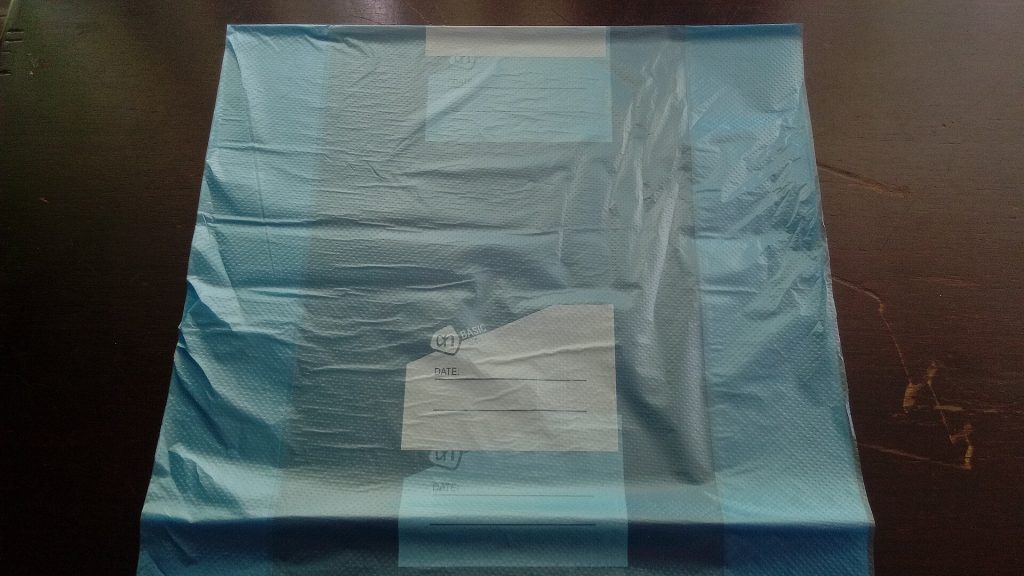
Featured photo: AH Basic large freezer bag, Oude Pekela (2019) 03 by Donald Trung Quoc Don (Chữ Hán: 徵國單) – Wikimedia Commons – © CC BY-SA 4.0 Intern, BY-SA 4.0.