
In the past decade, sustainability has become more than just a buzzword for the restaurant industry—it’s a strategic imperative. As environmental regulations tighten and consumers increasingly demand greener practices, restaurants of all sizes are re-evaluating their operational choices. One of the most significant shifts has been the transition from traditional plastic tableware to biodegradable and compostable alternatives. But what exactly is driving this wave of change? Let’s break down the key factors behind the rise of eco-friendly tableware, especially bagasse food containers and compostable cutlery, and why this trend is here to stay.
1. Food Safety and Customer Confidence
Consumer health and food safety are always top priorities in foodservice. Traditional plastic containers can sometimes leach harmful chemicals, especially when exposed to heat or acidic foods. By contrast, biodegradable tableware made from natural fibers like bagasse (the fibrous byproduct of sugarcane processing) is free from BPA, PFAS, and other toxins. These products are designed to be food-safe and undergo rigorous quality testing. With bagasse food containers, restaurants can offer both dine-in and takeaway options without worrying about contamination or negative health impacts.
Moreover, as diners become more health-conscious and ingredient-aware, the packaging their food comes in is scrutinized as much as the menu itself. By communicating the use of safe, plant-based materials, restaurants can increase trust and reinforce their commitment to customer well-being.
2. Environmental Impact and Brand Reputation
The environmental case for switching to compostable tableware is undeniable. The foodservice sector is a major contributor to single-use plastic waste. Every year, billions of plastic utensils and containers end up in landfills or, worse, in the world’s oceans. In response, local governments and global organizations are rolling out bans or taxes on plastic disposables.
Biodegradable alternatives such as compostable cutlery and bagasse containers break down naturally, reducing landfill burden and environmental harm. Bagasse decomposes within a few months under industrial composting conditions, returning nutrients to the earth. This swift breakdown—compared to hundreds of years for plastics—not only helps restaurants comply with evolving regulations but also significantly enhances their green credentials.
In an age where online reviews and social media can make or break a restaurant’s reputation, sustainable practices have become a marketing asset. Diners are more likely to return to, and recommend, establishments that actively minimize their environmental footprint.
3. Practical Performance: Strength and Comfort
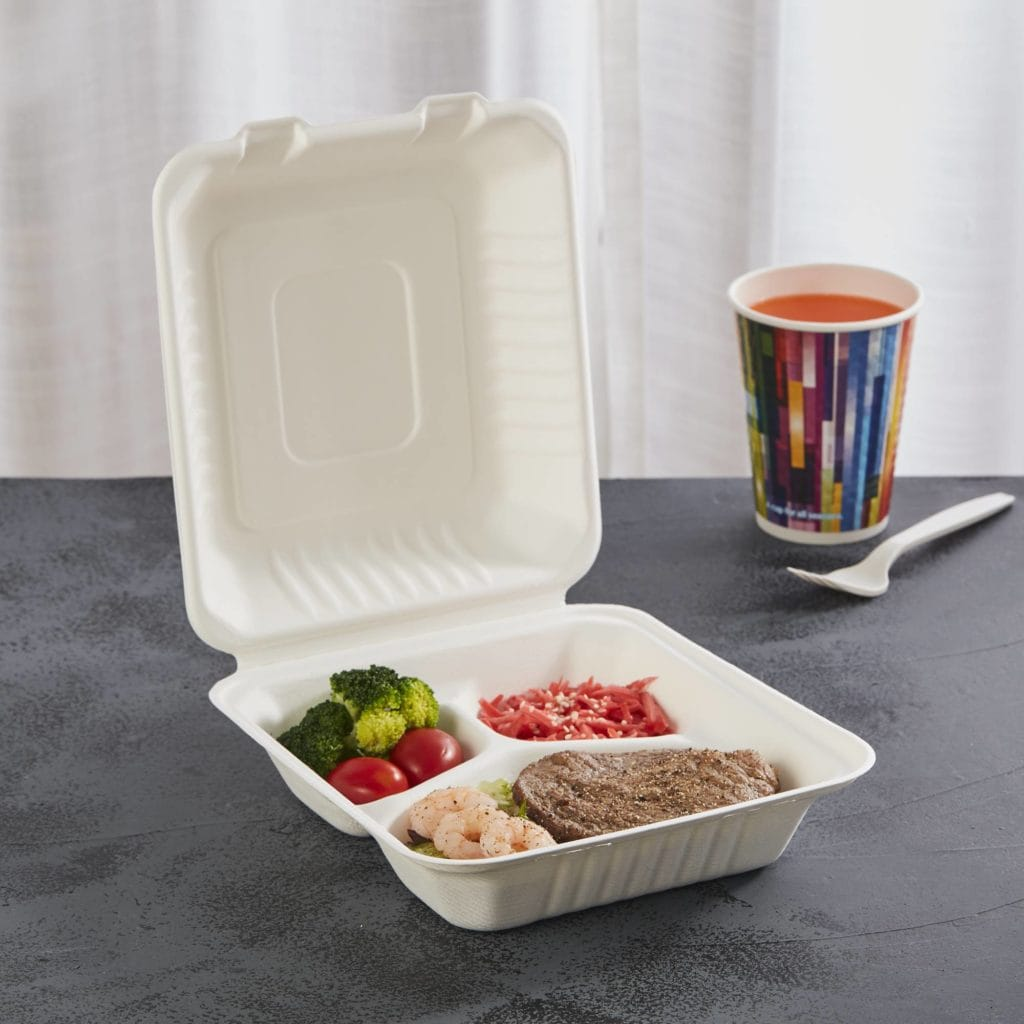
Some operators worry that “green” tableware is less practical or robust. The reality is quite the opposite. Modern bagasse food containers are strong, leak-resistant, and suitable for both hot and cold dishes. They hold up well with sauces, soups, and even greasy foods, making them versatile for everything from gourmet meals to quick-service menus.
Likewise, compostable cutlery—often made from cornstarch, CPLA, or blended plant materials—now rivals or exceeds traditional plastics in durability and comfort. Many of today’s options are ergonomically designed to ensure a pleasant dining experience. For fast-paced environments or delivery-focused businesses, these products reduce the risk of breakage and customer dissatisfaction.
4. Takeout and Delivery: The New Normal
The global pandemic accelerated a shift towards takeout and food delivery, trends that show no sign of abating. With more meals consumed outside of restaurant premises, the role of packaging has expanded. Customers expect their food to arrive fresh, secure, and sustainably packed.
Bagasse containers retain heat well without trapping excess moisture, helping to preserve food quality during transport. Compostable cutlery is lightweight, hygienic, and presents well in branded packaging. By offering eco-friendly packaging, restaurants demonstrate both professionalism and an understanding of modern consumer values.
5. Regulatory Compliance and Future-Proofing
Cities and countries worldwide are introducing strict rules around packaging waste. Many U.S. states have already outlawed certain single-use plastics, with more following suit each year. By proactively adopting compostable solutions, restaurants not only avoid costly fines and last-minute operational changes but also position themselves as forward-thinking industry leaders.
6. Customer Demand and Market Differentiation
Today’s diners, especially Millennials and Gen Z, are keenly aware of their ecological footprint. According to recent surveys, a majority of consumers are willing to pay more for food packaged in sustainable materials. By integrating products like bagasse food containers and compostable cutlery into their service, restaurants signal their alignment with evolving values and stand out in a crowded market.
Conclusion
The restaurant industry is undergoing a sustainability transformation, and eco-friendly tableware is at the forefront of this evolution. By prioritizing food safety, environmental responsibility, comfort, and compliance, restaurants can meet new standards and exceed customer expectations. The adoption of bagasse food containers and compostable cutlery is not just a response to trends—it’s a strategic move that builds brand equity and future-proofs operations in a competitive landscape.