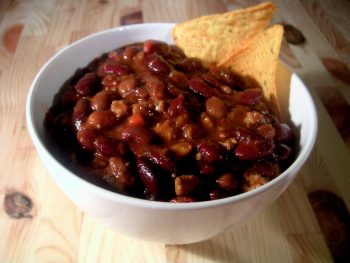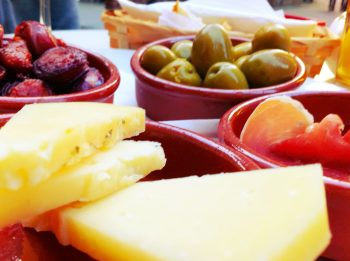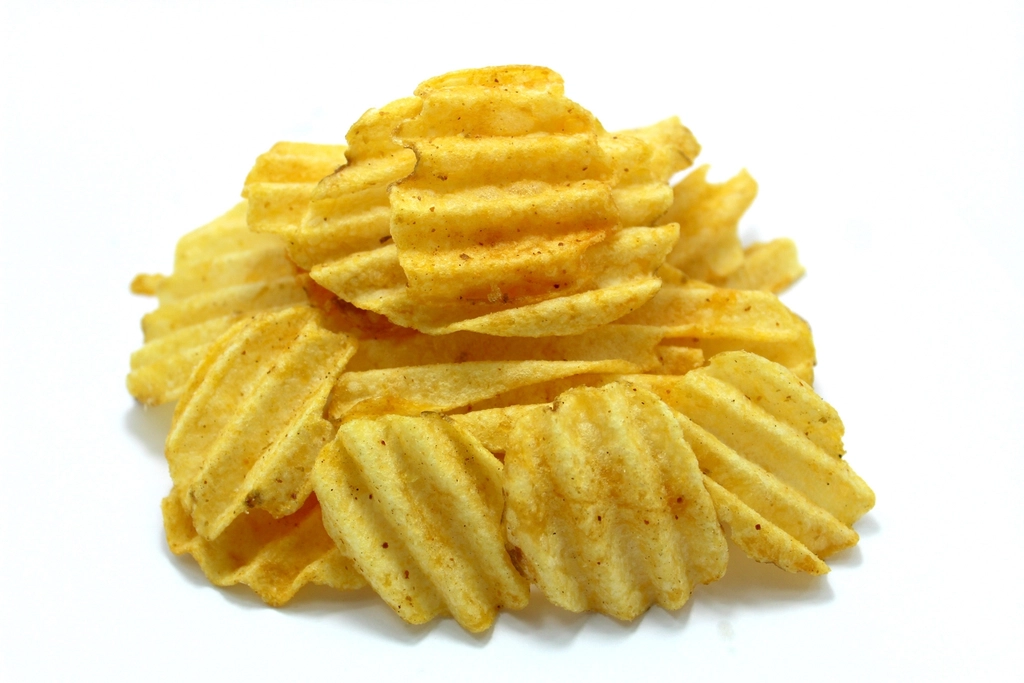
Food is one of the greatest joys of being human. Some meals are elaborate, carefully prepared experiences designed to showcase culinary artistry, while others are quick bites that satisfy a craving in the moment. Fine dining has its place, but so does the bag of chips tucked away in your pantry or the snack food hamper you keep stocked for when the mood strikes. Sometimes, it is perfectly fine to admit that a simple snack can feel just as meaningful as a multi-course feast.
This article explores why humans are wired to crave snacks, how modern life has embraced “snackification,” and why personal preference matters more than culinary dogma when it comes to eating.
Wired for Delight and Deeply Rooted Comfort: The Science and Emotion Behind Snack Cravings
At its core, eating is about survival. But anyone who has ever opened a box of cookies at midnight knows that food is rarely just about calories and nutrients. The human brain is designed to take pleasure in eating, which explains why snack cravings feel so irresistible.
The Brain’s Reward System
When we eat something tasty, our brains release dopamine, a chemical messenger often called the “feel-good hormone.” Dopamine activates the reward pathways in the brain, creating feelings of happiness, calmness, motivation, and focus. Specific brain regions known as “hedonic hotspots” heighten the joy of palatable tastes such as fats, sugars, and salts. That is why certain foods feel nearly impossible to resist.
Modern snack foods are often engineered to amplify this effect. Food scientists design “hyper-palatable” products that combine sweetness, saltiness, and richness in ways that maximize enjoyment and encourage repeat consumption. That perfectly balanced bite of a cheesy cracker or chocolate-covered pretzel is no accident. It is the result of careful formulation meant to tap directly into the brain’s reward system.
The Comfort of Nostalgia
Snack cravings are not only physiological. They are also deeply emotional. Food often serves as a bridge to memory, transporting us back to meaningful moments in our past. The taste of popcorn might remind someone of movie nights with family, while a certain brand of cookies might bring back memories of school lunchboxes.
Psychologists note that nostalgia tied to food is especially powerful because of how closely taste and smell are linked to the brain’s memory centers. That explains why a familiar snack can feel like a form of comfort. These associations are not always tied to nutrition but rather to emotional security, joy, or even celebration. Learn more about the food–memory connection.
For many, childhood rewards were food-based. Ice cream after a good report card or candy after a sports game may have created a lifelong association between “junk food” and accomplishment. As adults, reaching for the same items can rekindle those warm feelings of being cared for and rewarded.
Mood and Eating Choices
Food is also an emotional ally in less joyful times. Studies show that stress, sadness, and even boredom can shift our eating patterns. People under stress often lean toward sweets and alcohol, while boredom tends to increase overall food intake. In such cases, the act of eating serves less as fuel for the body and more as a soothing ritual for the mind.
This interplay between physiology and psychology shows that snack cravings are not simply about lack of willpower. They are a natural part of being human.
Snackification Nation: How Everyday Bites Reshape Modern Eating Habits
If it feels like everyone around you is snacking more than ever, you are not imagining it. Snacking has become a defining feature of modern eating, transforming from a guilty pleasure into a central part of daily life.
Snacking as a Main Event
Recent studies reveal that over half of U.S. consumers snack at least once a day, with one in four reporting multiple snacking occasions daily. For many, these moments are not just “extras” between meals but essential eating events that sometimes replace traditional meals altogether. Opening a snack food hamper stocked with chips, crackers, or granola bars has become just as common as sitting down for lunch.
This shift reflects broader lifestyle changes. Long commutes, busy workdays, and on-the-go schedules make it difficult for people to sit down for three structured meals. Snacks, by contrast, offer quick, portable solutions that fit seamlessly into modern life.
Why We Snack
People reach for snacks for many reasons, and hunger is only part of the story. Snacks can provide sustained energy, help manage hydration, or fit into a balanced diet when chosen thoughtfully. They can also offer indulgence, reward, and comfort in small, manageable doses.
Convenience is another driving factor. Pre-packaged snacks require little to no preparation, making them easy to grab during a hectic day. At the same time, the snack industry has expanded in variety, offering everything from protein-packed bars to exotic chips with bold flavors. This diversity makes snacks appealing not only for practicality but also for excitement and fun. See examples of curated snack hampers.
Health and Wellness in Snacking
The narrative around snacking has also evolved. In the past, snacks were often portrayed as unhealthy indulgences. Today, many consumers see them as compatible with wellness goals. A handful of almonds, a smoothie, or a yogurt cup can serve as a nutritious mini-meal that supports balanced eating.
For some, frequent smaller meals throughout the day help manage calorie intake and avoid the energy crashes that come with large meals. As such, snacking has become a tool for both indulgence and health management, reflecting how flexible eating habits have become in the 21st century.
Don’t Yuck My Yum: Prioritising Personal Pleasure Over Culinary Dogma
Food is a deeply personal experience, yet it is often subject to criticism. From online debates about pineapple on pizza to heated arguments over how steak should be cooked, people can be quick to judge others’ food preferences. But taste is subjective, and one person’s “yum” should not be dismissed as another’s “yuck.”
The Problem with Food Elitism
Culinary elitism often shows up in subtle ways. Someone might scoff at adding ketchup to eggs or insist that “real” pasta can only be enjoyed in a specific region of Italy. While such opinions may stem from cultural pride or personal taste, they can make others feel judged or inferior.
The truth is that food is meant to be enjoyed, not policed. If someone finds joy in putting A1 sauce on steak or pairing potato chips with a sandwich, that joy deserves respect. What matters is the pleasure and comfort the eater experiences, not whether it conforms to someone else’s standard.
Fine Dining vs. Casual Comfort
Fine dining offers its own kind of beauty. With elegant ambiance, intricate dishes, attentive service, and sometimes a strict dress code, it can feel like a special event. But casual comfort food carries equal value. It is familiar, accessible, and often wrapped in emotional meaning.
Choosing between the two depends on personal preference and context. A candlelit anniversary dinner might call for fine dining, while a movie night with friends feels incomplete without a pile of snacks. Both experiences hold value, and neither should be seen as superior.
The Importance of Vitamin P: Pleasure
Nutritionists increasingly emphasize the role of pleasure in eating, sometimes called “vitamin P.” Experiencing joy from food supports digestion, reduces stress, and improves one’s overall relationship with eating. For those recovering from disordered eating, allowing themselves to enjoy previously forbidden foods can help cultivate peace and freedom around meals.
Of course, balance is important. Comfort foods provide short-term mood boosts, but they can also carry feelings of guilt if someone believes they are nutritionally inferior. The key is shifting focus from guilt to gratitude. A snack that evokes joy, nostalgia, or connection should be seen as nourishment for both body and soul.
When Snacks Win, Let Them
In a world filled with food options, there is no single right way to eat. Science shows that humans are wired to crave snacks, culture has normalized snacking as a central eating occasion, and psychology reminds us that comfort foods serve important emotional needs.
Sometimes fine dining is exactly what we want, with its artistry and formality. Other times, opening some snacks and indulging in a handful of familiar treats feels just as satisfying. Both choices are valid, and both enrich our relationship with food.
So the next time someone raises an eyebrow at your choice of chips over caviar, remember: food is personal, and pleasure is an essential nutrient. Embrace what makes you happy, respect others’ tastes, and enjoy the full spectrum of eating experiences life has to offer.