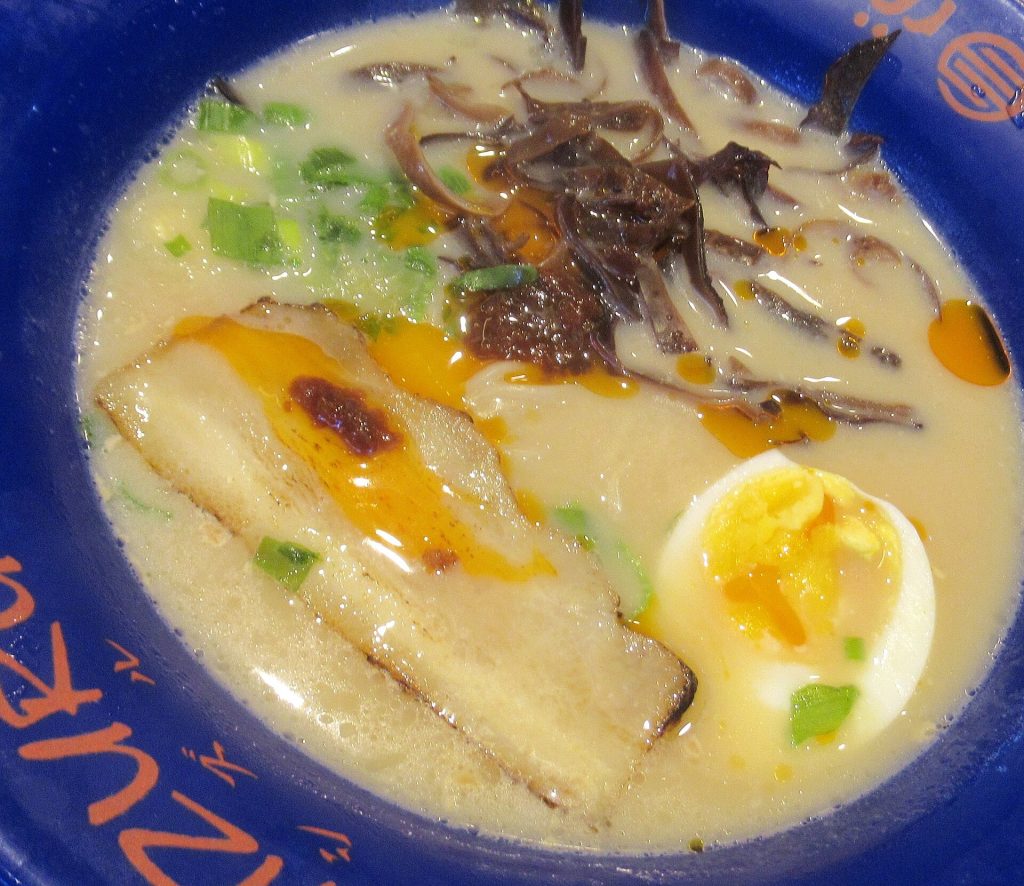
Sushi is the reason many people book a flight, but it’s only a slice of what to eat in Tokyo. For a first trip, work through five things: a bowl of ramen, freshly fried tempura, a thick tonkatsu cutlet, smoky yakitori skewers, and a slow wander through a depachika, the food hall under a department store. Add a morning at Tsukiji Outer Market and you’ve covered the city’s everyday food culture in a few days.
Each section below names a specific place that is open now, where it is, and what to order, so you can cook up your own itinerary instead of guessing. We’ve leaned on the city’s official tourism guide, GO TOKYO, and each restaurant’s own website.
If you cook at home, you’ll come back with ideas too. Most of these dishes are surprisingly doable in a home kitchen once you’ve tasted the real thing.
Key takeaways
- Tokyo Ramen Street, in the basement of Tokyo Station, gathers ten permanent ramen shops in one corridor.
- Tempura Shinjuku Tsunahachi has served tempura since 1923; its main shop is a short walk from Shinjuku-sanchome Station.
- Tonkatsu Maisen’s main shop sits in the Jingumae backstreets near Omotesando Station.
- Omoide Yokocho, two minutes from Shinjuku Station, is a narrow lane of tiny yakitori counters, and it’s cash only.
- Tsukiji Outer Market closes on Wednesdays, Sundays and national holidays; go between 9:00 and 13:00.
Tokyo beyond sushi at a glance
Group these by area and you can fit two or three into a day without much travel.
| Food | Where | Area | Order this |
|---|---|---|---|
| Ramen | Tokyo Ramen Street | Tokyo Station, basement level | Pick the shop with the broth style you love |
| Tempura | Tempura Shinjuku Tsunahachi (main shop) | Shinjuku 3-chome | A tempura set with shrimp |
| Tonkatsu | Tonkatsu Maisen Aoyama main shop | Jingumae, near Omotesando | A pork cutlet set with rice, cabbage and miso soup |
| Yakitori | Omoide Yokocho | Nishi-Shinjuku | Chicken skewers and a cold beer |
| Depachika | Isetan Shinjuku, Nihombashi Mitsukoshi, Daimaru Tokyo | Shinjuku, Nihombashi, Tokyo Station | A bento and something sweet |
| Market breakfast | Tsukiji Outer Market | Tsukiji, Chuo City | Tamagoyaki and a seafood rice bowl |
Ramen: start at Tokyo Station
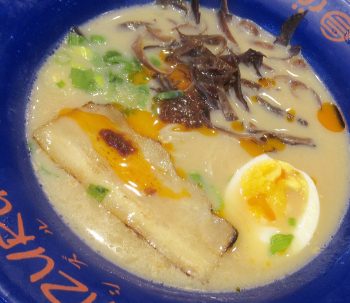
The GO TOKYO ramen guide breaks the city’s bowls into four main broth families: shio (salt), shoyu (soy sauce), miso and tonkotsu (pork bone). Tokyo has room for every regional style, so the fun is tasting across them rather than hunting for one “best” bowl.
The easiest place to start is Tokyo Ramen Street, a corridor on the first basement floor of the First Avenue Tokyo Station complex. It currently lists ten permanent shops, including Rokurinsha, Tokyoeki Ikaruga and a shio ramen specialist, plus a rotating limited-time slot. You can compare styles without leaving the station.
How ordering works
- Use the ticket machine. Many shops have a button-covered vending machine by the door. Buttons are often in Japanese, but GO TOKYO notes they usually carry pictures and prices.
- Bring cash. The machines generally take cash.
- Slurp. It’s considered the correct way to eat ramen, and it cools the noodles.
- Don’t linger. Ramen counters rely on quick turnover, so eat and free the seat.
Tempura in Shinjuku
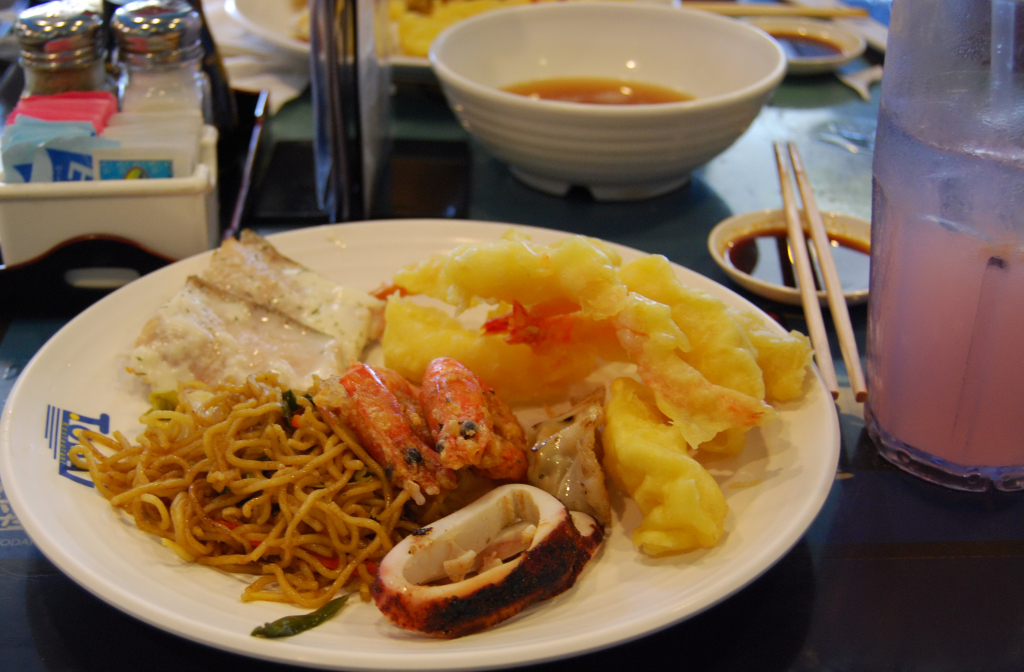
Tempura in Tokyo is a revelation if you’ve only had it heavy and greasy. At Tempura Shinjuku Tsunahachi, the main shop at 3-31-8 Shinjuku is about three minutes on foot from Shinjuku-sanchome Station. The business dates to 1923, and the Shinjuku shop opened in 1964. The restaurant says its second-generation owner lived by a simple order of priorities: ingredients first, then oil, then skill.
Order a set with shrimp and seasonal vegetables and eat each piece as soon as it lands; tempura waits for no one. The shop is open daily except over the New Year holidays.
Tokyo teaches you that fried food can be delicate. It just has to be eaten the moment it leaves the oil.
Tonkatsu in Omotesando
Tonkatsu is a panko-crumbed pork cutlet, fried until the crust shatters, and Tonkatsu Maisen has built its name on it since 1965. Its Aoyama main shop is at 4-8-5 Jingumae in Shibuya, tucked into the backstreets a few minutes from Omotesando Station. Part of the building was once a sento, a public bathhouse.
Order a set: the cutlet arrives with rice, a heap of shredded cabbage, pickles and miso soup. The restaurant is known for pork tender enough to cut with chopsticks. Maisen is also known for its katsu sandwich, a cutlet between soft white bread, which makes a good train snack.
Yakitori at Omoide Yokocho
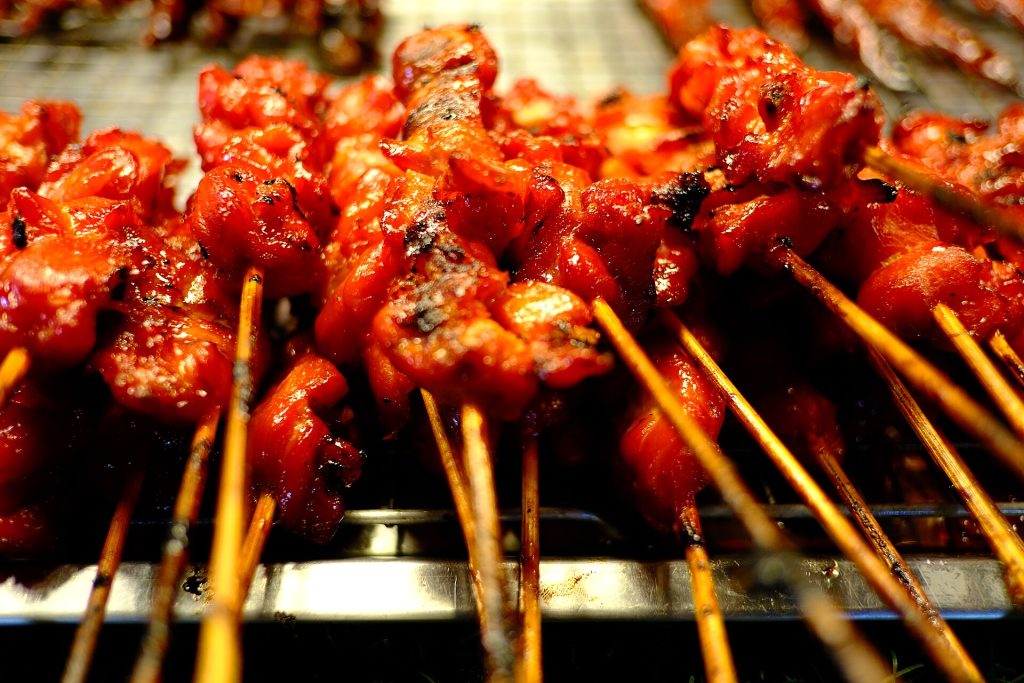
For the most atmospheric meal of the trip, head to Omoide Yokocho in Nishi-Shinjuku, about two minutes on foot from Shinjuku Station. GO TOKYO describes a lane so narrow it barely fits two people across, lit by red lanterns and filled with smoky stalls, many seating only five or six people.
Yakitori, grilled chicken skewers, is the thing to eat, with a cold beer on the side. Squeeze onto a stool, point at what the person next to you is having, and let the cook guide you. Bring cash, because it’s cash only, and go with patience rather than a big group.
Depachika: the department store food halls
Depachika are the food floors in the basements of department stores, and they’re a home cook’s playground. According to the Japan National Tourism Organization, they stock everything from delicatessen dishes to gourmet treats and are often connected to train stations.
- Isetan Shinjuku Store, one of the city’s most popular, with groceries, prepared food, sweets and drinks.
- Nihombashi Mitsukoshi Main Store, strong on deli dishes, bento, sweets and alcohol.
- Daimaru Tokyo, next to Tokyo Station and focused on bento and gift sweets for travellers.
- Matsuya Ginza, with a wide range of bento, including tempura and unagi.
JNTO suggests avoiding peak lunch and dinner hours and looking out for free samples. Buy a bento for the train and something beautifully wrapped to take home.
Tsukiji Outer Market for breakfast
The wholesale fish market moved to Toyosu in 2018, but the Tsukiji Outer Market next door kept going. GO TOKYO puts it at around 460 shops selling food and kitchen supplies, a one-minute walk from Tsukiji Station and within walking distance of Ginza. Go between 9:00 and 13:00, when it’s liveliest. It closes on Wednesdays, Sundays and national holidays, and most shops are cash only.
Try tamagoyaki, the sweet rolled omelette, and a seafood rice bowl. The market’s own visitor guidelines ask you to eat inside shops or in designated eating spaces rather than while walking, not to touch the goods, and to ask before taking photos. It’s also a great place to buy a Japanese knife or kitchen tools, and our guide to choosing a kitchen knife will help you pick one.
FAQ
What should I eat in Tokyo besides sushi?
Start with ramen, tempura, tonkatsu and yakitori, then spend an hour in a depachika. Those five cover a huge range of Tokyo’s everyday eating.
Do I need cash for Tokyo food spots?
Often, yes. Ramen ticket machines generally take cash, and both Omoide Yokocho and most Tsukiji Outer Market shops are cash only.
When is Tsukiji Outer Market closed?
On Wednesdays, Sundays and national holidays. Most shops close before evening, so mornings are best.
Is it rude to slurp ramen?
No. GO TOKYO says slurping is considered the correct way to eat ramen.
Plan your first food day
Build your first day around geography: Tsukiji in the morning, a depachika bento for lunch, tempura or yakitori in Shinjuku at night. Then come home and try recreating a favourite. Our homemade ramen guide is a good start, and there are more trip ideas in our food travel section. For eating out closer to home, try the restaurant directory.
Featured photo: Umami Tonkotsu ramen bowlB by Wikimedia Commons contributor, BY-SA 4.0.