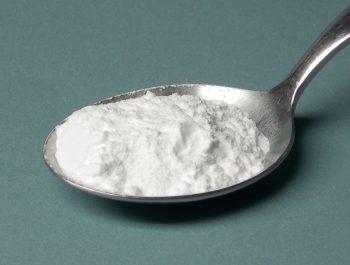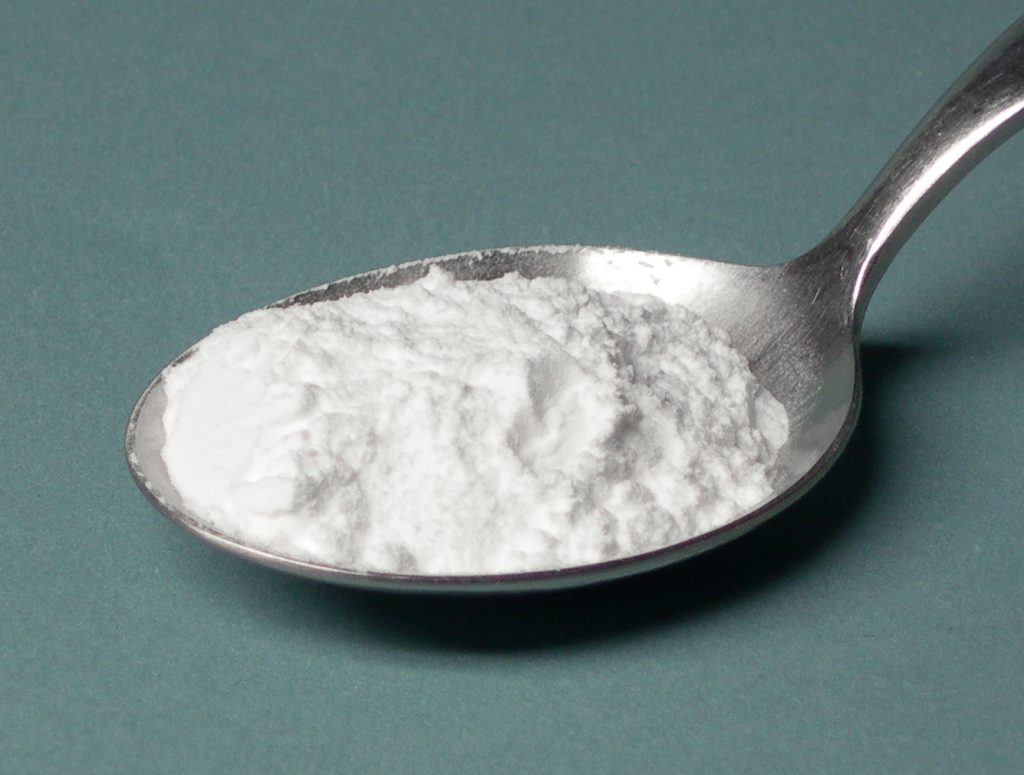
The short answer on baking soda vs baking powder: baking soda is a pure base that needs an acid in the recipe, like buttermilk, yogurt or brown sugar, to make it rise. Baking powder already contains baking soda plus its own acid, so it only needs moisture and heat. Use soda when the batter is acidic, powder when it isn’t, and both when you need extra lift.
That one difference explains why they aren’t interchangeable, why some recipes call for both, and why cookies made with one or the other can look and taste so different.
Here’s the science without the jargon, a side-by-side comparison, substitution ratios from university extension sources, and a 30-second test to find out if the tins in your cupboard still work.
Key takeaways
- Baking soda is sodium bicarbonate, a base; it needs an acid in the batter to produce carbon dioxide.
- Baking powder is baking soda plus an acid and a filler such as cornstarch, so it works on its own.
- Double-acting baking powder releases gas once when mixed and again in the oven.
- Too much soda leaves a bitter or soapy taste; too much powder can cause bitterness, large bubbles and a blistered surface.
- Test freshness with hot water (powder) or vinegar (soda). No fizz means replace it.
The chemistry in plain terms
Both ingredients are chemical leaveners. They make batters rise by releasing carbon dioxide bubbles, which expand in the heat of the oven before the crumb sets around them.
Baking soda: the base
As Illinois Extension explains, baking soda is sodium bicarbonate, a base on the pH scale. It needs an acid to react, such as vinegar, buttermilk, brown sugar, yogurt or lemon juice. Natural cocoa, honey and molasses also bring acidity to a recipe. The moment soda meets that acid in a wet batter, bubbles start to form.
Soda can also release a small amount of gas from heat alone, but that route tends to leave a bitter flavor behind. That’s why recipes pair it with an acid rather than relying on the oven to do the work.
Baking powder: base plus acid
Baking powder is a complete kit. According to the American Society of Baking, it contains a bicarbonate, a leavening acid and a filler such as cornstarch. The filler keeps the two active ingredients dry and apart in the tin until you add liquid.
Most baking powder sold for home kitchens is double-acting. It carries a mix of acids: one reacts as soon as it gets wet, and a slower one kicks in when the batter heats up. That second burst is why a muffin batter can sit for a few minutes and still rise well.
Baking soda vs baking powder at a glance
| Baking soda | Baking powder | |
|---|---|---|
| What it is | Sodium bicarbonate | Baking soda + acid(s) + cornstarch |
| Needs an acid in the recipe | Yes | No |
| When it reacts | As soon as it meets acid and liquid | Double-acting: on mixing and again in the oven |
| Strength | Stronger | Weaker, since it’s partly filler and acid |
| Effect on browning | Raises pH, speeds browning | Less effect on color |
| If you use too much | Soapy or bitter taste | Bitter taste, large bubbles, blistered surface |
| Typical recipes | Buttermilk pancakes, soda bread, chocolate chip cookies | Biscuits, muffins, sponge cakes, waffles |
Soda needs a partner. Powder brings its own. Everything else follows from that.
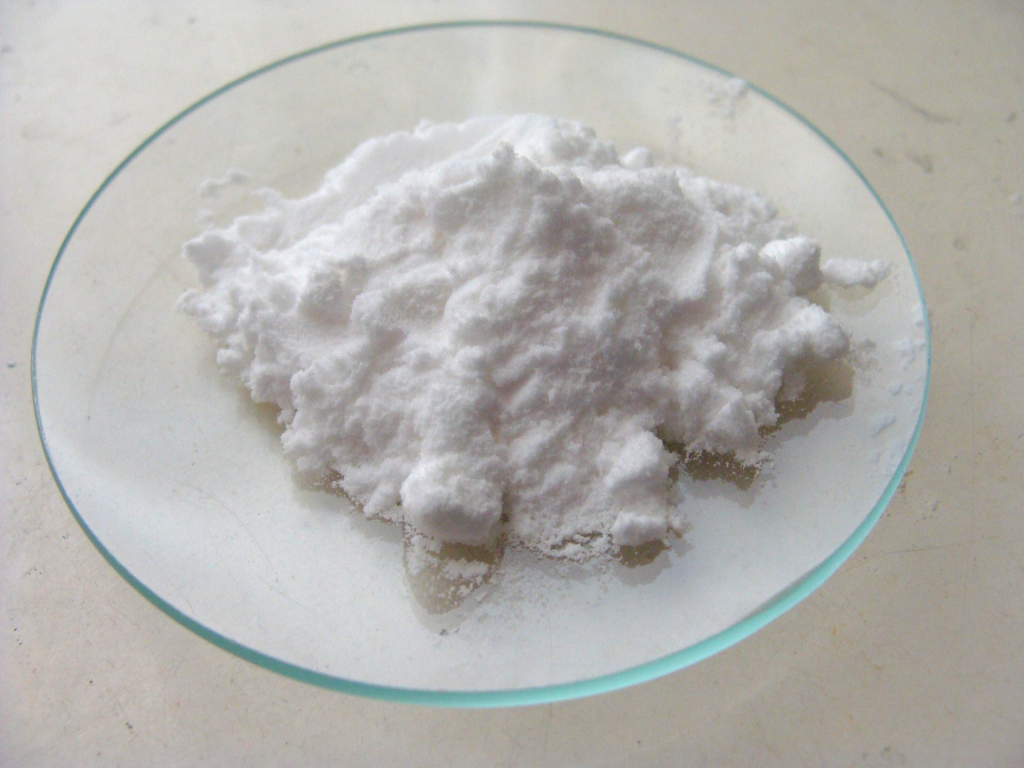
When to use each
Use baking soda when
- The recipe has an obvious acid: buttermilk, yogurt, sour cream, lemon juice, vinegar or natural cocoa.
- You want deeper browning and a crisper edge, as in many chewy cookies.
- You want cookies that spread rather than dome.
Browning is where soda shows its personality. A chemistry course blog at Dickinson College explains that because baking soda is alkaline, extra soda creates an alkaline environment that speeds up the Maillard reaction, the browning that gives baked goods their toasty flavor. The same piece notes that soda slows the setting of proteins, giving cookies more time to spread in the oven.
Use baking powder when
- The batter has little or no acid: plain milk, water, white sugar.
- You want a tall, even rise and a pale, tender crumb.
- The batter will wait a few minutes before baking, as with a tray of muffins going in batches.
Use both when
Illinois Extension puts it simply: sometimes there isn’t enough acid in the recipe to get the rise that’s needed, and that’s when baking powder steps in. A buttermilk biscuit or pancake recipe often uses soda to neutralize the buttermilk and add flavor, and powder to guarantee enough lift.
Flavor clues when something’s off
A soapy or metallic aftertaste usually means too much soda for the amount of acid. The Dickinson piece describes exactly this: when soda and acid are balanced they neutralize each other, but leftover soda tastes soapy. Bitterness and big, uneven holes can also mean too much baking powder, according to the American Society of Baking, while too little leaves a tough, dense crumb.
Substitutions and ratios
Swapping one for the other is possible in a pinch, but Illinois Extension is clear that they aren’t truly interchangeable and the results won’t be perfect. Use these as rescue moves, not everyday habits.
No baking powder
Utah State University Extension lists this substitute for 1 teaspoon baking powder:
- 1/4 teaspoon baking soda plus 5/8 teaspoon cream of tartar, or
- 1/4 teaspoon baking soda plus 1/2 cup fully soured milk or buttermilk, replacing 1/2 cup of the recipe’s liquid.
Mix and bake the batter promptly with these swaps. They behave like single-acting powder and most of the gas is released right away.
No baking soda
Soda is roughly four times as concentrated as powder in the swap above, so replacing it takes a lot of baking powder, and that extra powder brings more acid and filler with it. Expect a paler, puffier, slightly less flavorful result. If a recipe depends on soda for spread and browning, such as a classic chewy cookie, it’s usually worth a trip to the store.
No buttermilk
USU Extension’s fix: put 1 tablespoon vinegar or lemon juice in a measuring cup, add milk to make 1 cup and let it stand 5 minutes. Plain yogurt works too, one cup for one cup.
If you’re working through other common baking substitutions, the same rule applies: change one thing at a time and note what happened.
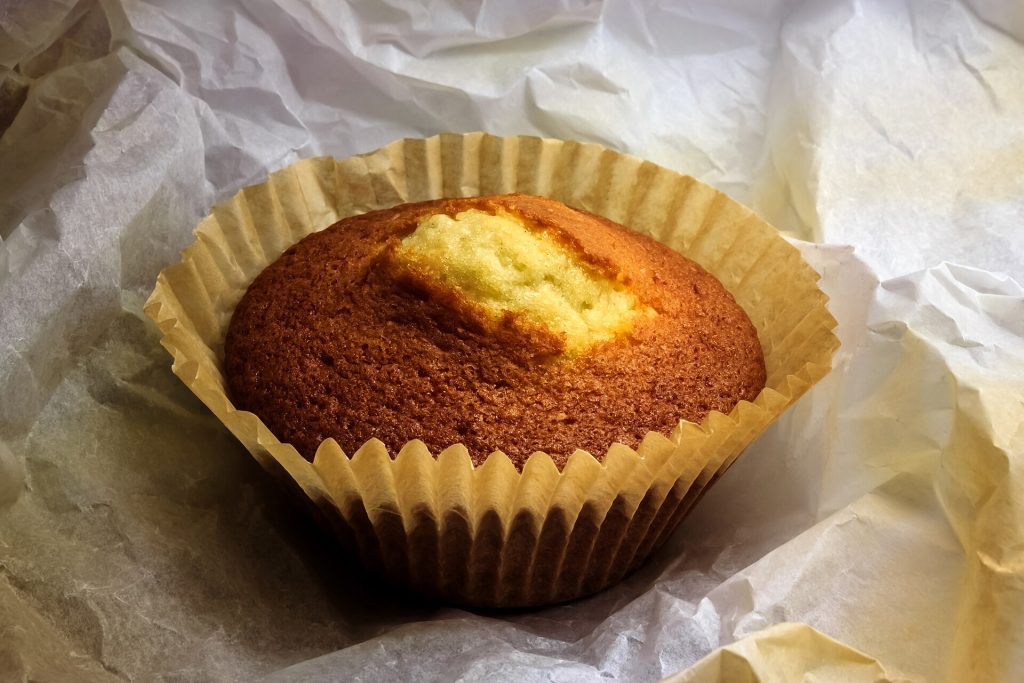
How to test for freshness
An old leavener is one of the most common reasons for flat cakes and dense quick breads. Both tests take less than a minute.
- Baking powder: put 1 teaspoon in a cup and pour over 1/3 cup hot tap water. Lively bubbling means it’s fine.
- Baking soda: put 1/4 teaspoon in a cup and add 2 teaspoons vinegar. It should fizz right away.
- No fizz, or a weak one: replace it.
These are the tests Taste of Home recommends, and it puts the shelf life of an open container of either at about 6 months. Write the opening date on the lid, keep the tins tightly closed and away from the steam of the stove, and always use a dry spoon.
FAQ
Is baking soda stronger than baking powder?
Yes. Baking powder is only partly baking soda; the rest is acid and filler. That’s why recipes use much less soda than powder.
Can I use baking powder instead of baking soda in cookies?
You can, but the cookies will usually be paler, puffier and more cake-like, because they lose the browning and spread that soda provides.
Why does my recipe use both?
The soda neutralizes an acidic ingredient and helps browning; the powder makes sure there’s enough lift overall.
Does baking soda go bad?
It doesn’t spoil, but it can lose strength over time once opened. Run the vinegar test if you’re unsure.
Try it in your own kitchen
The best way to see the difference is a small experiment. Make a half batch of your favorite cookie dough, split it in two, and use soda in one half and powder in the other. Bake them side by side and compare color, spread and flavor. For more kitchen know-how, browse our cooking tips or read our guide to quick breads.
Featured photo: Backpulver RZ by Rainer Z …, BY-SA 3.0.