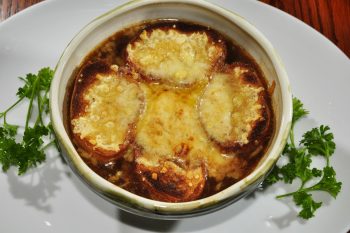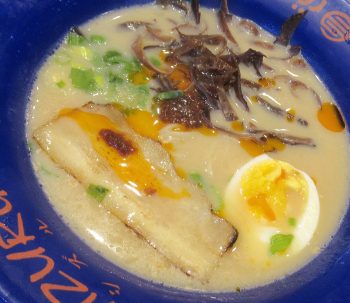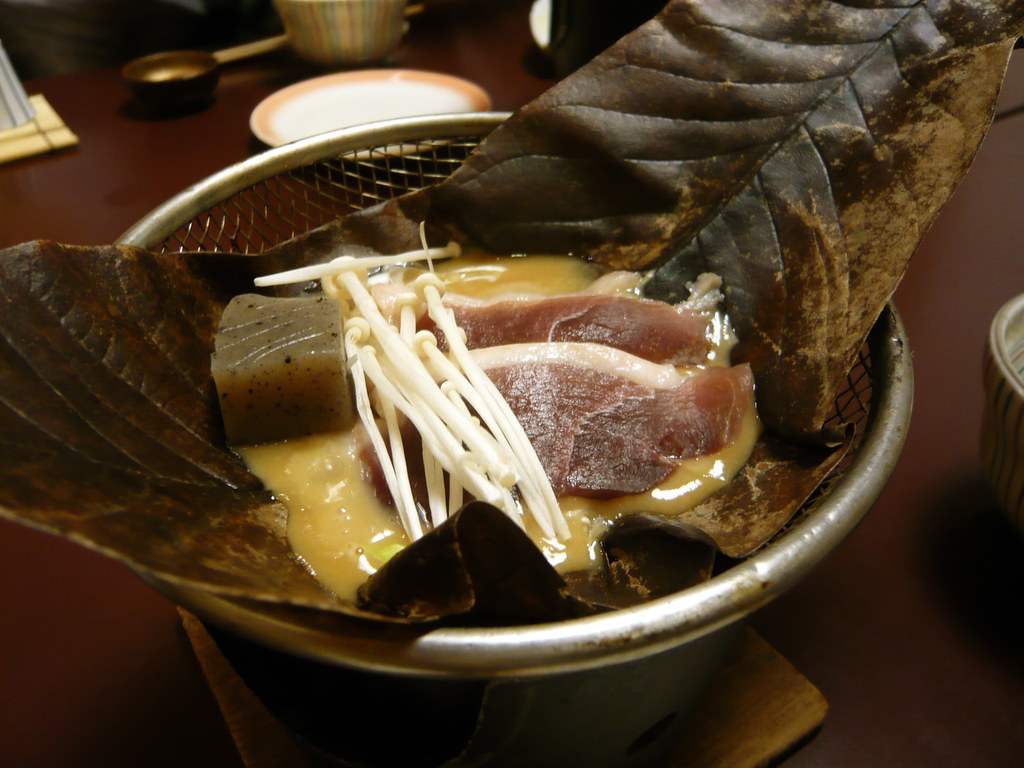
The idea of simplicity and functionality starts to feel more and more appealing to more people stuck in a fast-paced lifestyle and demanding routines. The concept of simplicity entered design and fashion, and now it has gotten to restaurants.
More restaurants around the world start focusing on one dish, making it a signature dish, instead of trying to offer everything and anything and collect a target audience as big as possible, eventually failing to appeal to anyone at all. Choosing one dish instead of an extended menu might look like a risky move, but it goes surprisingly well and, in practice, proves to be successful.
Instead of being a new flashy passive trend, this rise of the one-dish restaurant idea seems to reflect a shift in how people prefer to use restaurants and how they generally perceive eating. This simplicity becomes “new luxury” as it adds focus to the experience and suggests higher quality service.
Less Is More for Everyone
In traditional restaurants, menus can sometimes be overwhelming, with dozens of pages and complicated descriptions. The restaurant tries to impress, but instead, the experience can feel stressful and confusing. It has already been proven that the more choices people have, the harder and more stressful it is for them to choose, and they can end up giving up completely and not choosing anything.
One-dish restaurants immediately remove the stress of confusion and being unsure, and this decision fatigue for their clients. They go for the thing they cook best, and clients just come over to enjoy it. They know exactly what they are going to get, perhaps with small variations, and decrease the chances of being disappointed.
From a customer’s perspective, especially when there’s a huge choice of restaurants all around, a one-dish restaurant feels refreshing. It also adds to the perception of quality, because if the restaurant only serves one thing, high chance it has at least mastered making it well.
Moreover, visiting a restaurant just to have lunch in the middle of the work day is one thing, and the other thing when visiting a restaurant is a fun experience. In this case, diners are very likely to be looking for authenticity (and not just variety). People are becoming more curious about how the food is made, where it comes from, and what the story is behind the dish, etc.
Restaurants with a big menu, especially when it covers many directions – like European cuisine, pizza, sushi, seasonal dishes, extra dishes, and so on – cannot guarantee that they refine every detail most of the time (if at all). This level of attention is impossible to achieve, and more often than not, people still consider going to a specifically focused restaurant if they want a true experience.
One-dish restaurants consider more aspects – not just taste but the presentation, the sourcing of ingredients, and the right additions. It is easier to have positive expectations met, and that also makes the dish more familiar and therefore satisfying. And high-quality, satisfying food is something everyone wants.
Operational Benefits for Owners
A limited menu focused on one dish is a huge advantage for restaurant owners. Simplicity means clarity and the reduction of complicated tasks. The result is lower cost, less waste, smoother workflow, predictability in operation, and easier ways to work with clients.
Inventory management becomes much easier as the owners only need to stock ingredients for a limited variety of dishes. It is harder to run out of key items or have food spoiled.
Staff training is also easier and more efficient, because the people have less stuff to cover in terms of preparation and serving. Therefore, the service gets a boost in consistency and quality. It’s like with online casinos Canada – it’s better to have fewer games from leading studios than a ton of games from unknown indie companies.
Eventually, branding a one-dish restaurant is easier than a one-size-fits-all restaurant, and even more importantly, it is easier to tweak or even completely rebrand. One-dish restaurants go with a clear identity, are easier to remember, and so they stand out in people’s minds when someone is thinking of a good place for dinner.
A Smart Move for Small Spaces
In cities where rent is high and space is limited, the one-dish model can also be way more practical, and potentially, a new restaurant has higher chances of survival. Some businesses start with tiny kiosks or even pop-ups. Without spending too much on space, owners can actually focus on the quality of their ingredients and a positive customer experience.
This model is especially attractive to first-time entrepreneurs or chefs who want to test an idea without the huge investment of a traditional restaurant. As for the customers, if high-quality food is served by friendly people from a small kiosk, they will prefer this food to a fancy big restaurant where you have to wait for half an hour just to make an order.
The Experience Feels Special
When a restaurant is built around one dish, it creates a sense of purpose. Diners know what they’re getting into, and often, they’re excited about it. The meal becomes an event in itself. People come not just to eat, but to try the dish.
This can also build a strong community around the restaurant. Fans of a particular dish will travel for it, talk about it, and share it with friends. That type of loyalty is hard to achieve with a general menu.
Featured photo: One-pot dish by WordRidden, BY 2.0.