The image of a chef in a crisp white jacket and towering hat has long been a symbol of professionalism and culinary mastery. Yet, like the dishes they create, chef attire has evolved over time. It’s been shaped by innovation, culture, and the ever-changing dynamics of the kitchen. Today’s culinary wear balances tradition with technology, allowing chefs to express both skill and individuality while staying comfortable under pressure.
A Brief Look Back: From Function to Formality
The origins of modern chef attire date back to the early 19th century, when the legendary French chef Marie-Antoine Carême designed a uniform that represented order and respect in the kitchen. The double-breasted white jacket became a staple, offering both protection and a professional aesthetic. Its reversible design allowed chefs to quickly conceal stains, while the thick cotton fabric shielded them from heat and splashes.
The toque (the tall, pleated hat) was another invention rooted in hierarchy and hygiene. Its height often denoted rank, and its design helped ventilate heat while keeping hair neatly contained. In this era, the kitchen was a place of formality and precision, and the uniform reflected that discipline.
The Rise of Practical Innovation
As kitchens modernized, practicality began to take center stage. Heavy cotton gave way to lighter, breathable materials that could withstand long hours in hot environments. The introduction of fabrics with moisture-wicking and stain-resistant properties revolutionized comfort and durability.
Aprons, too, became more versatile. They’re designed with adjustable straps, multiple pockets, and reinforced stitching for durability. These innovations turned chef wear into a practical tool, rather than just a uniform. The growing influence of global cuisines also began to shape styles, with cross-cultural elements appearing in designs to reflect the increasingly diverse culinary landscape.
Brands such as www.chefworks.com have played a central role in this evolution, offering professional-grade apparel that merges form with function. Their approach reflects a broader industry shift toward comfort, flexibility, and personal expression, without sacrificing the professional image that chefs rely on.
Individuality in the Modern Kitchen
While professionalism remains essential, today’s chefs are also seen as creative artists and public figures. With the rise of open kitchens, social media, and televised cooking, attire has become a medium of self-expression. Colorful trims, customized embroidery, and tailored fits now allow chefs to stand out while maintaining the high standards of their craft.
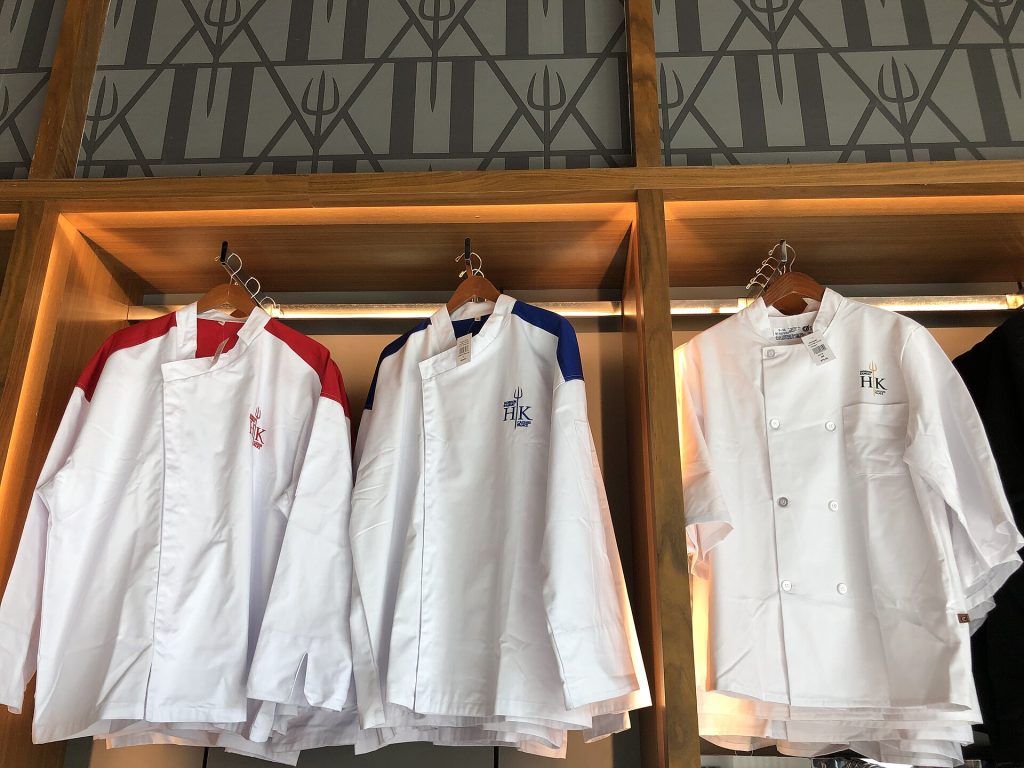
Even the classic white jacket has expanded into a spectrum of colors: black for a contemporary edge, grey for urban sophistication, and denim for a casual, artisan feel. The modern chef’s wardrobe now mirrors the culinary world itself: diverse, vibrant, and globally influenced.
The Shift Toward Sustainability
In recent years, the hospitality industry has placed greater emphasis on sustainability, and chef attire is following suit. Eco-friendly fabrics, recycled fibers, and ethical production processes are reshaping how uniforms are made. Kitchens that prioritize sustainability in their sourcing and waste management are extending that ethos to their staff uniforms, creating a holistic approach to environmental responsibility.
By choosing garments made from sustainable materials or produced through fair-labor practices, chefs are demonstrating that style and ethics can coexist. This alignment between values and attire enhances brand credibility and reflects a broader commitment to responsible operations.
Technology Meets Tradition
Innovation in textiles has introduced smart fabrics that respond to the challenges of the kitchen environment. Antimicrobial coatings help reduce odors, while temperature-regulating fibers keep chefs cool during service. Some modern designs even incorporate stretch panels for enhanced mobility, ensuring that attire adapts to the fast-paced rhythm of professional kitchens.
At the same time, traditional tailoring techniques continue to provide structure and elegance. The balance between old and new (craftsmanship and performance) captures the spirit of today’s culinary industry.
A Reflection of the Modern Culinary Identity
Chef attire has traveled far from its formal origins. What began as a symbol of hierarchy and discipline has become an expression of identity, innovation, and pride. The evolving uniform reflects not just how chefs work, but who they are, creative professionals balancing precision, artistry, and personality.
As kitchens continue to modernize, chef wear will remain an integral part of that transformation, embodying the fusion of tradition, technology, and individuality that defines contemporary cuisine.
Featured photo: HK Las Vegas jackets by David Lambert, BY-SA 4.0.