- Refrigeration failures can spoil stock and damage compliance
- Cooking equipment breakdowns lead to immediate service delays
- Cleaning system issues impact hygiene, safety, and staff workload
- Maintenance planning helps avoid costly downtime and disruption
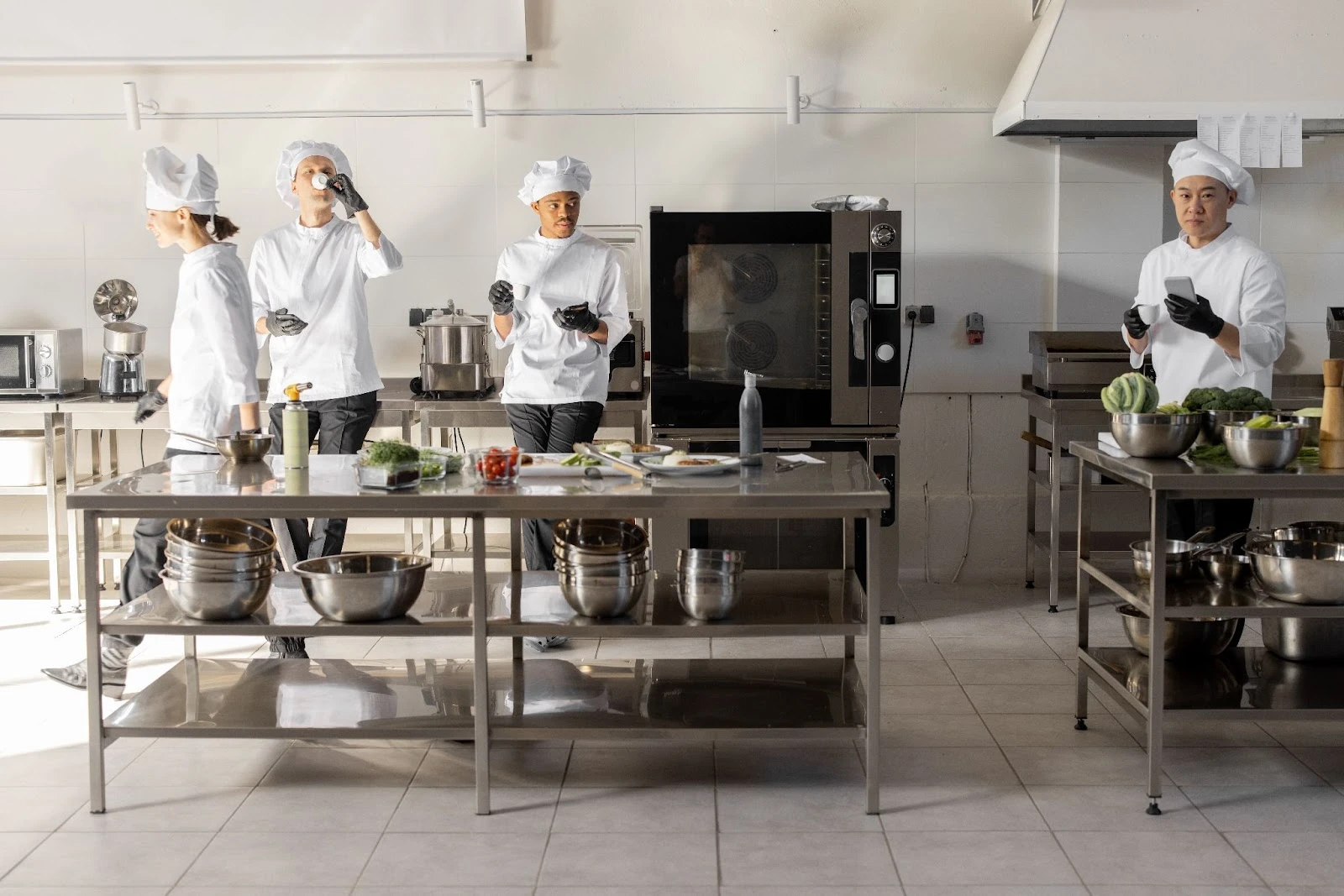 You understand how stressful it can be when you are in a busy service and every second matters. Orders are coming in, the kitchen is on full blast, and then, out of the blue, one of the critical pieces of equipment breaks down. It is a time that can derail a whole night. Customers take more time, food quality is compromised, and employees are scrambling to address the issues that would have been prevented. A busy food business is supported by equipment, which is typically neglected until something fails. Once you are aware of the pitfalls that commonly happen in kitchens, you can plan in advance and save the mess of sudden downtime.
The unseen price of refrigeration breakdowns
There is nothing that can create as much havoc in a commercial kitchen as a fridge or freezer that fails to work. In addition to the apparent inconvenience, spoiled stock may soon become thousands of dollars wasted. Moreover, the problem of food safety compliance is also severe when perishable products are not kept at the right temperature. The problem with refrigeration is particularly challenging because it usually builds up over time. You may find frost creeping along shelves, fluctuating temperature readings, or strange buzzing noises that employees learn to disregard. The damage is already done by the time the equipment fails altogether. It is important to monitor these early indicators since a malfunctioning unit does not only waste food, but it can also cause a dent in the image in case the food comes out of the kitchen below the expected quality. Ice production is just as critical as cold storage: when undercounter units lag, cocktails back up and any prep that relies on rapid chilling suffers. Specifying durable, well-ventilated machines and scheduling descaling prevents slow harvests and cloudy cubes. Models like Scotsman undercounter cube ice machines combine compact footprints with high daily output, and service‑friendly designs reduce the likelihood of mid‑service breakdowns.Equipment failures that stop service
The impact is instant and harsh when ovens, grills, or fryers malfunction during a busy shift. Employees are compelled to reorganize cooking techniques on the fly, meals are postponed and uniformity is lost. Such failures are usually caused by problems with clogged filters, electrical problems, or broken heating elements due to constant operation. Other times it is just a matter of a component that was due to be replaced. In the case of a food business, such a breakdown does not simply result in slower service; it may also result in whole menu items being out of stock. That leaves customers dissatisfied and places additional burden on employees who have to work around. Even short downtimes during busy service times can have a ripple effect that can be felt in customer reviews, future bookings, and profitability.Dishwashers and cleaning issues
Cleanliness in a food business is not merely a matter of appearance but a legal matter. Dishwashers and other cleaning systems ensure that everything is moving at the correct speed, and that plates, utensils and cookware are available when required. The knock-on effect of these machine failures can be drastic. Ponding on the floor poses risks, clogs the washing cycle, and not achieving sanitising temperatures can lead to unsafe outcomes that the inspectors will not ignore. Employees will waste time washing equipment manually under pressure, which will slow down the kitchen and make them more tired. A failure in this respect may not necessarily be as apparent to the customer as a fryer that does not heat, but it can be equally disruptive to service and compliance. Being aware of suspicious smells, half-finished cycles or foggy glassware can provide a warning of something amiss before it becomes a shutdown.The importance of professional repair services
In cases where equipment fails, a temporary repair by the employees is not sufficient to sustain operations in the long term. The new commercial appliances are constructed using sophisticated systems that cannot be diagnosed without professional training. Many food businesses turn to specialists in commercial kitchen repairs because they can quickly pinpoint the cause, source the right parts, and restore functionality without unnecessary trial and error. In addition to dealing with critical breakdowns, these professionals can also offer routine maintenance schedules that ensure that equipment is maintained in optimal condition. Using such expertise will minimize the chances of unexpected failures and ensure that downtime is minimized. In the case of a kitchen with a high capacity, the reliability of the support available can be the difference between a seamless service and an expensive interruption.Developing a maintenance strategy to achieve long-term dependability
With a clear maintenance plan, unexpected breakdowns are much less likely to occur. Periodic inspections allow employees to detect small problems before they can turn into failures that halt the service. Regular checkups with qualified technicians will make sure that vital parts like seals, filters and heating elements are maintained in good condition. It also helps to train the staff to be aware of the early warning signs, like strange sounds, changing temperatures, or errors in cycles. The maintenance plan is not only about ensuring that equipment is in working condition, but also ensuring that the service flow is not disrupted, unnecessary costs are not incurred, and a safe working environment is maintained. Planning and budgeting of normal care means food businesses can run without worrying that their equipment will fail them during peak times.Conclusion
A busy kitchen depends on all equipment functioning in the way it is supposed to. Refrigeration to dishwashers, there is always a threat of disruption when machines are stretched to the limit day after day. Food businesses can reduce stress and ensure the flow of services is smooth by knowing the weak areas that lead to breakdowns most of the time and putting proactive systems in place. The true distinction is in the fact that maintenance is treated as a continuous priority, not something that is only fixed when something breaks down. That attitude makes kitchens dependable, efficient, and prepared to deal with the busiest shifts without needless delays.Featured photo: Lamborghini Dal Toro Restaurant 1 by ghahnroyal, BY 2.0.