The omnipresence of technology may be unnerving to some. But most have embraced the new digital age as the fact of life. Though we have had to adapt to some pretty intense changes to get to where we are. But that is true not just for the individual person. Businesses have had to change to accommodate new expectations that stem from technological progress.
We can clearly see those changes present in the hospitality sector. Restaurants and bars have undergone some pretty drastic shifts in order to adapt to a new era. But what some may not realize is how deeply certain industries are intertwined. Digital entertainment may not have an obvious correlation to the dining experience on the surface. But our goal here is to explore where the two intersect.
The Shift to Digital Entertainment
Digital entertainment is ubiquitous in the modern century. Most people looking to have fun these days will pull out their phone or boot up their PC. That is because an ocean of entertainment is readily available for them at all times. Some may wonder how this affects the hospitality market at all? The most obvious connection we can make is the shift away from land-based casinos to their online counterparts.
There is some discussion to be had about whether casinos should be included in the hospitality category. The gambling industry is its own powerhouse after all. But there are certainly parallels between casinos and hotels or restaurants. These parallels alone show how intertwined certain sectors of industry can be in the modern age. It also gives us the perfect segue to address Casino Days and gambling platforms like it.
Online casinos have taken over the modern gambling market. They offer a convenient service that players can access at any point during the day. The new regulatory measures that Canadian provinces like Ontario have imposed on the industry have also made the market safer for a new generation of players. Online casinos offer the same service as their land-based predecessors. But they’ve upgraded it by bringing a level of convenience into it all.
Digital Entertainment and Hospitality
Restaurants and hotels cannot be so easily replaced by an app. Digital entertainment companies can give us the tools we need to play online versions of our favorite games. But they can’t provide us with the experience of fine dining or spending the night. It is certainly possible to use the internet to book a hotel room or order a fine meal. But that only adds a middleman into the equation. It does not fully remove the need for a restaurant or hotel.
The question then remains about how digital entertainment affects hospitality? One way is that the new cyber era has placed certain expectations on restaurants. The modern restaurant goer will almost certainly expect to enter an establishment that allows free access to the internet. Wireless connections are a necessity for fast food franchises and fine dining establishments. It has come to a point where some restaurants even try to subvert this expectation by purposefully not including such a service.
The effects of digital entertainment are far more noticeable in hotels. They too must offer wireless connection to guests in individual rooms. But many take it a step further by including streaming options for their visitors. Most hotels these days tend to include an individual TV set for each room. It is not surprising to find that these TVs are equipped with the biggest streaming platforms around. Most hotels rely on Netflix. But there are those who splurge for a wider range of services as well.
Interaction is Key to Entertainment
Interactivity is a key feature of the modern entertainment industry. The gamification of industry has proven effective in getting people personally involved with whatever product they are being sold. Restaurants and hotels have also found that a level of interaction can attract more customers. What is also important is that interactive entertainment is capable of keeping clients engaged and interested to return to the business.
It is no secret that interactive menus and mobile apps allow guests to browse the features of a restaurant before they ever set foot there. But some dining places have gone further than simple browsing. They’ve allowed customers to generate their own unique meals, a feature which has shown to be incredibly beneficial in keeping fans engaged and likely to return. Some restaurants have coupled these features with beer walls and drinking fountains. These elements give visitors a sense of control over their beverage intake.
Hotel managers also seem keen on using interactive entertainment to build up their brand. It isn’t rare to find gaming nooks in hotel lobbies these days. Some businesses will set up entire gaming rooms, equipped with the latest gaming consoles. Luxury hotels may even go so far as to splurge for a virtual reality set. VR is a hot button issue these days. But its implementation in hospitality sectors leads nicely into the final topic we would like to address.
The Future is in VR
Virtual reality is only now starting to reach the heights that so many of us have imagined. Science fiction writers of the past century treated the concept as a wondrous tool that can shape brand new realities. Many were disappointed to see the initial games released for the Oculus Rift and similar VR headsets. But even that technology has come a long way in the past decade. Modern virtual reality tools have allowed some users to go on spectacular journeys across the planet.
Hotel managers have seen the potential that virtual reality holds. Many have partnered with VR game developers in hopes of creating a digital guided tour of their establishment. These VR tours serve as promotional material for various resorts around the globe. The impressive thing is that they’ve proven quite effective in getting people interested. Experiencing the features in virtual reality is great. But it seems that most people still would prefer the real thing.
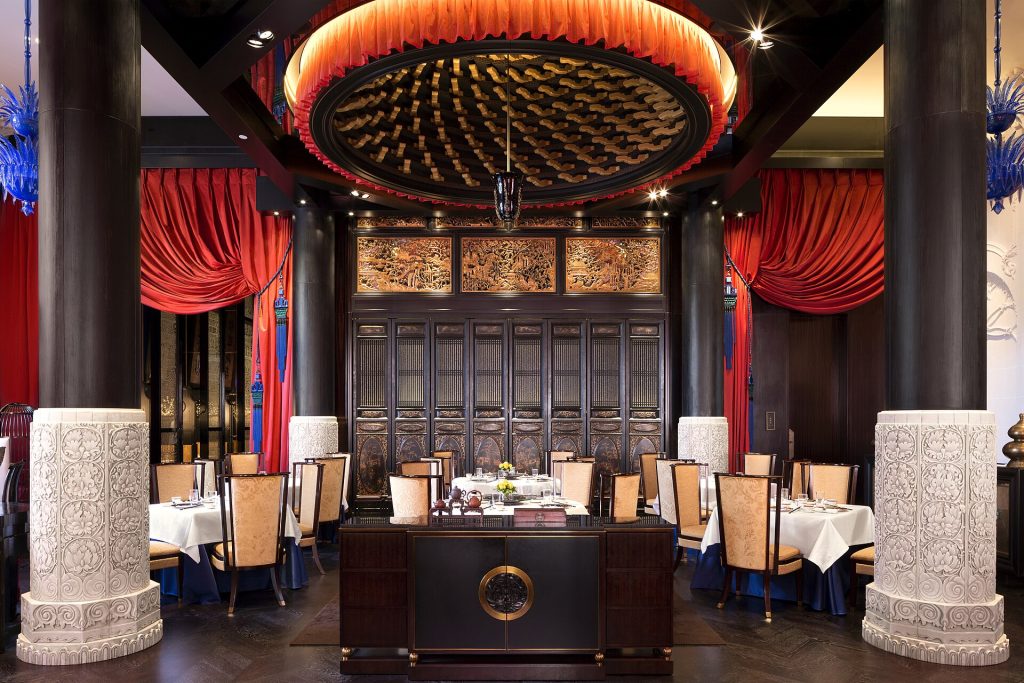
Featured photo: The Peninsula Paris’ Chinese restaurant LiLi, 12 August 2014 by PPR 19, BY-SA 4.0.