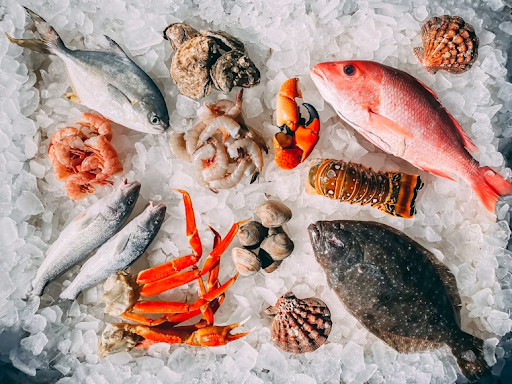
Looking to keep food fresher for longer?
We’ve all got the same problem at home. We go to the store, buy fresh food with the best of intentions, and then half of it spoils in the fridge before we can use it.
Let’s be real…
30% of food is wasted globally each year, and the vast majority of that waste occurs right in our own kitchens. That’s not just money down the drain. It also means that we don’t have the freshest, highest quality ingredients available when we need them.
Fortunately, there is a solution…
The good news is that, with a few key strategies in place, you can dramatically improve the shelf life of your food. Whether you’re storing fresh, quality food for your family’s weekly groceries, or you’re stocking up in advance for a special occasion, these expert tips will change the way you think about how to store and manage your food supply.
Some families even go so far as to invest in professional quality seafood delivery service options to bring the absolute freshest possible ingredients right to their door, but even the highest-quality foods need the right storage solutions to keep them at peak freshness levels.
What you’ll discover:
- Temperature Control: Your First Line of Defense
- Smart Storage Solutions That Actually Work
- The Truth About Expiration Dates
- Meal Planning Strategies for Maximum Freshness
- How to Spot Quality Before You Buy
Temperature Control: Your First Line of Defense
Temperature is by far the most important factor in maintaining freshness. Every degree can make a significant difference in slowing the bacteria and enzymes that cause food to spoil.
Your fridge should be set to 40°F (4°C) or below, and your freezer at 0°F (-18°C). In fact, different zones in your fridge have different temperatures.
The top shelf is usually the warmest, making it the ideal place to store leftovers and drinks.
The bottom shelf is the coldest, so that’s where you should store raw meat and seafood.
The crisper drawers are actually humidity-controlled compartments that keep fruits and vegetables fresh much longer.
Want to know the best part about proper temperature control?
The right temperature can extend the life of your produce by days or even weeks. Leafy greens that last 3-4 days at normal fridge temperatures can stay crisp for over a week when stored properly.
Smart Storage Solutions That Actually Work
Storage isn’t rocket science, but most of us are doing it wrong.
Here’s what you need to know:
Fruits and Vegetables
Not everything belongs in the fridge. Bananas, tomatoes, potatoes, and onions last much longer at room temperature. But here’s the catch – some fruits give off ethylene gas which can speed up ripening in other fruits.
Separate these items:
- Apples (high ethylene producers)
- Bananas (extremely sensitive to ethylene)
- Leafy greens (wilt quickly around ethylene)
Dairy and Proteins
Milk and dairy products should always be kept on a shelf, not in the door. The door is the warmest part of your fridge because it’s constantly being opened and closed.
For proteins, especially fresh seafood and meat, use airtight containers or tightly wrap in plastic wrap. This helps prevent cross-contamination and keeps them fresher longer.
Dry Goods
Pantry items need protection from air, moisture, and pests. Transfer things like flour, sugar, and rice into airtight containers as soon as you bring them home.
Pro tip: Label everything with dates. You’ll thank yourself later.
The Truth About Expiration Dates
Expiration dates are mostly just about quality, not safety.
“Best By” and “Use By” dates are indicators of quality, not food safety. In fact, many foods are perfectly safe to eat after their expiration dates if they’ve been properly stored and show no signs of spoilage.
Here’s how to tell if food is still good:
- Smell test: Trust your nose. Spoiled food usually has a strong, off odor.
- Visual inspection: Look for mold, discoloration, or texture changes.
- Texture check: Fresh food should feel firm and not slimy or mushy.
When in doubt, throw it out. It’s better to be safe than sorry.
Meal Planning Strategies for Maximum Freshness
The key to reducing food waste isn’t just better storage – it’s also smarter shopping and planning.
Plan your meals for the week before you go shopping. It may sound like a no-brainer, but over 1 billion meals are wasted every day globally, and often it’s because we just buy more than we need.
Shop Smart
Shop for perishables last. Start with your pantry, then frozen foods, then refrigerated items, and finish with fresh produce and proteins.
First In, First Out
Use older items before newer ones. Rotate your fridge and pantry so the older items are in front when you bring home new groceries.
Prep Ahead
Wash and prep your vegetables when you get home. Clean, cut veggies are much more likely to get used than whole ones sitting in your crisper drawer.
How to Spot Quality Before You Buy
All the best storage techniques in the world won’t help you if you’re buying poor-quality food to begin with.
Here’s what to look for:
Fresh Produce
- Firm texture – Should feel solid, not soft or squishy
- Bright colors – Vibrant colors mean fresh
- No dark spots – Avoid produce with blemishes
- Fresh smell – Should smell fresh, not overly sweet
Proteins
- Clear eyes – Fish should have bright, clear eyes
- Firm flesh – Should spring back when pressed
- Fresh smell – Should not have a strong fishy or sour odor
- Proper packaging – Check dates, intact packaging
Dairy
- Check dates – Always check sell-by dates
- Inspect packaging – No dents, cracks, swelling
- Store location – Properly refrigerated in store
The Economics of Fresh Food
The average family wastes $1,600 worth of food every year. With these food freshness strategies in place, you could easily cut that figure in half or more.
Every single piece of produce that stays fresh for an extra few days is money saved. Plus, fresher food just tastes better and is more nutritious for your family.
Common Storage Mistakes
With the best of intentions, most of us still make these major mistakes:
- Overloading the refrigerator stops air circulation
- Storing everything in plastic bags doesn’t let many foods breathe
- Ignoring temperature zones in your fridge wastes the natural cooling system
Steer clear of these common errors and you’ll see immediate improvements in how long your food stays fresh.
Bottom Line
Food freshness starts with a few simple steps: proper temperature control, smart storage solutions, and buying the highest quality food you can.
The truth is…
Fresh food is just better food. It tastes better, provides better nutrition, and it saves you money. By following these strategies you’ll turn your kitchen into a high-performing system that keeps food at peak quality.
Start with a few of these techniques that make the most sense for you. Before you know it, keeping fresh, quality food will become second nature.
After all, life is too short for wilted lettuce and spoiled milk.