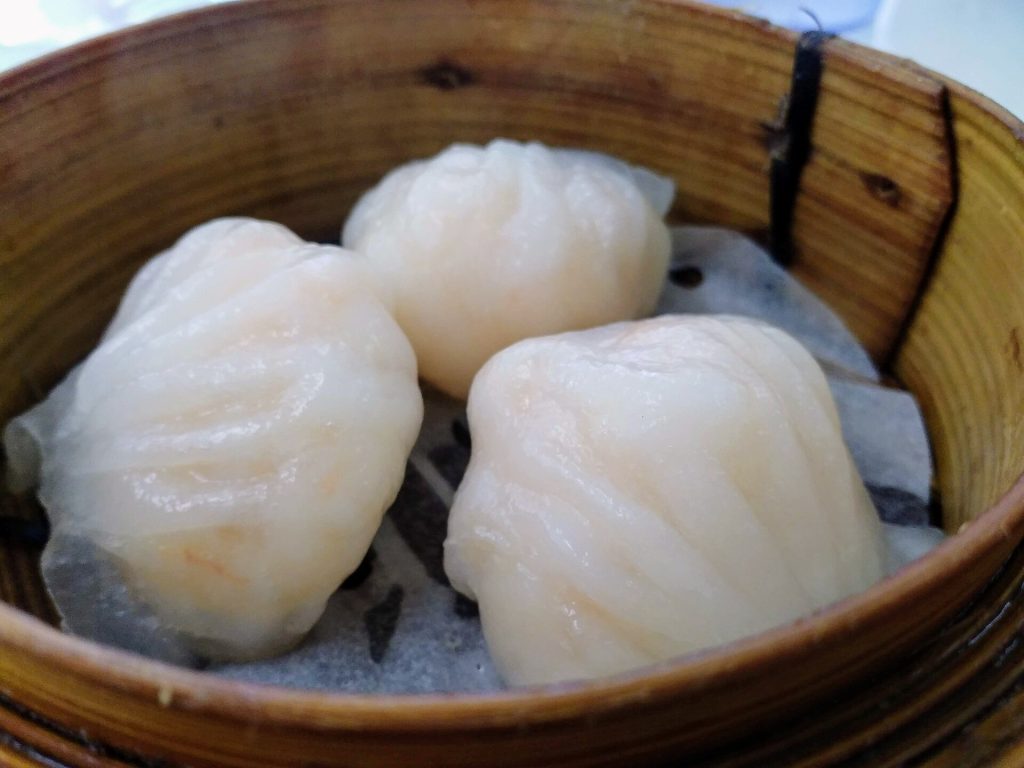
Here’s how to order dim sum on a first visit: sit down, choose a tea, then either pick dishes from the carts as they roll past or tick them off a printed order sheet. Order three or four plates to share, add more as you go, and say thanks for a tea refill with a quiet tap of two fingers on the table. The bill is tallied at the end from what your table ordered.
That’s the whole routine, but the first time can still feel like a lot. The room is loud, the carts move fast, and the menu may be in Cantonese. It helps to walk through it once before you go.
So let’s do exactly that. Say you and three friends are heading out for a Sunday dim sum lunch at a busy Cantonese restaurant. Here’s what happens, step by step, and what to order.
Key takeaways
- Yum cha means “drink tea”; dim sum is the name for the small dishes you eat with it.
- Restaurants serve dim sum from rolling carts, from a printed order sheet, or both.
- Tap two fingers on the table to thank a friend who pours your tea; leave the teapot lid ajar for a refill.
- For a first visit, start with har gow, siu mai, cheung fun and char siu bao, then add as you go.
- Order in small rounds, share everything, and ask before taking the last piece.
Arriving and getting seated
Your group of four arrives at 11:30. On weekends, busy dim sum halls can have a queue, so you give your name and party size and wait for a table. When you sit down, the first question from the server is usually about tea, not food. That’s fitting: according to SBS Food, yum cha literally means “drink tea” in Cantonese, while dim sum translates as “touch the heart” and refers to the small plates served alongside.
Picking a tea
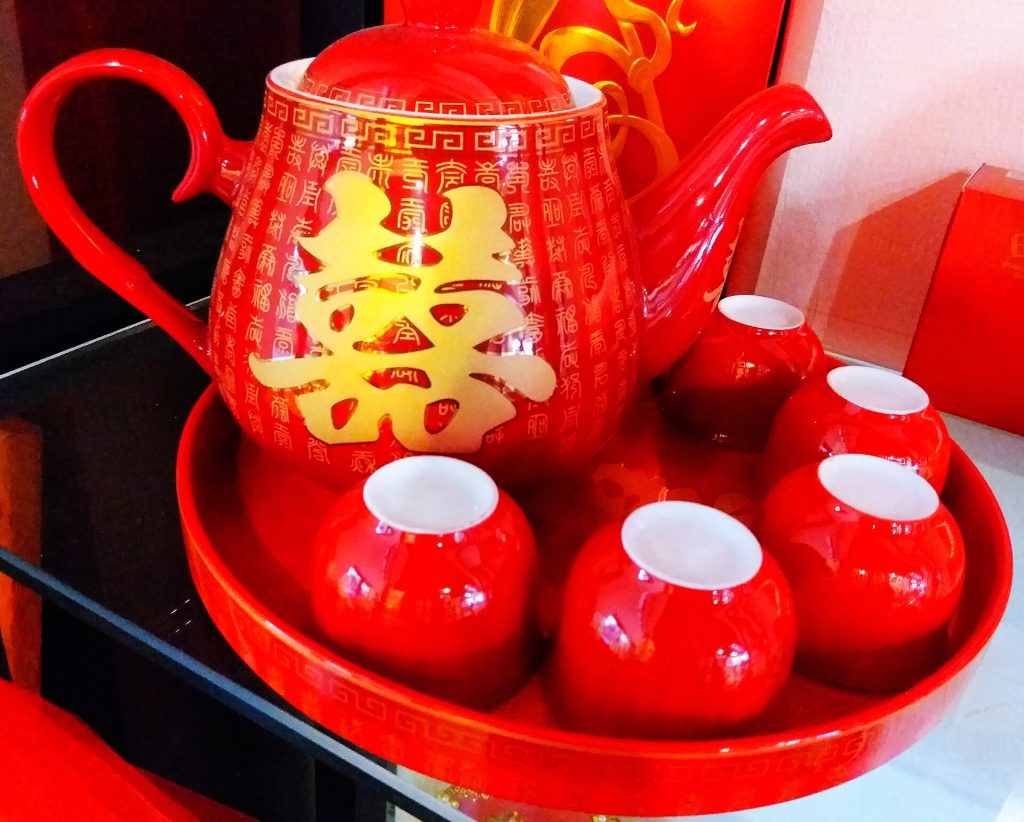
Oolong and pu’er are common choices, and jasmine is a gentle start if you’re unsure. One pot for the table is plenty, and it’ll be refilled with hot water through the meal.
The bowl that isn’t for soup
In some restaurants, especially in Hong Kong, you may also get a large empty bowl and a pot of hot tea or water. Hong Kong Living explains that this is for rinsing your chopsticks, cups and bowls before you start, not for drinking. Follow what the table next to you does if you’re unsure.
Ordering: carts or an order sheet
Britannica notes that dim sum is traditionally served from trolleys that pass continuously by diners, as well as from conveyor belts and printed cards for ordering. Your restaurant will likely use one of the first or last, and the approach is a little different for each.
If there are carts
- Watch a few carts pass before you grab anything. Steamed dishes, fried items and sweets often ride on different carts.
- When a cart stops, ask to see inside the steamers. Pointing is fine.
- Take one or two dishes per cart. The server marks your table’s card or ticket each time.
- Keep an eye out for what you’re missing. If a favourite hasn’t come by, ask a server; they can often bring it from the kitchen.
If there’s an order sheet
- Find the sheet on the table. Hong Kong Living describes it as both menu and order form.
- Write the quantity next to each dish, along with your table number if asked.
- Hand it to a server. Dishes arrive as they’re ready, not all at once.
- Keep the sheet or ask for a new one to order a second round.
In your hypothetical Sunday lunch, the restaurant uses an order sheet. You tick four dishes for the first round and keep the pencil handy for later.
Tea etiquette, including the finger tap
Tea etiquette is where first-timers get the most curious looks, but there are only two habits to learn.
The finger tap
When a friend tops up your cup, tap the table lightly with your index and middle fingers. It’s a silent thank-you. Singapore food guide Makansutra traces a popular origin story to the Qing dynasty, when the Qianlong emperor travelled in disguise and poured tea for his companion, who tapped bent knuckles on the table in place of a bow. The same piece notes that customs like this rarely have a single origin, and that the gesture is most common among older generations today.
Hong Kong Living adds a subtle point: the tap is for fellow diners. Don’t use it to acknowledge restaurant staff.
Asking for a refill
When the pot runs dry, leave its lid slightly ajar or resting on the rim. That’s the signal for a server to bring more hot water. Refills are usually free.
Pouring for others
Fill other people’s cups before your own, especially anyone older at the table. It’s a small courtesy that goes a long way.
At dim sum, the tea isn’t a side order. It sets the pace of the whole meal.
The classic dishes for a first visit
With four people, a first round of four to six dishes is about right. These are the classics most restaurants make, and a good test of any kitchen.
| Dish | What it is | Why order it |
|---|---|---|
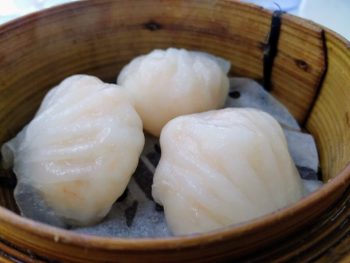
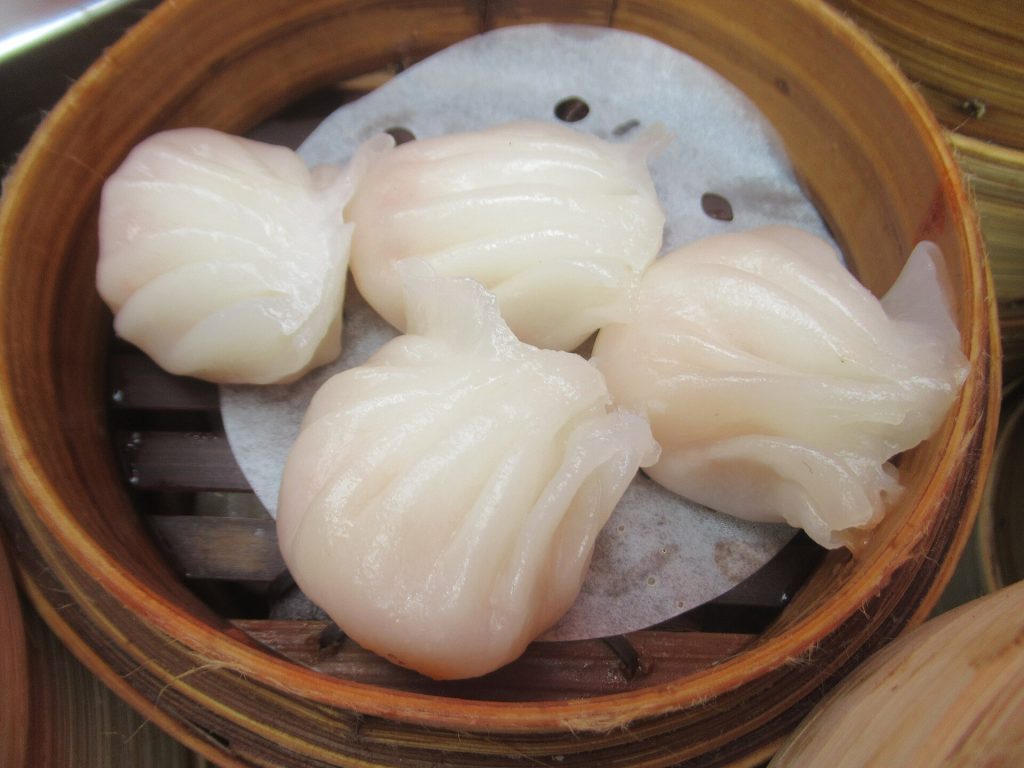
| Har gow | Shrimp dumplings in a translucent wrapper | The benchmark; the wrapper should be thin and not tear |
| Siu mai | Open-topped dumplings of pork and shrimp, often with mushroom | Juicy and familiar, easy for first-timers |
| Cheung fun | Steamed rice-noodle rolls filled with shrimp, pork or beef | Silky texture, served with sweet soy sauce |
| Char siu bao | Soft steamed buns filled with barbecued pork | Sweet-savoury and filling |
| Egg tarts (dan tat) | Custard tarts in flaky pastry | A sweet finish |
Hong Kong Living describes har gow with shrimp and bamboo shoots in a translucent wheat-starch skin, siu mai topped with crab roe, and cheung fun as rice-flour sheets rolled around a filling. Versions vary by restaurant and region, which is half the fun.
If you’re cooking at home afterwards, our guide to making dumplings at home is a good follow-up.
Sharing, pacing and paying
Sharing
Dim sum is communal. Everything goes in the middle, and baskets usually hold only a few pieces, so a bigger table may want doubles of favourites. Use serving chopsticks if they’re provided, and ask around the table before taking the last piece.
Pacing
Order in rounds rather than all at once. Steamed dishes are best hot, and a table crowded with cooling baskets is a common beginner’s mistake. In your Sunday scenario, you’d eat the first four dishes, then add a second round, perhaps something fried such as spring rolls, then finish with egg tarts.
Paying
When you’re done, ask for the bill or take your card or sheet to the cashier, depending on the restaurant. The total is based on the dishes marked. Some restaurants also add a charge for tea, so check the bill. Splitting evenly is normal when everything was shared.
For more on restaurant customs, browse our eating out guides, or find a Cantonese spot near you in the restaurant directory.
FAQ
What’s the difference between dim sum and yum cha?
Yum cha means “drink tea” and describes the meal. Dim sum refers to the small dishes served with the tea.
How many dishes should I order?
Start with about one dish per person plus one or two extra, then order more in rounds. It’s easier to add than to waste.
Why do people tap the table when tea is poured?
It’s a silent thank-you to the person pouring. It’s used between diners, not with staff.
How do I get more tea?
Leave the lid of the teapot ajar or propped on the rim. A server will refill it with hot water.
Book your first yum cha
Pick a weekend morning, gather three or four friends, and arrive a little before the lunch rush. Order the four classics first and let the carts or the menu tempt you from there. Afterwards, try steamed buns at home and see how close you can get.
Featured photo: Three dim sum in steamer basket by Mshuang2, CC0.