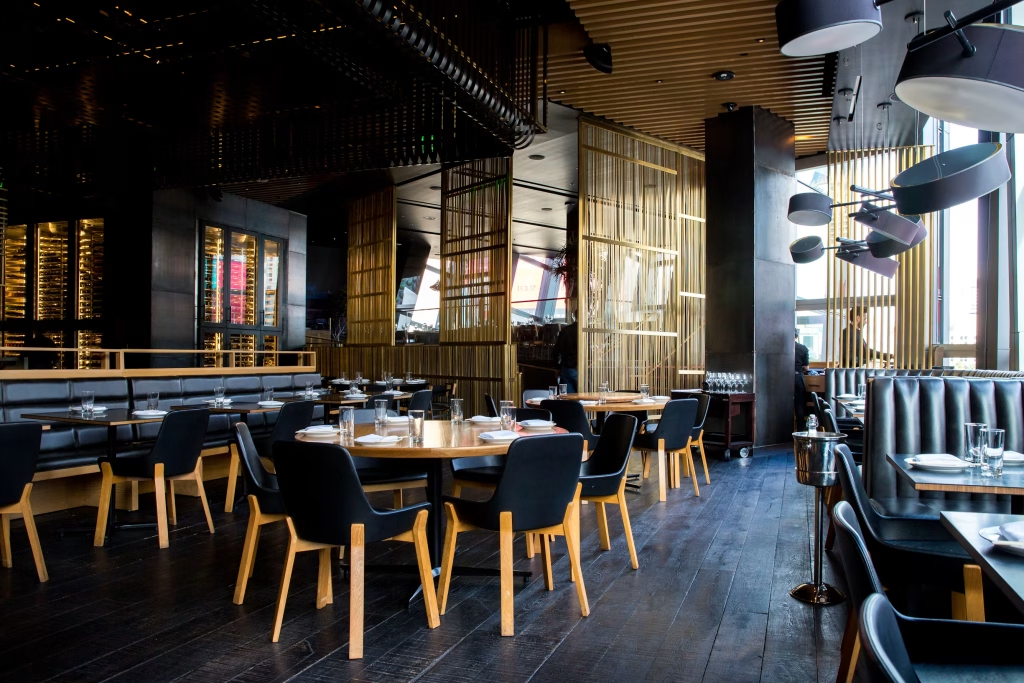
Running a restaurant is about more than food and ambiance. It’s about running a tight ship where every decision, from cleanliness to payroll, carries potential legal consequences.
Everyone knows that the American restaurant industry is massive. Grand View Research predicts it will hit a market value of 37.37 billion by 2030. With a CAGR of 13.6%, owning a restaurant is something many Americans might consider and even try.
In an industry known for its fast pace and long hours, it’s easy for details to slip your mind. However, when those details involve safety, health, or employee rights, the consequences can go far beyond a bad Yelp review. In this article, let’s look at three areas that you want to be particularly watchful of.
#1. Food Safety and Contamination
Few things damage a restaurant’s reputation faster than a food poisoning incident. From undercooked poultry to cross-contaminated produce, the sources of foodborne illness are numerous and often avoidable.
This is also an area where many restaurant owners have become lax in recent times. After all, both the Biden and Trump administrations have cut back on funding for food inspections. In April, 2,500 FDA jobs were cut, which included workers in the Human Foods Program. These workers typically oversee activities related to food safety.
However, just because inspections may have gotten less frequent, it doesn’t mean you should let standards drop. Either someone might report you, or you’ll still be unlucky enough to receive a random inspection out of the blue. If your violations are particularly serious, you can say goodbye to your license.
All it takes is a little cross-contamination, and before you know it, a customer has been infected with E. coli. This happened last year in Cook County, and a McDonald’s outlet in Chicago was sued for it. This can happen to any restaurant, even yours, if you aren’t careful. All a customer would have to do is reach out to a personal injury lawyer in Chicago, and your restaurant would then be facing serious legal action.
The good news is that most food safety problems can be prevented with systems and vigilance. Follow a Hazard Analysis Critical Control Point (HACCP) plan and run regular internal audits. Make sure your team knows how to handle allergens, clean equipment properly, and monitor food temperatures. Contamination might seem like a kitchen issue, but in the eyes of the law, it’s your problem as the owner.
#2. Physical Hazards on the Premises
Restaurants are filled with physical risks, both for customers and employees. Wet floors, loose rugs, dimly lit stairways, and uneven tiles may seem harmless until someone gets hurt, and when they do, the blame typically falls on the establishment.
According to data from the Bureau of Labor Statistics, the Accommodation and Food Services sector had an incident rate of 2.6 per 100 workers. That isn’t as bad as other sectors like construction, but any injury is unfortunate. Generally speaking, Slip-and-fall lawsuits are typically among the most common types of claims filed against restaurants.
A worker walking to the restroom could easily miss a freshly mopped spot if there’s no sign. That single oversight can result in medical bills, lost wages, and legal fees. These costs can climb fast, especially if they are disgruntled employees and decide to seek legal counsel.
As TorHoerman Law notes, evidence of injury at work is the only compensation that workers need to seek damages. In other words, unlike a typical personal injury case where you need to prove fault, if the injury occurred at work, it falls into this no-fault zone.
As a restaurant owner, ensure you take enough proactive measures. Make sure there are regular walkthroughs, clear signage, proper lighting, and staff training are all essential. In addition, you can also keep a maintenance log and an incident report system in place. Not only does this show a pattern of responsibility, but it can also help defend your business in court.
#3. Wage Theft and Employee Compensation
Negligence doesn’t stop at physical safety. One of the most commonly overlooked areas is employee compensation, specifically, failing to pay employees fairly or on time. Wage theft can come in many forms: unpaid overtime, withholding tips, misclassifying employees to avoid benefits, or simply not paying workers for all hours worked.
Unfortunately, many restaurant owners don’t realize that these shortcuts can quickly turn into class-action lawsuits. In cities like Chicago, where labor laws are strictly enforced and workers have access to legal aid, underpaid employees are increasingly standing up for their rights and winning.
In 2023, one restaurant in the city was accused of failing to pay overtime to over 53 employees. When faced with legal action, the court determined that over $125,000 in back wages was warranted for the employees.
So, make sure your payroll system is transparent, compliant with state and federal labor laws, and regularly audited. Keep accurate time logs, honor breaks, and ensure tipped workers are properly compensated.
Frequently Asked Questions
1. What is the most common type of wage theft?
The most common form of wage theft is not paying overtime. Many restaurant workers clock in more than 40 hours a week, but some employers avoid paying the required time-and-a-half by misclassifying roles or asking staff to work off the clock.
2. What is an example of a physical hazard in a restaurant?
A classic example is a wet floor with no warning sign. It might seem minor, but it’s a major slipping risk, especially in high-traffic areas like kitchens or near bathrooms. One careless moment mopping without signage can lead to injuries and costly lawsuits.
3. What is the most common way food gets contaminated in restaurants?
Cross-contamination is usually the biggest culprit. It happens when raw meat juices touch ready-to-eat foods, or kitchen tools aren’t cleaned between uses. For example, slicing cooked chicken with the same knife used on raw poultry without washing it can easily spread bacteria, such as Salmonella.
Essentially, the hard truth is that running a restaurant today means wearing a legal hat as often as the owner’s hat. Negligence in the restaurant business isn’t always caused by your carelessness, but that won’t matter if someone gets hurt or injured. As a restaurant owner, always prioritize safety for your workers and customers, even if it’s time-consuming or costs money.