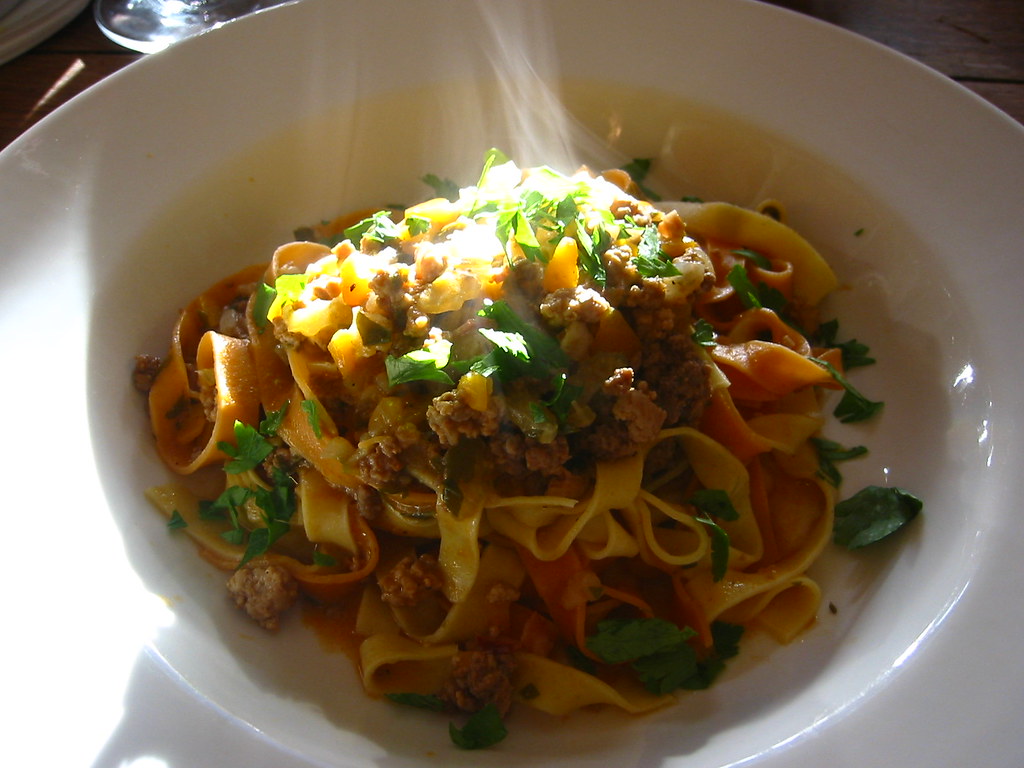
If you’re wondering what to eat in Bologna, start with four things: tagliatelle al ragù, tortellini in brodo, a few paper-thin slices of mortadella, and crescentine, the puffy fried dough served with cured meats. Eat them in an osteria, buy them in the old market streets off Piazza Maggiore, and you’ll understand why the city’s nickname is La Grassa, the fat one.
Bologna takes these dishes seriously. Its ragù and its tortellini filling have been formally deposited with the city’s Chamber of Commerce, so there’s an official version to measure every plate against.
Below you’ll find what each dish is, what makes the local version special, and a specific place to try it. Every place named here was checked against its own website or the city’s official tourism site, Bologna Welcome.
Key takeaways
- The Accademia Italiana della Cucina first deposited its ragù recipe with Bologna’s Chamber of Commerce in 1982 and filed an updated version in April 2023.
- Tortellini filling was registered in 1974: pork loin, ham, mortadella, Parmigiano, egg and nutmeg.
- Mortadella Bologna carries IGP (Protected Geographical Indication) status.
- The Quadrilatero, between Piazza Maggiore and the Two Towers, is the medieval market district.
- At Osteria del Sole, founded in 1465, you buy the wine and bring your own food.
Bologna’s essentials at a glance
Use this as a checklist. Most of these spots are within a short walk of Piazza Maggiore.
| Eat this | Try it at | Where |
|---|---|---|
| Tagliatelle al ragù | Osteria dell’Orsa | Via Mentana 1, university district |
| Tortellini | Sfoglia Rina | Via Castiglione 5/B |
| Mortadella and salumi | Tamburini; Salumeria Simoni | Via Caprarie 1; Via Drapperie 5/2a |
| A market wander | The Quadrilatero | Between Piazza Maggiore and the Two Towers |
| Picnic with wine | Osteria del Sole | Vicolo Ranocchi 1/d |
| Produce and a food court | Mercato delle Erbe | Via Ugo Bassi 25 |
Tagliatelle al ragù
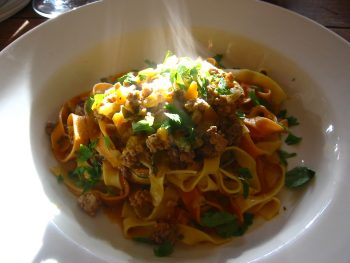
Outside Italy, “spaghetti bolognese” is the famous one. In Bologna, the sauce goes on egg tagliatelle, wide flat ribbons that grip a slow-cooked meat ragù. Bologna Welcome’s own tagliatelle al ragù recipe cuts the rolled pasta into 8 mm strips and notes that the dish is registered as a De.Co., a municipal mark of local identity.
The sauce has its own paper trail. According to the Bologna Chamber of Commerce, the Accademia Italiana della Cucina deposited its ragù recipe on 17 October 1982 and filed an updated version on 20 April 2023. The update allows whole milk, stirred in partway through cooking, and uses beef, fresh pork pancetta, tomato passata, a spoon of concentrate, wine, onion, carrot and celery. Garlic, rosemary and smoked pancetta are out.
Where to try it
Osteria dell’Orsa at Via Mentana 1 in the university district is a casual osteria whose menu highlights tagliatelle alla bolognese, tortellini and lasagne. It doesn’t take reservations, so arrive early or be ready to wait.
Tortellini in brodo
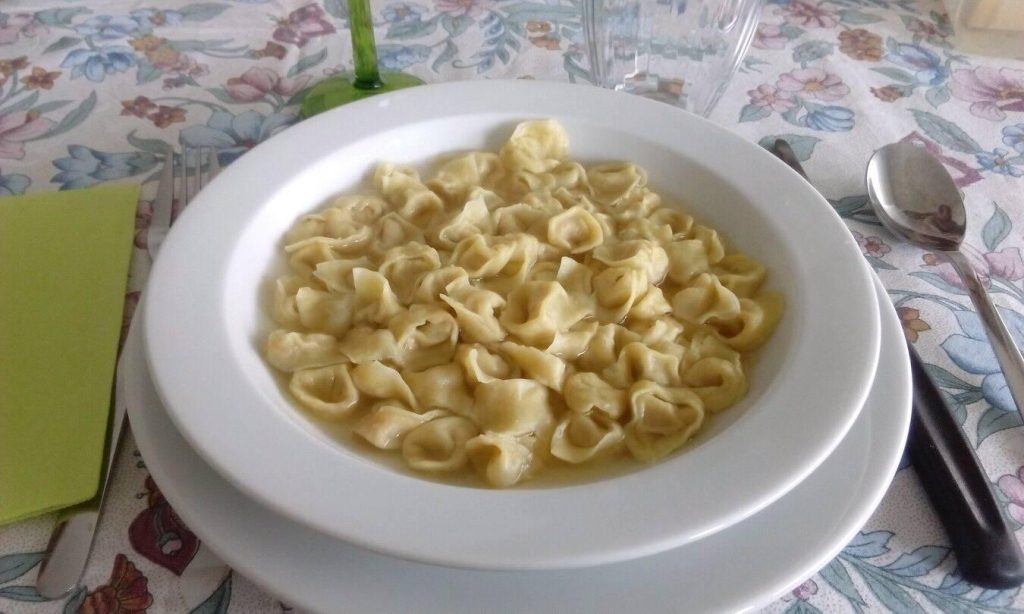
Tortellini are small rings of egg pasta wrapped around a rich meat filling, and the classic way to eat them is in brodo, floating in clear broth. Bologna Welcome’s tortellini in brodo recipe records that the Dotta Confraternita del Tortellino registered the filling at the Chamber of Commerce on 7 December 1974. It lists pork loin, ham, mortadella, Parmigiano, eggs and a scent of nutmeg, with a broth built on free-range capon and several cuts of beef.
Bologna Welcome describes the broth version as ideal for winter.
Where to try it
Sfoglia Rina, at Via Castiglione 5/B, grew out of a small pasta shop opened by a grandmother named Rina in 1963. Today it’s a fresh pasta workshop and restaurant making tortellini, tortelloni, tagliatelle and lasagne by hand.
In Bologna, the recipe isn’t a matter of opinion. It’s on file at the Chamber of Commerce.
Mortadella
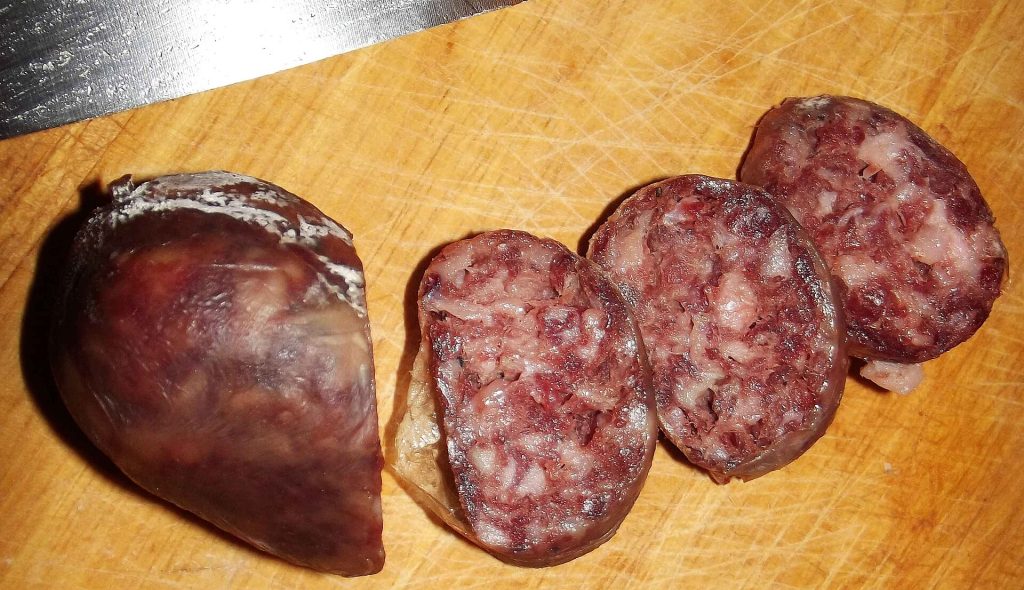
The real thing is Mortadella Bologna IGP, the city’s famous large pork sausage. Bologna Welcome notes that some versions add pistachios and that it’s often eaten in sandwiches. In the city, you’ll see it sliced wafer-thin for platters or cut into cubes to go with a glass of wine.
Where to buy it
- Tamburini, Via Caprarie 1, has been trading since 1932. It’s a deli for salumi, fresh pasta and cheese, with a wine bar and restaurant attached.
- Salumeria Simoni runs a traditional shop at Via Drapperie 5/2a, plus a restaurant, Laboratorio Simoni, at Via Pescherie Vecchie 3/b, built around classic Bolognese salumeria.
Ask for a mixed selection and let the counter staff choose. They’ll usually add Parmigiano Reggiano without being asked.
Crescentine and tigelle
Crescentine are pillows of fried dough that puff up in the pan and arrive hot, ready to be split and stuffed with mortadella, prosciutto or soft cheese. Bologna Welcome describes them as an aperitivo staple served with charcuterie boards.
Tigelle look similar but are cooked differently: they’re small flat bread rounds, and Bologna Welcome notes they originally come from Modena, another Emilia-Romagna city. You’ll find both on menus around Bologna. Names blur across the region, so if a menu offers either, order it with a board of salumi.
If you get hooked, our fried dough recipes are a good place to experiment at home.
The markets: Quadrilatero and Mercato delle Erbe
The Quadrilatero
The Quadrilatero is the old market district tucked between Piazza Maggiore and the Two Towers. Bologna Welcome traces its craft and trading tradition back to the Middle Ages and notes that many shops have been handed down through generations. Walk the narrow lanes around Via Drapperie and Via Pescherie Vecchie for fruit and vegetables, fresh pasta, cheese and salumi.
End with a stop at Osteria del Sole, Vicolo Ranocchi 1/d. Founded in 1465, it serves only wine and lets you bring your own food. Build a paper cone of cured meats and cheese from the shops nearby, order a glass, and grab a spot at one of the old wooden tables. Bologna Welcome calls that paper cone a scartoz. Filling one from the counters nearby, a little mortadella here and a wedge of Parmigiano there, is half the fun of the visit.
Mercato delle Erbe
West of the centre on Via Ugo Bassi, the Mercato delle Erbe is Bologna’s covered market. Bologna Welcome notes that the hall was inaugurated in 1949 after post-war rebuilding and has been declared a Historic Market. Stalls sell fruit, vegetables, meat, cheese and wine, and since 2014 part of the market has worked as a food court, handy for a casual lunch.
Looking for more trips planned around food? Browse our food travel guides, and when you’re home, the restaurant directory can help you find Italian cooking nearby.
FAQ
What is Bologna’s most famous dish?
Tagliatelle al ragù is the one most associated with the city. Tortellini in brodo and mortadella run close behind.
Is spaghetti bolognese from Bologna?
Locals serve ragù with egg tagliatelle, not spaghetti. The recipe deposited by the Accademia Italiana della Cucina is for the sauce, and the local dish pairs it with tagliatelle.
Can I bring food into Osteria del Sole?
Yes. The osteria serves wine and lets guests bring their own food, which is the whole point of a visit.
Does Osteria dell’Orsa take reservations?
No. Its website says it doesn’t accept reservations, so plan for a possible wait.
Plan a day of eating
For a single day, start with a morning walk through the Quadrilatero and pick up mortadella and cheese. Carry it to Osteria del Sole for a late-morning glass, have tortellini at Sfoglia Rina for lunch, and finish with tagliatelle al ragù at Osteria dell’Orsa. Then take the idea home with our slow-cooked ragù recipe.
Featured photo: Tagliatelle al ragu by WordRidden, BY 2.0.