The main difference in Prosecco vs Champagne is how the bubbles are made. Champagne gets its second fermentation inside each bottle and ages on the lees for at least 15 months, which gives it toasty, bready depth. Prosecco is usually refermented in large pressurized tanks, so it tastes fresher and fruitier. Cava, from Spain, uses Champagne’s bottle method with its own local grapes, often at a friendlier price.
They also come from different places, use different grapes, and follow different rules. Once you know the basics, a wine shelf full of sparkling bottles gets much easier to read.
Here’s a side-by-side table, then regions, grapes, methods, the sweetness terms that confuse everyone, price tiers and what to serve with each.
Key takeaways
- Champagne comes only from its region in northeast France; Prosecco from northeast Italy; Cava mostly from Spain.
- Champagne and Cava use the traditional method, with the second fermentation in the bottle.
- Most Prosecco is refermented in large sealed tanks, the Martinotti or Charmat method, for fresh fruit and floral notes.
- Extra Dry is sweeter than Brut: 12 to 17 grams of sugar per litre versus under 12.
- Non-vintage Champagne ages at least 15 months; the youngest Cava category, at least 9.
The three wines side by side
| Prosecco | Champagne | Cava | |
|---|---|---|---|
| Country | Italy (Veneto and Friuli Venezia Giulia) | France (Champagne region) | Spain |
| Main grapes | Glera | Pinot Noir, Chardonnay, Meunier | Macabeo, Xarel·lo, Parellada |
| Second fermentation | Mostly in large sealed tanks | In the bottle | In the bottle |
| Typical flavors | Pear, apple, white flowers, fresh | Citrus, red fruit, brioche, toast | Citrus, orchard fruit, nutty, savory |
| Minimum ageing | Released young | 15 months non-vintage; 3 years vintage | 9 months (Cava de Guarda) |
| Price tier | Budget to mid | Mid to luxury | Budget to premium |
| Best for | Aperitifs, spritzes, brunch | Celebrations, rich dishes | Tapas, weeknight fizz, fried food |
The details below come from each wine’s official body: the two Prosecco consortia, the Comité Champagne and the D.O. Cava regulatory council.
Regions and grapes
Prosecco: where it’s made
According to the Prosecco DOC consortium, the Prosecco DOC area covers nine provinces across two Italian regions: Treviso, Venice, Vicenza, Padua and Belluno in Veneto, and Gorizia, Pordenone, Trieste and Udine in Friuli Venezia Giulia. Inside that sits the smaller hill zone of Conegliano Valdobbiadene, which makes Prosecco Superiore DOCG, including the single-commune Rive wines and the Superiore di Cartizze sub-zone.
Champagne: where it’s made
Only wine from the Champagne appellation can be called Champagne. The Comité Champagne puts the vineyard at around 34,200 hectares across five French departments, Marne, Aube, Aisne, Haute-Marne and Seine-et-Marne, taking in 319 crus, or winegrowing villages.
Cava: where it’s made
Cava is a designation of origin rather than a single region. The D.O. Cava divides it into four zones: Comtats de Barcelona, Valle del Ebro, Viñedos de Almendralejo and Zona de Levante.
Prosecco: Glera
Prosecco DOC is made mainly from Glera, a white grape that the consortium credits with the wine’s floral and fruity character. The consortium allows up to 15% of certain other varieties, including Verdiso, Bianchetta Trevigiana, Perera and several Pinots.
Champagne: three main grapes
The Comité Champagne’s grape varieties page gives the plantings as Pinot Noir 38%, Chardonnay 31% and Meunier 31%. Pinot Noir brings body and red-fruit aromas, Chardonnay freshness and citrus, and Meunier roundness and supple fruit. Five minor varieties are also permitted, but together they cover only 0.3% of the vineyard.
Cava: the Catalan trio
The D.O. Cava’s list of authorized grapes names Macabeo, Xarel·lo and Parellada as the classic blend. Macabeo is the most planted and gives light, floral wine; Xarel·lo adds body and a distinctive character; Parellada brings refinement and freshness. Chardonnay is also authorized, and rosé Cava can use Garnacha, Trepat, Pinot Noir and Monastrell.
Bottle vs tank: how the bubbles get there
All three start as still wine. The bubbles come from a second fermentation, when yeast and a little sugar are added and the carbon dioxide is trapped. Where that happens changes the taste.
The traditional method: Champagne and Cava
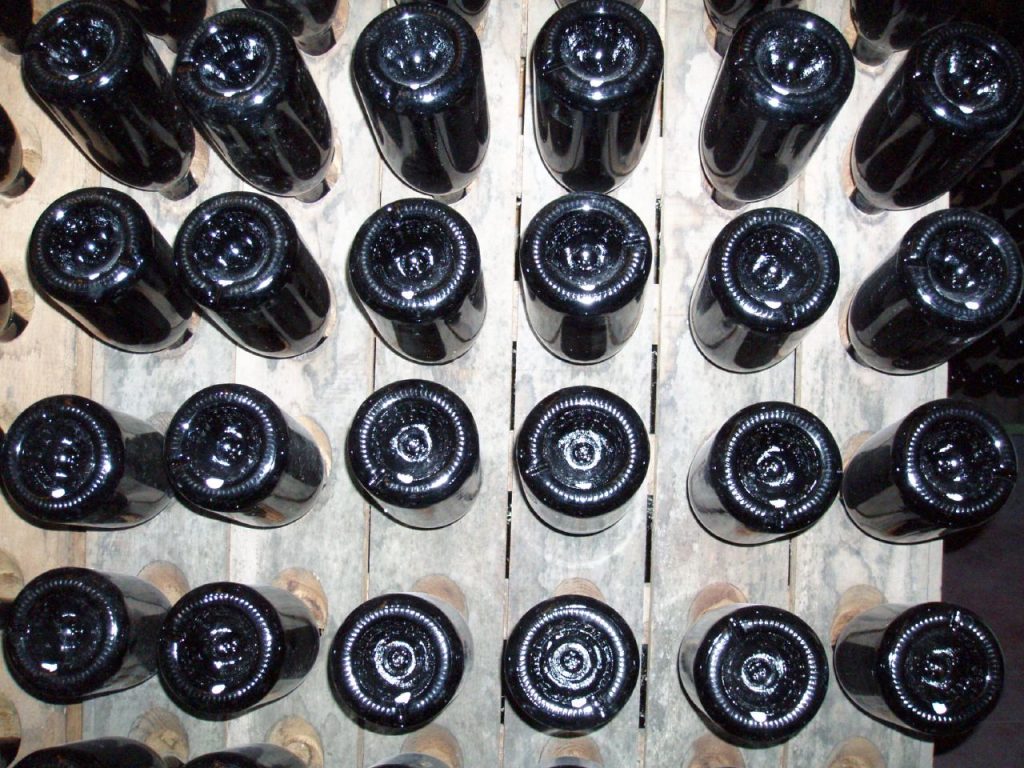
In Champagne, the second fermentation takes place in each bottle, a stage known as the prise de mousse. The wine then rests on the spent yeast, called lees, which adds the bready, brioche-like notes Champagne is known for. The Comité Champagne sets a minimum of 15 months in the cellar for non-vintage wines and 3 years for vintage.
Cava uses the same traditional method. The D.O. Cava sets minimum ageing by category: at least 9 months for Cava de Guarda, and for Cava de Guarda Superior, more than 18 months for Reserva, 30 months for Gran Reserva, and more than 36 months for Cava de Paraje Calificado. Longer ageing means more toasty, nutty depth.
The tank method: Prosecco
Most Prosecco uses the Martinotti method, also known as Charmat, with the second fermentation in large sealed tanks called autoclaves. The Prosecco DOC consortium says this gives the wine its distinctive floral and fruity notes. It’s quicker, keeps the grape’s aromas front and center, and is part of why Prosecco usually costs less. The Conegliano Valdobbiadene DOCG also recognizes Sui Lieviti, a traditional style refermented in the bottle and left with its sediment.
Bottle fermentation builds toast and depth. Tank fermentation protects fruit and freshness. Neither is better; they’re built for different moments.
Reading sweetness labels
Sweetness words on sparkling wine labels run backward from what most people expect. “Extra Dry” is not the driest option. It’s sweeter than Brut.
| Label term | Sugar per litre (Champagne and Cava rules) | How it tastes |
|---|---|---|
| Brut Nature | 0 to 3 g | Bone dry, very crisp |
| Extra Brut | 0 to 6 g | Very dry |
| Brut | Under 12 g | Dry; the most common style |
| Extra Dry (Extra Seco) | 12 to 17 g | Off-dry, a touch of softness |
| Sec (Seco) / Dry | 17 to 32 g | Noticeably sweet |
| Demi-Sec (Semi Seco) | 32 to 50 g | Sweet; good with dessert |
| Doux (Dulce) | Over 50 g | Very sweet |
The figures come from the Comité Champagne and D.O. Cava, which use the same bands. The Conegliano Valdobbiadene consortium lists Brut Nature, Extra Brut, Brut, Extra Dry and Dry among its Prosecco Superiore styles. If you want a bone-dry bottle of any of the three, look for Brut Nature or Extra Brut on the label.

Price tiers and food pairings
Price tiers
Prices vary by country and shop, so think in tiers. As a rule, the tank method and shorter ageing keep Prosecco and entry Cava at the budget end. Champagne’s long ageing puts even its entry bottles in the mid tier.
- Budget: Prosecco DOC and young Cava de Guarda. Great for spritzes, mimosas and big gatherings.
- Mid: Prosecco Superiore DOCG, Rive bottlings, Cava Reserva, and entry non-vintage Champagne.
- Premium: Cartizze, Cava Gran Reserva and Paraje Calificado, grower Champagne and vintage Champagne.
Aged Cava is one of the best-value swaps for Champagne: the same bottle method, with long ageing, often at a lower price.
Food pairings
- Prosecco: light and fruity, it suits antipasti, prosciutto and melon, fresh cheeses, lightly spiced dishes and brunch. An Extra Dry bottle softens a little heat.
- Champagne: its acidity and toasty depth handle richness: oysters, smoked salmon, roast chicken, buttery pastry, and anything fried. The Comité Champagne recommends serving it at 8 to 10°C.
- Cava: made for tapas. Try it with jamón, fried calamari, Marcona almonds, patatas bravas and Manchego.
Pouring at home? Pair your bottles with easy party appetizers. Going out to celebrate instead, our restaurant directory can help you find a spot with a good wine list.
FAQ
Is Prosecco sweeter than Champagne?
Not necessarily. It depends on the label: an Extra Dry Prosecco is sweeter than a Brut Champagne, but a Brut Prosecco and a Brut Champagne sit in the same sugar band.
Is Cava made the same way as Champagne?
Yes. Both use the traditional method, with the second fermentation in the bottle. The grapes, regions and ageing rules differ.
Can I use Prosecco instead of Champagne in cocktails?
Yes. Its fresh fruit suits mimosas, spritzes and bellinis, and it is usually more affordable.
What does Brut mean on a label?
Dry. Under Champagne and Cava rules, Brut means under 12 grams of sugar per litre.
Try a three-bottle tasting
The fastest way to learn the difference is to taste it. Buy a Brut Prosecco, a Cava Reserva and a non-vintage Brut Champagne, chill them together, and pour them side by side with some salty snacks. Note which one you reach for twice. For more on what to pour this season, browse our wine and drinks guides or read our wine pairing basics.
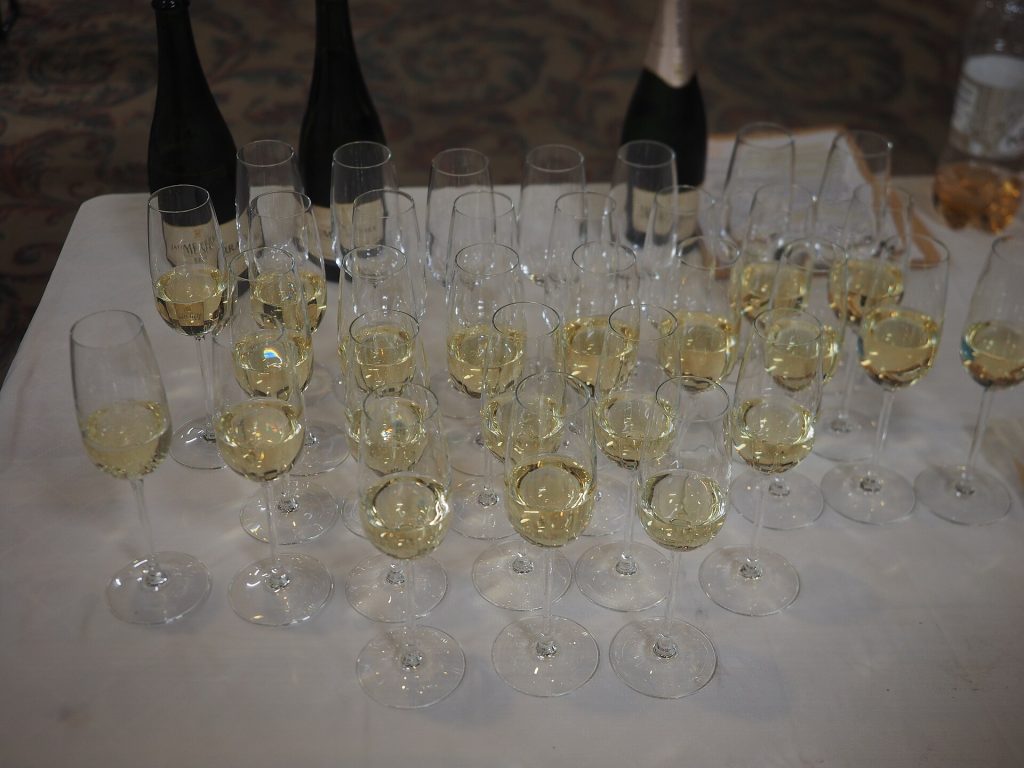
Featured photo: Glasses of sparkling wine in Katajanokka in October 2025 by JIP, BY-SA 4.0.