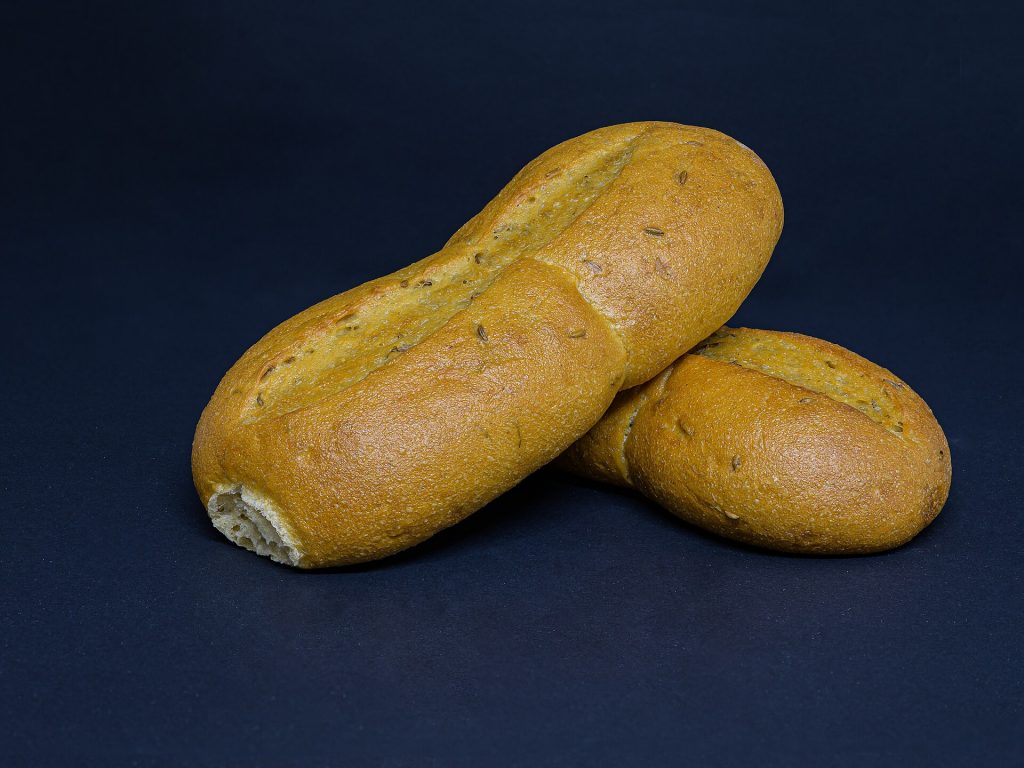
Good homemade dinner rolls come from an enriched dough: flour, yeast and salt softened with warm milk, butter, an egg and a little sugar. Knead it until it stretches thin without tearing, let it double, shape it into tight balls, let those puff again, and bake until the centers reach about 190°F. That’s the whole method, and every step can be paused in the fridge or freezer.
Rolls feel fussy because most of the time is waiting. Hands-on work is maybe 30 minutes spread across an afternoon, and none of it needs special skill.
Below is a reliable recipe for a pan of 12, the signs to look for at each stage, and three ways to make the dough ahead so the oven is the only thing you think about on the day.
Key takeaways
- Warm the milk to 105 to 115°F; hotter liquid can kill yeast, cooler liquid just slows it down.
- Knead until the dough is smooth and elastic and passes the windowpane test.
- Let the dough double on the first rise, then shape tight balls and let them puff for the second.
- Bake at 375°F until golden and about 190°F in the center for soft, tender rolls.
- Shaped rolls can rise overnight in the fridge, or be frozen for up to a month with a little extra yeast.
In this guide
- Ingredients for 12 soft rolls
- Mix and knead until the dough passes the windowpane test
- First rise, shaping and second rise
- Baking to the right internal temperature
- Make-ahead options: fridge and freezer
- FAQ
- Plan your bake backwards from dinner
Ingredients for 12 soft rolls
This dough is lightly sweet and rich, which is what gives dinner rolls their soft, pull-apart crumb. It makes 12 rolls in a 9×13-inch pan.
- 1 cup (240 ml) whole milk
- 4 tablespoons (57 g) unsalted butter, softened, plus 1 tablespoon melted for brushing
- 3 tablespoons sugar
- 2 1/4 teaspoons (one packet) instant or active dry yeast
- 1 large egg, at room temperature
- 1 1/4 teaspoons fine salt
- 3 1/4 to 3 1/2 cups (390 to 420 g) all-purpose or bread flour
Why each enrichment matters
Milk, butter, sugar and egg are what separate a dinner roll from a crusty lean loaf. Iowa State University Extension explains that sugar feeds the yeast and adds tenderness, moisture and browning, while fat adds flavor and tenderness and helps bread stay fresh longer. The egg brings richness and a golden color.
Bread flour gives slightly taller, chewier rolls. All-purpose gives a softer, more cake-like crumb. Both work, so use what you have.
Handling yeast
Iowa State Extension puts the sweet spot for yeast at lukewarm, 105 to 115°F. Yeast works slowly when it’s cool and dies when the liquid is too hot, so an instant-read thermometer is worth using here. If you don’t have one, the milk should feel just warm on your wrist, never hot.
- Instant yeast can go straight in with the flour.
- Active dry yeast is happiest stirred into the warm milk with a pinch of the sugar for 5 to 10 minutes until foamy. If nothing happens, the yeast is old; start again with fresh.
Mix and knead until the dough passes the windowpane test
- Warm the milk. Heat the milk with the softened butter until the butter mostly melts, then let it cool to 105 to 115°F.
- Combine. In a large bowl, whisk 3 cups of the flour with the sugar, salt and yeast. Add the warm milk mixture and the egg and stir into a shaggy dough.
- Knead. Turn it out onto a lightly floured counter and knead by pushing the dough away with the heel of your hand, folding it back and turning it a quarter turn. Add the remaining flour a tablespoon at a time only if the dough sticks badly. It should stay soft and a little tacky.
- Keep going. Iowa State Extension says hand kneading usually takes 8 to 10 minutes, until the dough is smooth, elastic and satiny with small air blisters under the surface. A stand mixer with a dough hook gets there in about half the time on medium-low speed.
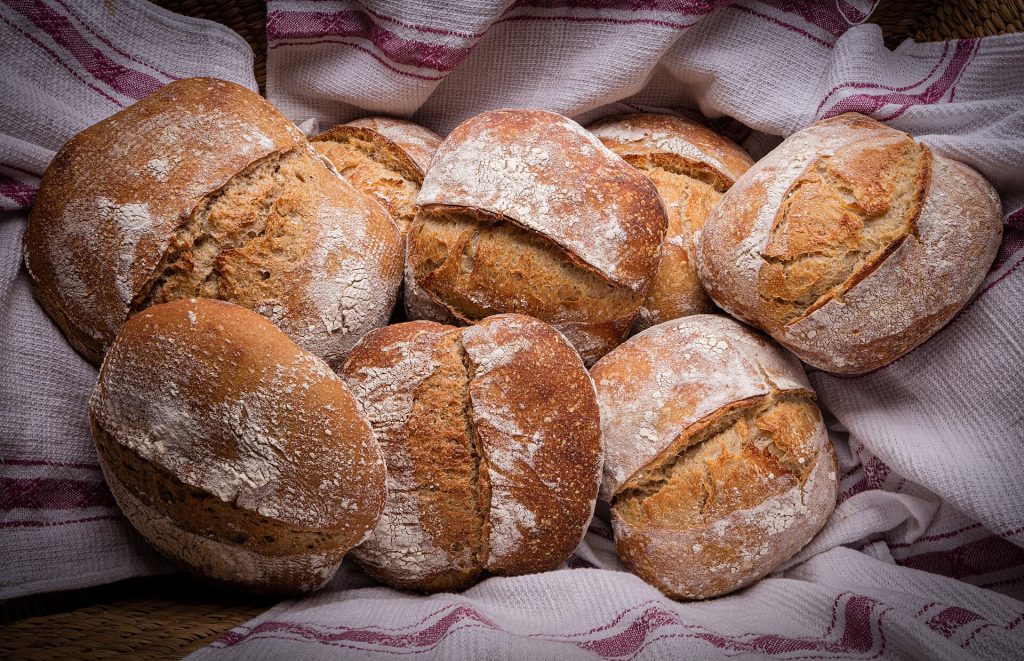
The windowpane test
Pinch off a walnut-sized piece of dough and stretch it gently between your fingers, rotating as you go. If it thins into a translucent sheet you can almost see light through before it tears, the gluten is well developed. If it rips early with ragged edges, knead for 2 more minutes and test again.
Gluten is the network that holds the gas the yeast produces. Well-kneaded dough traps that gas, which is why the rolls rise high and bake up light instead of dense.
Soft rolls are built in the kneading. The windowpane test tells you when the dough is ready to hold its rise.
First rise, shaping and second rise
First rise
Shape the dough into a ball, put it in a lightly greased bowl and cover it. Iowa State Extension notes that in a warm spot, above 75°F, dough typically doubles in about 45 to 60 minutes. A cooler kitchen will take longer, which is fine and even adds flavor.
To check, press a floured fingertip about half an inch into the dough. If the dent fills back slowly, it’s ready. If it springs back fast, give it more time.
Shaping
- Press the air out gently and turn the dough onto an unfloured counter. A little friction helps shaping.
- Divide it into 12 equal pieces. A kitchen scale makes this quick: weigh the whole dough and divide by 12.
- Cup your hand over each piece and roll it in small circles against the counter until it tightens into a smooth ball with a taut surface.
- Set the balls seam-side down in a buttered 9×13-inch pan, in three rows of four, with small gaps between them.
Second rise
Cover the pan and let the rolls rise until they’re puffy and touching, usually 30 to 45 minutes at warm room temperature. Heat the oven to 375°F while they finish. A gently poked roll should spring back slowly and leave a slight dent.
Baking to the right internal temperature
Bake the rolls on the middle rack at 375°F for 15 to 20 minutes, rotating the pan halfway, until the tops are golden. Color alone can mislead with an enriched dough, which browns early because of the sugar, milk and egg.
A thermometer takes out the guesswork. King Arthur Baking says most loaves and rolls are done at 190°F in the center. In its tests, buns pulled at 190°F or a little below stayed soft, tender and moist at room temperature, and it suggests stopping at pale gold if you plan to serve rolls later or reheat them. It also recommends reducing the target by about 5°F at high altitude.
| Stage | What to look for | Typical time |
|---|---|---|
| Kneading | Smooth, elastic, passes the windowpane test | 8 to 10 minutes by hand |
| First rise | Doubled; a fingertip dent fills slowly | 45 to 60 minutes in a warm spot |
| Second rise | Puffy, touching, slow spring-back | 30 to 45 minutes |
| Baking | Golden tops, about 190°F in the center | 15 to 20 minutes at 375°F |
Brush the hot rolls with melted butter as soon as they come out, then leave them in the pan for 10 minutes before pulling them apart. A pinch of flaky salt on top is a nice touch.
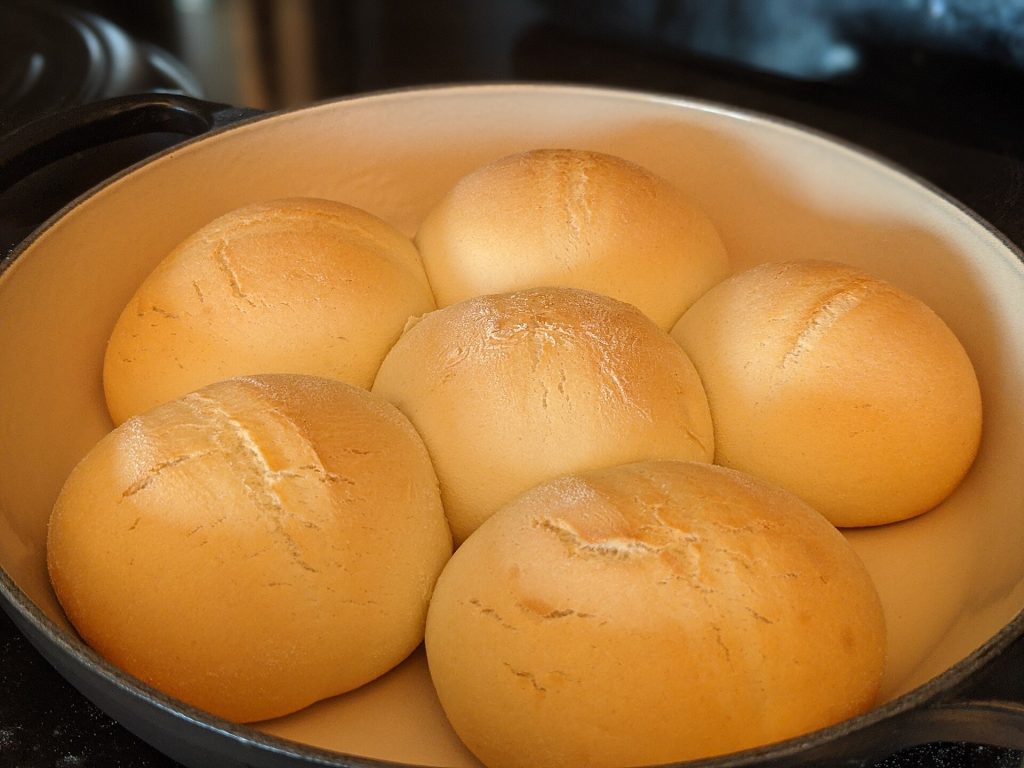
Make-ahead options: fridge and freezer
Dinner rolls are one of the easiest things to make ahead, which is why they turn up on so many holiday tables.
Overnight in the fridge
Shape the rolls, cover the pan well and refrigerate. King Arthur Baking suggests 8 to 12 hours for a refrigerated rise, with dough lasting up to about 16 hours before overproofing becomes a risk. Next day, let the pan sit on the counter while the oven heats. If the rolls haven’t puffed much in the fridge, give them up to an hour at room temperature before baking.
You can also refrigerate the dough after kneading instead and shape it the next day. Cold dough is firm and easy to handle, and the pieces warm up quickly as you roll them.
Freezing unbaked dough
Iowa State Extension recommends freezing dough either after kneading or after the first rise, and says the point between the first and second rise works best. Its method:
- Add an extra 1/4 to 1/2 teaspoon of yeast per 3 cups of flour, because freezing kills some yeast cells.
- Shape the dough into balls, then flash-freeze them on a tray for 1 to 2 hours.
- Move the firm balls into freezer bags or airtight containers and keep them covered.
- Use within 1 month for best results.
- Thaw in the fridge (8 to 16 hours) or, for dinner rolls in a warm spot, allow about 1 1/2 to 2 hours to thaw and double.
The same guidance warns against overproofing thawed dough, which is more fragile and can collapse. Bake as soon as the rolls look puffy.
Freezing baked rolls
Baked rolls freeze well too. Cool them completely, wrap them tightly, and freeze. Thaw in their wrapping, then warm in a low oven for a few minutes. Underbaking slightly, as King Arthur suggests for rolls you’ll reheat, keeps them from drying out the second time around.
Rolls this soft make the best leftover turkey sandwiches the day after a holiday meal.
FAQ
Why are my rolls dense?
Usually too much flour, underkneading, or cutting a rise short. Keep the dough slightly tacky, knead until it passes the windowpane test, and wait for the dough to actually double rather than watching the clock.
Can I use a bread machine or stand mixer?
Yes. Either will mix and knead the dough. Shape, rise and bake by hand as described above for the best results.
How do I get even, same-size rolls?
Weigh the dough and divide by 12, then weigh each piece. It takes two minutes and every roll bakes at the same rate.
Can I make them without eggs?
You can replace the egg with an extra 3 to 4 tablespoons of milk. The rolls will be a little less rich and paler, but still soft.
Plan your bake backwards from dinner
Pick when you want rolls on the table and count back: about 20 minutes to bake, 45 for the second rise, an hour for the first, and 20 to mix and knead. For a stress-free holiday, make the dough the night before and let the fridge do the waiting. Find more breads and bakes in our recipe collection, or pair these with a pot of homemade soup.
Featured photo: Almtaler Zwieballen Mittermair Scharnstein-3374 by Isiwal, BY-SA 4.0.