How well a pizza restaurant does-whether it’s a busy downtown shop or a small neighborhood place-depends on several things working together. It’s more than making dough and sauce. Sales can be affected by ingredient quality, how fast service runs, and how the restaurant stands out in a crowded market.
Knowing what drives sales and improving those areas helps restaurants grow and stay profitable in an industry worth close to $46 billion in the U.S. For example, even improving your pizzeria menu boards can change how customers interact with your menu and how much they order.
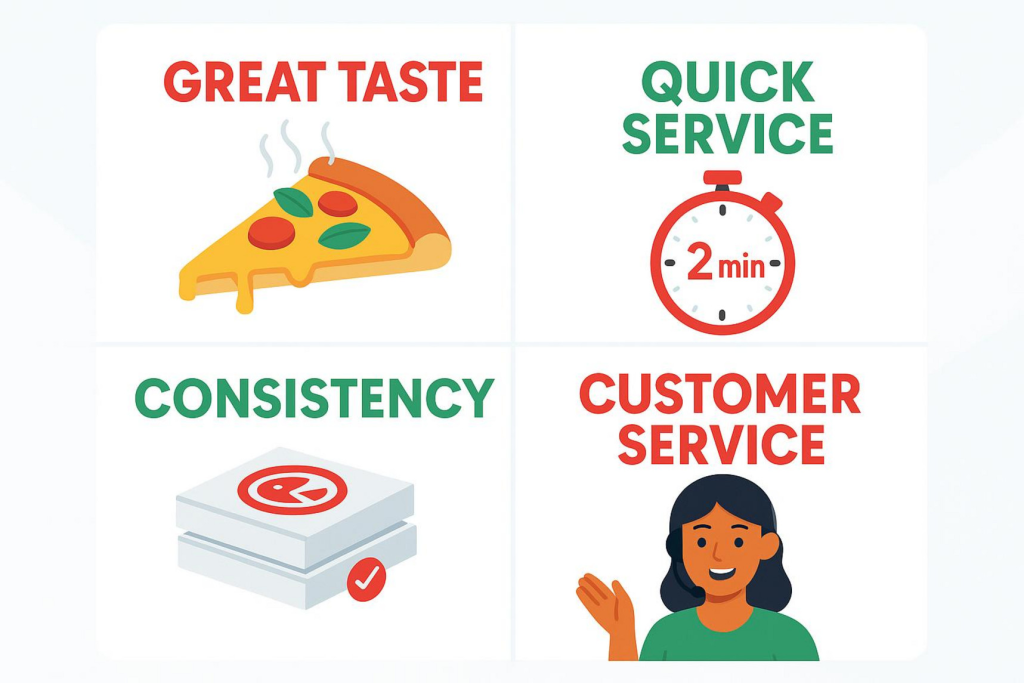
A sign outside or a good deal might bring someone in once, but the full experience is what makes them return. Strong pizza restaurants, whether independent or part of a chain, focus on the customer and make choices with the guest in mind. This customer-first approach is built on four main pillars: great taste that brings people back, quick and smooth service from order to delivery, steady consistency in food and interactions, and high-quality customer service that makes guests feel welcome. If one pillar slips, overall results can suffer.
Why Do Sales Trends Matter for Pizza Restaurants?
Pizza is a competitive business, so paying attention to sales trends and market shifts is a must if you want to grow and stay in business. Customer preferences change often. In the U.S., pizza ordering rose from 59.5 million people in 2015 to 69.7 million in 2020, partly because craft pizza became more popular and lets customers build their own pies with lots of topping choices. That jump shows why it helps to watch trends early-restaurants that adjust faster can stand out.
Local taste matters too. A pizza style that sells well in a big city might not do as well in a smaller town, and the opposite can be true. Learning what people in your area prefer-and what level of service they expect-helps owners make better decisions, especially if they plan to open more locations.
Knowing these local details also helps suppliers and data teams create more personal strategies that fit each market and connect with the right customers.
Common Challenges Affecting Pizza Restaurant Revenue
Even a busy pizzeria with loyal customers can see profits shrink. This often comes from common problems that cut into revenue. One major issue is rising ingredient costs. Using good ingredients is important for taste, but keeping costs under control is a careful balancing act that affects profits. Labor costs can also be a big challenge, since payroll can take a large share of revenue if schedules and staffing are not handled well.
On top of direct costs, daily operations can waste money in quiet ways. Food waste from ordering too much, poor inventory tracking, or menu items that don’t sell well can eat into margins. Customer expectations are also rising, especially for speed and consistency, which means restaurants have to keep improving to stay competitive.
These challenges call for active financial tracking and smarter operations and marketing to protect the typical pizza industry margin of about 10% to 20%.
Menu Quality and Ingredient Selection
A successful pizza restaurant is built on menu quality, especially the ingredients. A pizza can only taste as good as what’s used to make it. That’s why careful ingredient choices and steady cooking standards matter-they help build a reputation for pizza that people remember and choose over competitors.
How Does Ingredient Quality Affect Customer Satisfaction?
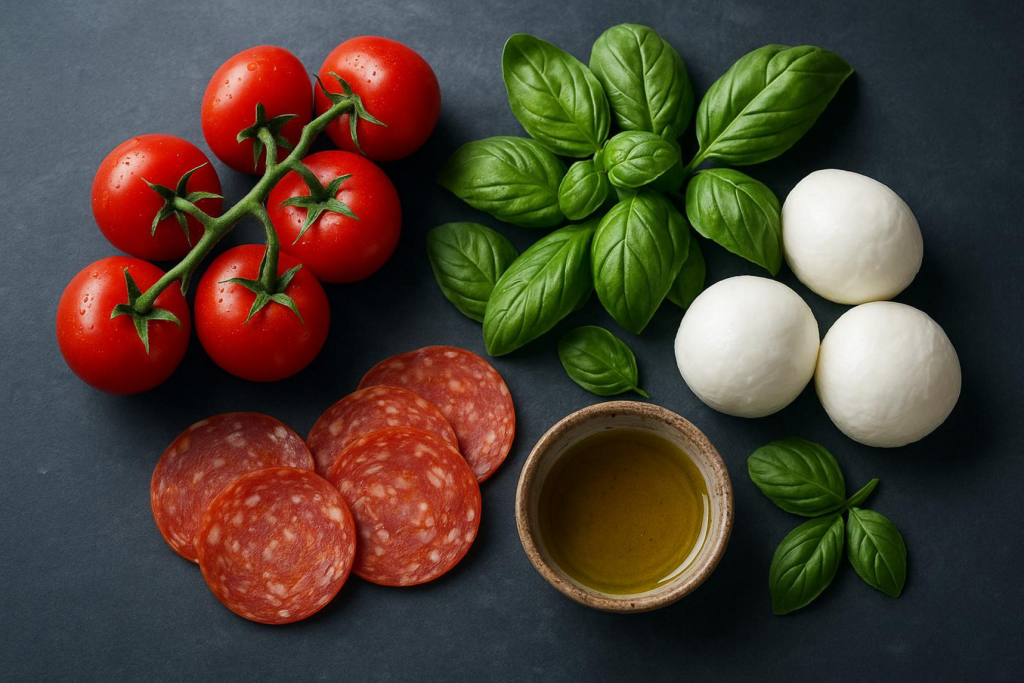
Ingredient quality directly affects customer happiness and repeat visits. Many customers can taste when ingredients are better. That starts with finding reliable suppliers for basics like flour, cheese, meats, and produce. When possible, buying from local farms or specialty makers can improve freshness and flavor, which shows up in the final pizza.
Higher-end toppings-like San Marzano tomatoes, whole-milk mozzarella, or richer sausage-may cost more, but they often lead to stronger loyalty and more word-of-mouth referrals.
The crust is the base of every great pizza, so it needs extra care. Restaurants should spend time building and improving dough recipes to get the right texture, flavor, and consistency. Testing hydration, fermentation time, and oven temperature can help create a crisp outside and soft inside. It also helps to standardize sauce recipes and topping portions so every pizza matches expectations. Quality checks during each step-from proofing dough to bake time-help keep results steady. Clear recipe guides and trained staff help each pizza come out looking and tasting the same, which builds customer trust.
Menu Variety and Its Role in Attracting Different Customers
Quality matters most, but variety helps bring in more people. Customers like choices, and a wider menu can attract a wider audience. More toppings, sauces, and add-ons let guests customize their pizza. Adding unique combinations or seasonal specials can also create excitement and give people something new to try and talk about.
Many customers also care more about health than they used to, and they often prefer fresh and locally sourced items. Adding vegan, gluten-free, and organic options is not just for small groups-it helps you reach more customers and increase sales. Expanding beyond pizza can also raise the average order size. Items like salads, calzones, craft sodas, or local beers can add more value.
Desserts and cold drinks-like offering commercial ice cream or slush options-can improve the visit and create easy upsell chances, turning a pizza shop into a fuller dining stop.
Pricing Strategies and Cost Control
Running a pizza restaurant means understanding pricing and keeping costs in check. You need to give customers a fair deal while still keeping profit margins healthy. Getting this balance right helps you attract customers, keep them coming back, and protect the restaurant’s finances.
Balancing Food Costs and Competitive Pricing
Setting pizza prices is a business decision that should match both local competition and your real costs. If prices are too low, profit disappears fast. If prices are too high, customers may choose another place. A good pricing plan keeps you competitive while covering expenses and leaving enough profit. Ingredient costs matter a lot here.
Strong supplier relationships can lead to better pricing, and buying shelf-stable items in bulk can lower costs and prevent running out during busy times. Reducing food waste also helps protect gross profit. Good inventory systems and using older stock first help prevent spoilage and stretch every dollar.
Labor is another major cost that can quickly cut into profit. Smarter scheduling-adding more staff when busy and fewer when slow-helps control payroll. Training staff well can also speed up work, which can reduce the number of people needed per shift. Improving kitchen flow, like organizing prep and topping stations, can increase output and lower labor cost per pizza.
Overhead costs like rent, utilities, and insurance also deserve regular review. Negotiating lease terms, using energy-saving options like LED lighting, and shopping around for insurance can lead to real savings and help maintain the typical 10% to 20% profit margin seen in the pizza industry.
What Is the Impact of Promotions and Discounts on Sales?
Discounts and promotions can increase sales when used with a plan. Testing deals like “Happy Hour Pizza,” student discounts, or family bundles can build interest and encourage purchases. These offers can bring in new customers and also push current customers to visit more often or order more. But the math has to work-discounts should not cut so deep that you lose money.
Loyalty programs are another strong option. Rewarding repeat customers can increase visit frequency and average ticket size. If you collect customer info through loyalty signups or email newsletters, you can send more personal offers that feel relevant. A mix of fair pricing, smart promotions, and loyalty rewards helps a pizzeria stay competitive and keep sales growing.
Location, Ambiance, and Accessibility
Sales are not driven by food alone. The space itself also shapes how people feel about the restaurant. Location, the atmosphere inside, and how easy it is to visit or pick up food all affect how well a pizza shop performs.
How Does Location Influence Customer Footfall?
In restaurants, location makes a big difference. A spot with lots of foot traffic or car traffic helps increase visibility and bring in customers without as much effort. Being near bars, theaters, or office buildings can also create steady demand. Parking matters too, as does easy access for delivery drivers, because convenience impacts both dine-in and takeout orders. At the same time, too many pizza places in one area can split the customer base and increase competition, making it harder to win market share.
Restaurant Design and Customer Experience
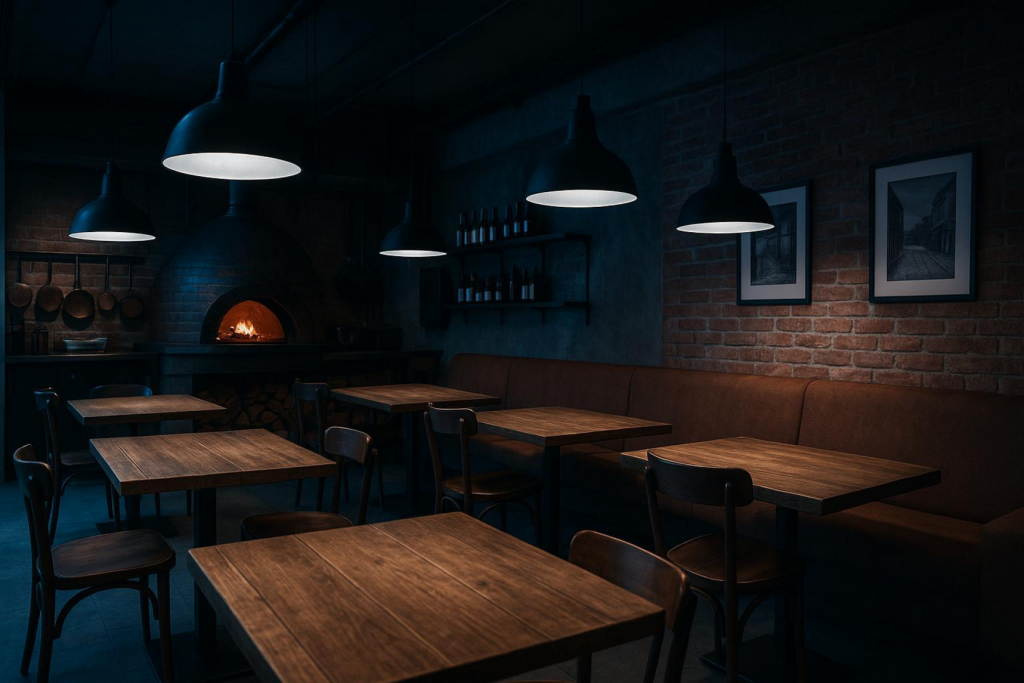
After customers arrive, the interior experience shapes how they feel about the visit. Comfortable seating, warm lighting, and décor that matches the restaurant’s style can make the space feel welcoming. An open kitchen or visible pizza oven can show off how the food is made and bring energy into the room. Digital menu boards and in-room displays from Look Digital Signage can further enhance the atmosphere and keep customers informed.
Cleanliness, good airflow, and strong ventilation also matter, since unwanted smells can push customers away. If the space allows, outdoor seating or a pickup window can add convenience and support both dine-in and takeout sales.
Parking, Delivery Zones, and Convenience
Convenience matters more than ever, especially for takeout and delivery. Easy parking for pickup customers helps reduce friction, and clear delivery zones help drivers move quickly. A good location supports dine-in business while also making takeout and delivery run smoother, which are now major income sources for many pizzerias. A smooth flow from order to pickup or drop-off affects customer satisfaction. A location that is easy for in-house drivers and third-party drivers can also improve delivery speed and the overall delivery experience.
Service Speed, Consistency, and Accuracy
Great taste helps, but it’s often not enough by itself. Customers also want a fast, smooth, and correct experience. Speed, consistency, and accuracy build trust and loyalty, and they strongly affect repeat visits.
Order Processing Time: Dine-In, Delivery, and Carryout
Customers want ordering to feel easy and want their food ready on time, whether they dine in, pick up, or get delivery. Ticket time is a key metric because it affects how many orders a shop can handle and whether customers choose to return. The Intouch Insight 2026 Pizza Delivery & Carryout Report shows that carryout is still faster on average at 18 minutes and 10 seconds, compared to 36 minutes and 31 seconds for delivery.
In 2026, what matters most isn’t just speed-it’s hitting the time you promised. The study shows delivery satisfaction drops fast after total wait time passes about 40 minutes, falling to 37% when delivery estimates are missed. Brands with live in-app tracking had a 10.6 percentage point better rate of meeting delivery time estimates, showing that clear communication helps. Carryout customers are more forgiving: satisfaction stayed at 61% even when prep times were missed. But for delivery, breaking time promises damages trust much more.
How Does Order Accuracy Influence Repeat Business?
Accuracy matters as much as speed and taste. A customer perception survey found that 30% of North American customers said accuracy was the most important delivery factor, right behind food arriving hot (31%). Even a small mistake can frustrate a customer and make them think twice about ordering again. In the Intouch Insight 2026 study, Marco’s Pizza was the only brand to score 100% order accuracy, showing it is possible.
The study also found that automation was linked with higher accuracy: fully automated calls reached 95% accuracy, and semi-automated calls reached 97.8%. But there was a tradeoff. Overall satisfaction dropped by 5.7 percentage points when orders went through automated phone systems compared to orders taken fully by staff. This points to a balance: technology can reduce mistakes, but the human element still affects how customers feel. Simple habits like repeating the order back and giving realistic wait times for pickup and delivery help improve accuracy and set expectations, which supports repeat business.
Staff Recruitment, Training, and Retention
A pizza restaurant’s results are strongly tied to the people working there. Staff represent the brand and shape nearly every customer interaction. Putting time and money into hiring, solid training, and keeping good employees is an investment in the restaurant’s future.
Why Does Employee Morale Impact the Customer Experience?
A team that feels motivated and knows what they’re doing is the base of a good customer experience. When employees feel respected and supported, they usually make better food, work faster, and create a better mood in the restaurant. It starts with hiring people who truly like food and customer service. Then training matters: onboarding should cover dough work, recipes, the POS system, and service steps, so everyone understands the job and the standards.
Morale also depends on whether staff feel valued. Cross-training (prep, oven, counter) builds a flexible team and keeps work from feeling repetitive. Regular meetings for feedback and recognition, plus rewards like bonuses or shout-outs, can improve morale. Friendly service-greeting guests and personalizing the experience-turns first-time diners into loyal customers. A positive experience encourages 39% of foodservice guests to spend more, 41% to recommend the restaurant, and 60% to dine more often. On the other hand, lower attentiveness (like staff being distracted by personal phones) can hurt customer impressions, as noted in the 2026 Intouch Insight report.
Reducing Turnover and Building a Skilled Team
High turnover costs money through hiring, training, and the lost productivity that comes with new staff. That’s why retention matters. Supporting career growth through workshops and clear promotion paths shows employees you want them to succeed, which can help them stay longer. A steady, skilled team makes fewer mistakes, keeps food and service more consistent, and understands regular customers better. When employees see a future with the business, they often become stronger brand supporters. By focusing on staff well-being and skill growth, pizzerias can build a strong team that delivers the level of quality needed for long-term success.
Marketing, Branding, and Customer Engagement
In a crowded market, having great pizza alone won’t always win. Marketing, brand identity, and steady customer engagement help bring in traffic, build loyalty, and keep your pizzeria in customers’ minds.
Effective Promotional Strategies and Seasonal Campaigns
Standing out starts with having a clear concept and a brand story people can understand. Maybe the focus is classic Neapolitan pizza, Detroit-style squares, or creative dessert pizzas. Whatever it is, it should show up in décor, uniforms, and marketing. Signature pizzas that customers can’t get anywhere else-like a seasonal harvest pizza or a fusion-style pie-give people a reason to choose your shop. Adding extra menu items such as salads, calzones, craft sodas, or local beers can also help raise the average ticket.
Promotions also help bring in and keep customers. Deals like “Happy Hour Pizza,” student discounts, or family bundles can target specific groups. Supporting local events, sports teams, or fundraisers shows you care about the community and increases name recognition. Loyalty programs and email newsletters also let you send personal offers that support repeat visits. Using both online and offline marketing helps the restaurant stay visible and appealing.
Leveraging Social Media, Reviews, and Community Involvement
Today, an online presence is required. A mobile-friendly website and active social media pages help reach new customers. Instagram and TikTok are strong options for showing pizzas, sharing behind-the-scenes videos, posting deals, and highlighting customer feedback. Talking with customers online helps build a community and makes the business feel more human.
Working with delivery platforms and improving your listings with good photos and clear descriptions can also extend your reach. Local SEO, like keeping your Google Business Profile updated and asking customers for reviews, helps you show up in local search results. Reviews also offer feedback and build trust. Responding to reviews, fixing issues, and thanking customers can strengthen your reputation and show you care. Community involvement through sponsorships or partnerships also brings positive attention and helps the pizzeria feel like part of the neighborhood.
Building Brand Loyalty and Repeat Visits
Keeping a consistent brand look and voice-across the menu, website, and social media-helps customers recognize and remember you. A clear logo, consistent colors, and a steady message can make a pizzeria feel familiar and dependable. Loyalty programs encourage repeat visits by rewarding customers for coming back. Beyond discounts, sharing customer stories and building a sense of community can deepen loyalty.
Brand loyalty comes from delivering what you promise every time: great food, strong service, and a good overall experience. When people feel connected to a brand, they often tell others and bring in new customers through word of mouth. That long-term connection is what helps a pizza restaurant grow year after year.
Technology and Order Fulfillment Solutions
Technology now plays a big role in pizza shop profits and daily operations. From how customers place orders to how food gets delivered, the right tools can make work faster, improve the customer experience, and support higher sales.
Online Ordering Platforms and Their Role in Sales Growth
Mobile ordering is now expected. Customers want to order in a few taps without friction. Integrated mobile ordering makes things easier for guests and also collects data on what people order, when they order, and what they like-data that can be used for more targeted promotions. Delivery apps also help pizza shops reach customers who may not live nearby.
Still, using delivery platforms comes with tradeoffs. The Intouch Insight 2026 report found that about one-quarter of delivery orders were delivered by third-party drivers, even when the order was placed directly with the brand. This can affect results. Food temperature scores were highest (96%) for brands using in-house delivery, but fell to 82.6% for brands that often used third parties.
Overall satisfaction averaged 86.7% for in-house delivery, but dropped to 76.7% where third-party delivery showed up most. Third-party drivers can expand your reach, but keeping control of delivery quality-often with better tracking and better handoff processes-helps protect food quality and satisfaction.
Point-of-Sale Systems and Data Analytics
Modern POS systems also improve operations and reporting. Many systems can track sales patterns, manage inventory, and help with employee management. This creates useful insights that can guide better decisions and higher profit. For example, inventory tools can predict needed stock based on past sales, which can reduce over-ordering and shortages, cutting down waste and saving money.
Technology for scheduling and staff management can also reduce wasted labor time and limit overtime. By reviewing peak hours, pizzerias can schedule the right number of people at the right times. Connecting a POS system to a cloud phone system can also surface customer details faster, speeding up orders and helping staff personalize service. But a ringing phone that nobody answers during a dinner rush is a lost order, not just a missed call, that’s the gap where AI for restaurants are built to close, picking up every call and converting it into a confirmed order even when staff are buried in the kitchen. Better kitchen equipment-reliable ovens, prep tables, and mixers-also supports speed and consistent results, and POS reporting helps show where upgrades will help the most.
Competition and Market Trends in the Pizza Industry
Pizza is a competitive business, and customer preferences change often. Any pizza restaurant that wants long-term success needs to understand the competitive market and what customers are starting to want next.
Direct Competitors: Chains Versus Independent Pizzerias
Competition comes from both big chains and local shops. Large chains often have well-known brands, large marketing budgets, and organized supply systems, which can mean steadier sales. Independent pizzerias may have more freedom to adjust pricing and menu items, but they often need stronger ways to stand out against larger competitors. Knowing what competitors do well-and where they fall short-helps guide better decisions about target customers and pricing.
Regular market research helps you see how your menu, pricing, and offers compare. Independent shops can stand out by offering unique toppings, themed pizza nights, or menu options for specific diets. Franchises benefit from brand consistency but still need to watch local demand so they stay relevant in their area. In both cases, brand recognition plays a major role in attracting customers and keeping them loyal.
Shifting Consumer Preferences and Emerging Trends
Customer preferences strongly affect pizza shop revenue. Many people now want fresher food and higher-quality ingredients, and they often like local sourcing. Adding vegan cheese, gluten-free crusts, and organic toppings can help reach more customers and raise sales. Seasonal items and limited-time offers can also create buzz and encourage people to order now instead of later.
The industry also keeps introducing new ideas like ghost kitchens, virtual brands, and plant-based products. These can create new ways to grow and reach different customers. Running small tests, like short-term menu items, is a good way to try new ideas without too much risk. Reports like the 2025 Loyalty Report by Paytronix and the 2025 State of the Restaurant Industry by the National Restaurant Association can help owners make decisions based on real data and plan for what customers may want next.
Adapting to Financial Metrics and Continuous Improvement
Long-term growth in pizza restaurants comes from steady financial tracking and regular improvement. By watching key numbers and reacting to the market, pizzerias can stay profitable even with heavy competition.
Key Performance Indicators to Monitor for Sales Growth
Strong financial tracking supports long-term stability. This includes watching weekly and monthly sales, food cost, labor percentage, and overhead. These KPIs help owners spot weak menu items, slow processes, and areas where spending can be reduced without lowering quality. Budgets and seasonal forecasting also matter, since demand changes during holidays, school seasons, and local events. Reviewing supplier contracts can also reveal savings that improve net profit. A key restaurant metric is “Prime Cost” (food + labor), since these are usually the biggest costs a restaurant can control, and it’s a key figure on the P&L.
It also helps to keep an eye on larger industry changes like delivery growth and new tech tools. Comparing your performance to outside benchmarks-like the PMQ Pizza Power Report or QSR Magazine rankings-gives context and helps you see where you stand. Using both internal financial data and external market info helps owners make better decisions and adjust faster.
Responding to Feedback and Market Changes Quickly
Being able to act quickly is a real advantage. Listening to customers through surveys, comment cards, and online reviews can show what needs to change. If customers keep asking for more plant-based options, a pizzeria that adds those items quickly may gain sales and improve satisfaction.
Keeping up with new technology-POS updates, online ordering tools, and better kitchen equipment-can also improve speed and the customer experience over time. Testing new ideas through short pilot runs or limited-time offers is a lower-risk way to innovate. When restaurants combine data-based decisions with creative menu and marketing ideas, they can keep improving and stay profitable even as competition increases.
Growth Opportunities and Future Outlook for Pizza Restaurant Sales
The pizza industry is mature, but it is still changing and still offers room to grow. Future sales will be shaped by new tech, changes in customer habits, and smarter operations that help restaurants earn more each year.
Innovations Impacting the Pizza Industry
One newer idea that’s gaining attention is pizza vending machines. These automated units store ingredients, cook pizzas, and sell them 24/7 without on-site staff. Machines like PizzaForno include refrigeration, ovens, and digital ordering screens, offering convenience for customers and low ongoing costs for owners. Startup costs are also much lower than opening a full restaurant. A PizzaForno machine can cost around $75,000 to $109,000 USD. With no regular labor cost, the main needs are maintenance and restocking, which can lead to strong margins-net operating margins can reach about 30% at $12 per pizza, depending on location and sales volume. This creates a different path for expansion and earnings.
Other innovations include better kitchen equipment that improves speed and consistency, plus AI-based analytics that predict inventory needs and help plan staffing. These tools can reduce waste, improve service times, and keep quality steady. Delivery is also changing fast, and research such as work from McKinsey & Company highlights how order fulfillment and delivery systems keep shaping restaurant operations.
Strategies to Increase Earnings Year Over Year
For steady year-over-year growth, pizzerias should use a mix of strategies focused on quality, customer experience, and smart changes over time. Using fresh ingredients helps build a strong reputation and brings people back. Buying local ingredients can also lower some supply costs and improve community relationships. Improving kitchen layout and workflow reduces slowdowns during rush periods, which supports faster service and better customer satisfaction.
Building a strong online presence through social media, sharing customer stories, and running loyalty rewards programs helps promote the business and strengthen community ties. Franchising can also support growth by using shared branding, consistent operations, and an established name. Ongoing staff training in speed, food safety, and customer service improves daily performance and can raise profit margins. Keeping costs under control with regular inventory checks and using more than one vendor helps keep pricing competitive.
Finally, having a clear Unique Selling Proposition (USP)-like special menu items, responsible sourcing, or standout service-helps attract and keep customers in a pizza market that keeps changing. By using these steps and staying aware of new trends, pizza restaurants can find new ways to grow and stay profitable.