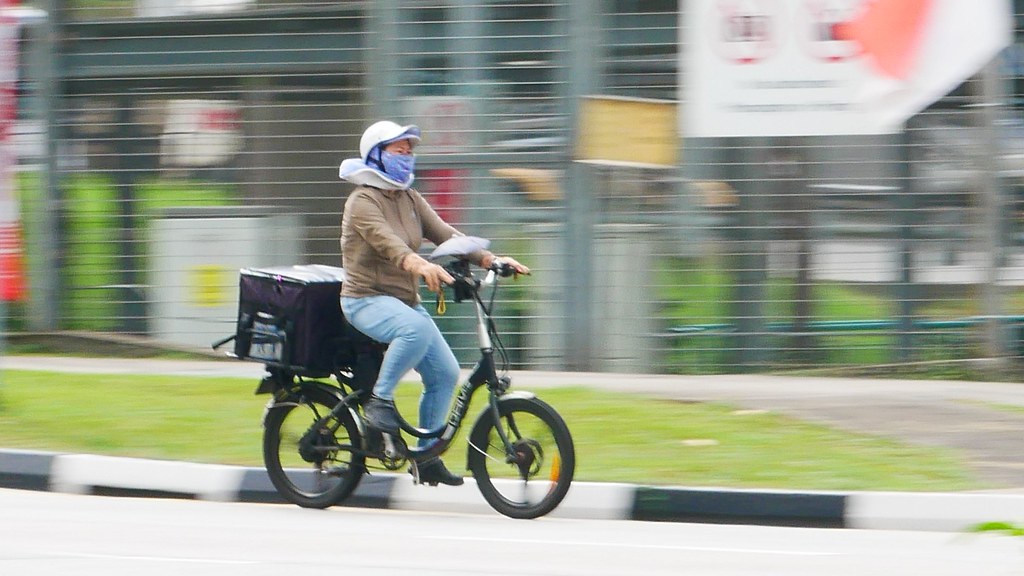
Restaurant delivery delays rarely start with the driver. They usually begin earlier, when kitchen timing, order intake, dispatch, routing, and customer communication operate as separate processes.
For restaurant operators, the goal is to reduce the time between order acceptance and successful handoff without sacrificing food quality. Restaurant Web X has previously emphasized efficient delivery systems, temperature control, tracking, and coordinated order processing as important parts of restaurant delivery performance.
Use Route Planning Tools Before Drivers Leave
Manually arranging delivery stops may work with two or three orders, but the process becomes inefficient when several drivers and delivery windows overlap.
A route maker can help organize multiple addresses into a more efficient stop sequence. Spoke’s Delivery Planner, for example, supports route optimization for up to 20 stops and can calculate estimated times, total distance, and stop order before sending the route to a driver’s phone.
Route planning is especially useful when restaurants batch several nearby orders together. The objective is not simply minimizing mileage. Operators also need to consider how long prepared food can remain in transit before quality begins to decline.
Set Realistic Stop Times
Routing estimates should include more than driving time.
Add time for:
- Parking
- Apartment access
- Hotel or office reception
- Customer handoff
- Delivery confirmation
- Building elevators
- Driver return to the vehicle
A route that assumes every stop takes two minutes may look efficient on-screen while being impossible to execute in a dense urban delivery area.
Connect Kitchen Timing With Dispatch
A driver should not arrive at the pickup counter twenty minutes before an order is ready. Likewise, completed meals should not sit waiting for a driver.
Connect dispatch timing with kitchen production data. If the kitchen display system estimates that an order will be ready at 7:18 p.m., dispatch should use that information when assigning the driver.
Restaurant Web X has noted that service speed and order processing time directly affect delivery performance and customer satisfaction.
Track the difference between promised preparation time and actual completion time. Recurring gaps can reveal unrealistic menu preparation settings or specific stations that slow during peak periods.
Create a Dedicated Delivery Staging Area
Finished delivery orders need a controlled handoff point away from dine-in traffic.
Create a staging area organized by order number, driver, or dispatch time. Hot and cold items should remain separated where required, and drinks should be checked before the order leaves.
Restaurant Web X recommends appropriate insulated packaging, leak-resistant containers, and temperature-control practices for restaurant food in transit.
The staging zone should also prevent drivers from searching through completed orders. Every additional minute spent locating bags increases dwell time and can disrupt subsequent routes.
Use Automated Order Aggregation
Restaurants receiving orders from several third-party delivery platforms can create delays when staff must monitor separate tablets.
Order aggregation software can consolidate incoming orders into a central workflow or POS environment, depending on the restaurant’s technology stack.
The operational objective is to remove duplicate data entry. Staff should not have to retype an order from one device into another system before the kitchen can begin preparing it.
Restaurant Web X has discussed the operational complexity created by restaurants using multiple delivery applications, making system consolidation particularly relevant for high-volume operators.
Track Drivers in Real Time
Real-time location data helps dispatchers distinguish between a normal delivery and a route that is becoming problematic.
A driver may encounter congestion, difficulty accessing a building, an incorrect address, or a previous customer who takes longer than expected.
Instead of waiting for the next customer to complain, dispatch can identify the delay and decide whether later orders need reassignment.
Restaurant Web X has reported that live delivery tracking can improve visibility into delivery timing and help restaurants manage customer expectations.
Validate Addresses Before Dispatch
A single incorrect apartment number or ZIP code can disrupt an entire route.
Address validation should happen when the customer submits the order rather than when the driver reaches the neighborhood.
Capture Delivery Details Up Front
Useful fields include:
- Street address
- Apartment or suite number
- ZIP code
- Customer phone number
- Building access code
- Preferred entrance
- Delivery instructions
For locations with repeated problems, store structured notes for future orders.
Large apartment developments, hospitals, campuses, and office complexes may need entrance-specific instructions because the postal address does not always identify the practical delivery point.
Use Customer Notification Tools
Delivery customers need accurate information about when food is leaving the restaurant and when it should arrive.
Automated SMS or app notifications can reduce inbound calls asking about order status.
Trigger messages from real operational events rather than arbitrary times. Useful events include order acceptance, preparation completion, driver departure, significant delay, and confirmed delivery.
Restaurant Web X has highlighted the value of clear tracking and communication in restaurant delivery because customers judge the experience partly against the time they were promised.
Build an Exception Management Process
No delivery system eliminates every delay.
Vehicles fail. Customers enter incorrect addresses. Restaurants become unexpectedly busy. Drivers encounter traffic or access problems.
Define how these situations should be handled before they occur.
Each exception should have an owner, status, and next action. A dispatcher might reassign an order, the restaurant may remake food that has been delayed too long, or customer service may issue an updated arrival estimate.
The important point is that staff should not invent a different solution every time.
Measure the Complete Delivery Cycle
Total delivery time should be divided into operational stages.
Measure order acceptance to kitchen start, kitchen start to completion, completion to driver pickup, pickup to customer arrival, and arrival to successful handoff.
This makes bottlenecks easier to diagnose.
If food regularly waits eight minutes after preparation, the problem is probably dispatch capacity rather than kitchen speed. If drivers routinely wait at the restaurant, preparation estimates may be inaccurate.
Monitor Core Delivery Metrics
Restaurant operators should track:
- Average preparation time
- Driver pickup wait time
- Orders per route
- Delivery miles per order
- On-time delivery percentage
- Failed delivery rate
- Average exception resolution time
- Planned versus actual arrival time
Track these figures by daypart. Dinner-period performance can look substantially different from afternoon averages.
Match the Tool to Delivery Volume
A small restaurant with one driver does not need the same technology as a multi-location chain operating dozens of routes.
Simple route planners can work for lighter delivery volumes. Spoke’s free Delivery Planner, for example, is positioned for independent drivers and smaller teams planning up to 20 stops, while the company notes that higher-volume operators typically require more comprehensive last-mile management capabilities.
As volume increases, look for centralized dispatch, driver assignment, live tracking, customer notifications, analytics, and integration with order-management systems.
Build Delivery Around Predictable Handoffs
The best restaurant delivery tools remove waiting between stages.
Orders should reach the kitchen automatically. Preparation status should inform dispatch. Drivers should receive organized routes. Customers should receive accurate updates. Exceptions should immediately reach the person responsible for resolving them.
Technology cannot compensate for an uncontrolled operating process.
When restaurants combine accurate preparation timing, structured staging, efficient routing, driver visibility, and clear customer communication, delivery becomes more predictable and delays become easier to identify before they affect the entire shift.