Most red wine myths survive because they started as good advice for a different time or place. Red wine should be a little cooler than a modern living room, not warm. Uncorking a bottle does very little on its own. Most wine is made to drink young, legs tell you about alcohol rather than quality, reds can go with far more than steak, and screw caps seal excellent wines.
None of that means the old rules were silly. They just need updating, and the fixes are easy.
Here are six common myths, one at a time, with what wine educators actually say and what to do differently at the table.
Key takeaways
- Serve fuller reds at about 59 to 64°F, which is cooler than most homes; lighter reds can take a proper chill.
- An open bottle has little surface exposed to air; pour, swirl or decant if a young red needs air.
- Most wines are meant to be drunk within a couple of years of bottling.
- Legs point to alcohol, sugar or color intensity, not quality.
- Screw caps are used on wines at every quality level and most price points.
The myths at a glance
| Myth | The fact | What to do |
|---|---|---|
| Serve reds at room temperature | Modern rooms are warmer than ideal for red wine | Chill fuller reds briefly; lighter reds a bit more |
| Uncorking lets wine breathe | Little air reaches the wine in the bottle | Swirl in the glass or decant young, tannic reds |
| All wine improves with age | Only a small number of wines benefit from aging | Drink most bottles within a couple of years |
| Legs show quality | Legs reflect alcohol, not quality | Judge by smell and taste |
| Red wine only with meat | Pairing is about weight and flavor, not color alone | Match light reds with lighter dishes |
| Screw caps mean cheap wine | Fine wines use both closures | Judge the wine, not the closure |
Myth 1: Serve red wine at room temperature
The myth: red wine should be served at room temperature, straight from the rack.
The fact: the phrase comes from a time before central heating. The Wine & Spirit Education Trust (WSET) says full-bodied reds are best at 15 to 18°C, or 59 to 64°F, while modern room temperature is closer to 20°C, about 68°F, thanks to heating and air conditioning.
That difference matters. WSET notes that above 18°C, reds can lose their freshness and their flavor structure can become muddled. Too cold, and they may taste thin and harsh. The alcohol also tends to stand out more when a red is warm.
What to do
- Put a full-bodied red in the fridge for 15 to 20 minutes before serving.
- Give light, low-tannin reds longer. WSET points to Pinot Noir and Beaujolais as reds that take a chill well.
- If a glass warms up at the table, a few minutes in the fridge brings it back.
Room temperature was good advice for a drafty stone house. In a modern home, it means your red is a few degrees too warm.
Myth 2: Pull the cork and let it breathe
The myth: pull the cork an hour before dinner and the wine will open up.
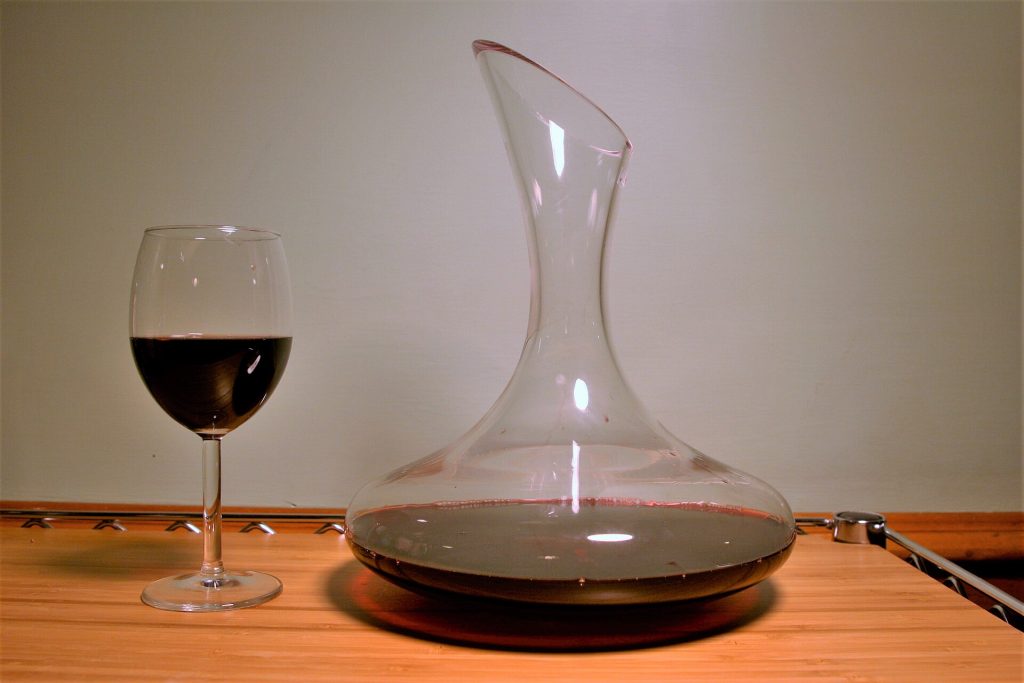
The fact: breathing does start as soon as the bottle is open, but not by much. Wine Spectator points out that the wine in an open bottle has limited surface area exposed to air. Only the small circle in the neck is touching oxygen.
If you want air to make a difference, you need to spread the wine out. Wine Spectator suggests pouring it into a glass and swirling, or decanting it, to really maximize exposure to oxygen.
Which wines benefit
- Young, tannic reds show the biggest change with air, according to Wine Spectator. A firm, closed wine can soften and smell more open after swirling or decanting.
- Older, mature reds are more fragile and can deteriorate quickly once exposed to air. Open them close to serving and taste as you go.
- Most everyday reds are fine straight into the glass. Swirling is all they need.
Myth 3: All wine gets better with age
The myth: every bottle gets better if you keep it long enough.
The fact: WSET’s myth-busting guide is blunt: only a small number of wines benefit from aging, and most wines are meant to be drunk within a couple of years after bottling. Wines built for aging tend to have the structure to carry them, such as firm tannin, good acidity and concentrated fruit. Most bottles on a supermarket shelf are made to be enjoyed now.
A red that’s past its best loses its fresh fruit and can taste flat, dried out or brownish. Keeping an everyday bottle for years usually costs you flavor rather than adding it.
If you do want to keep wine
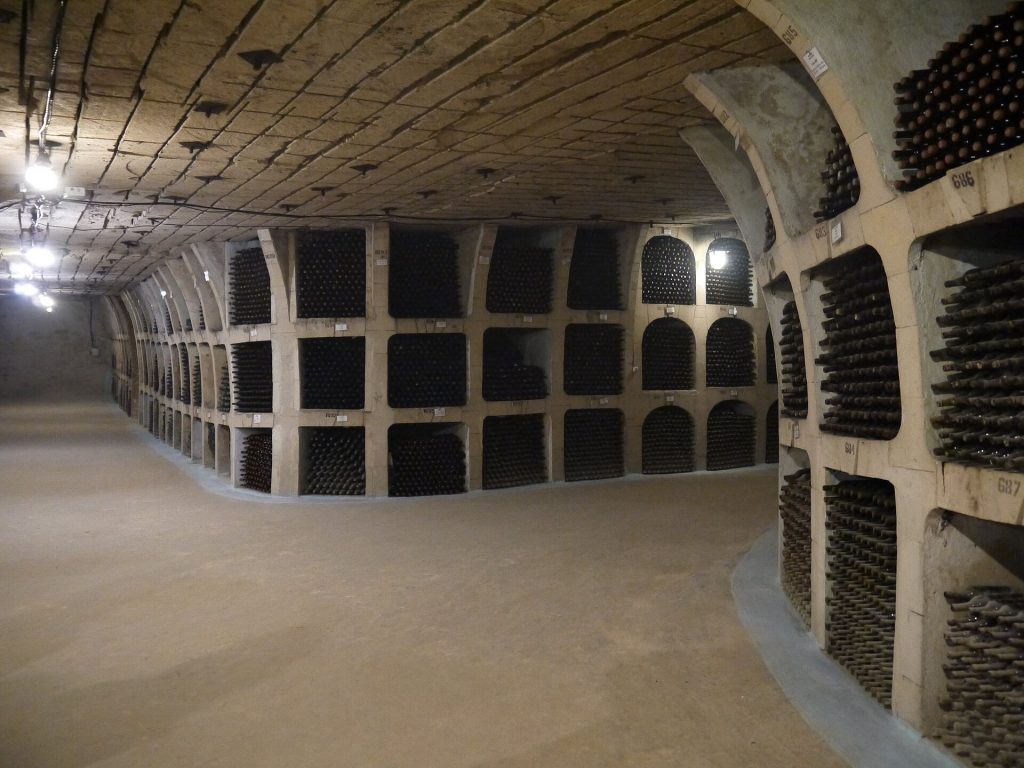
WSET recommends a steady 10 to 15°C, about 50 to 59°F, in the dark and away from vibration. A kitchen is a poor spot because its temperature swings. Store cork-sealed bottles on their sides so the cork stays moist; screw-capped bottles can stand upright.
Myth 4: Good wine has great legs
The myth: the more legs, or tears, a wine has on the glass, the better it is.
The fact: legs come from alcohol, not quality. A UCLA summary of research by mathematician Andrea Bertozzi’s team explains that alcohol in wine evaporates faster than water, and the resulting difference in surface tension pulls the wine up the glass. It notes that although many people think tears indicate quality, they actually form because of the alcohol.
WSET agrees: legs can give you a clue about a wine’s alcoholic strength, color intensity or sugar content, but not its quality. A heavy, high-alcohol red and a delicate one can both be excellent, or both be dull.
What to do
Swirl for the aroma, not the legs. Smell and taste tell you far more about a wine than anything running down the glass.
Myth 5: Red wine is only for meat
The myth: red wine is for red meat, and anything else needs white.
The fact: color is a rough shortcut. What really matters is how the weight and flavor of the wine match the weight and flavor of the food, and that includes the sauce, the seasoning and how it’s cooked. A light, fruity red can sit beside roast chicken, salmon or a mushroom risotto just as comfortably as beside a burger.
- Light, low-tannin reds, like Pinot Noir or Beaujolais, suit roast poultry, mushrooms, grilled salmon and charcuterie.
- Medium-bodied reds go with tomato-based pasta, pizza, sausages and lentils.
- Full-bodied, tannic reds still shine with rich, fatty meats and hard cheeses.
Serve lighter reds on the cool side, as in myth one, and they’re especially good with food. Our guide to food and wine pairing basics goes further.
Myth 6: Screw caps mean cheap wine
The myth: a screw cap is a sign of a cheap wine.
The fact: WSET says there are outstanding quality wines bottled under both corks and screwcaps, and that you’ll find screwcaps on wines at all quality levels and most price points. Its guide makes a similar point about boxes and cans: the type of container rarely affects the quality of the wine inside.
Screw caps have practical upsides at home, too. They’re easy to open without a corkscrew, easy to reseal, and the bottles can be stored upright.
What to do
Judge the wine by what’s in the glass. If a bottle you like happens to have a screw cap, that’s a convenience, not a warning.
FAQ
Should I put red wine in the fridge?
Briefly, yes. A short spell in the fridge brings most reds down from room temperature to the 59 to 64°F range WSET recommends for fuller styles.
Does decanting help every red?
No. It helps most with young, tannic reds. Delicate older wines can fade quickly with a lot of air, and everyday reds usually just need a swirl.
How long does an open bottle of red last?
Wine Spectator says most wines stay good for hours after opening. Recork it, keep it cool and finish it within a day or two for the best flavor.
Is boxed wine always lower quality?
Not necessarily. WSET says the container rarely affects the quality of the wine inside.
Test one myth at your next dinner
At your next dinner, pour the same red two ways: one glass straight from the counter and one after 20 minutes in the fridge. Taste them side by side and decide for yourself which the room-temperature myth got wrong. For more, browse our wine and drinks guides or read choosing wine glasses.
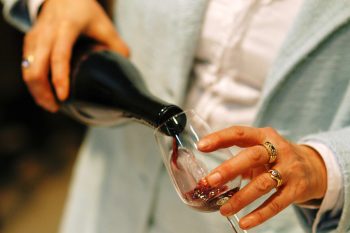
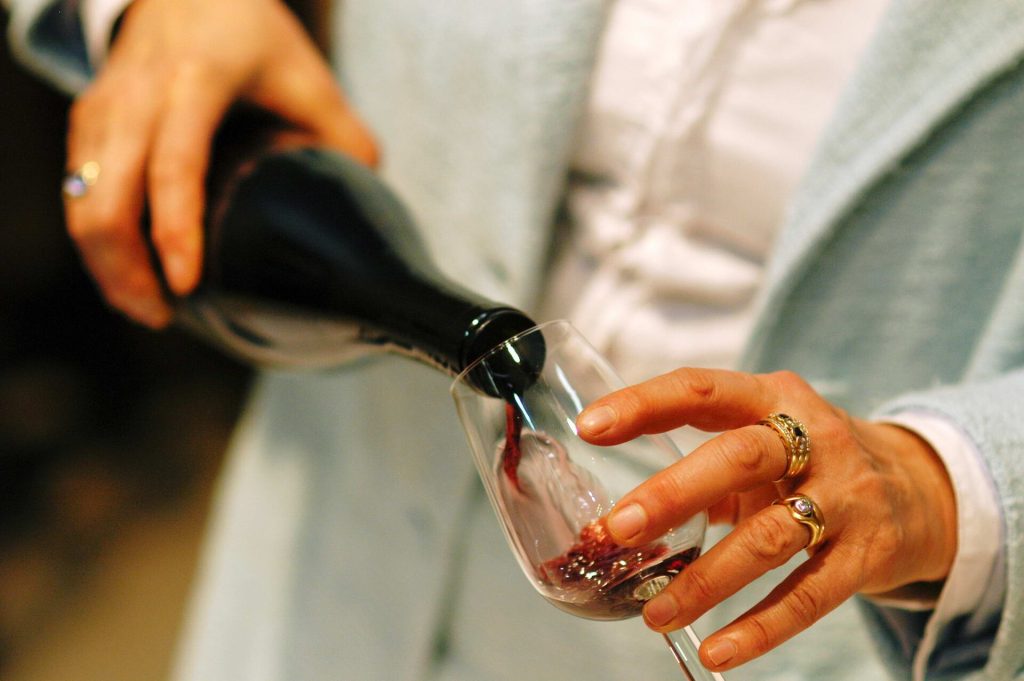
Featured photo: Wine being poured into a glass by Fabio Ingrosso, BY 2.0.