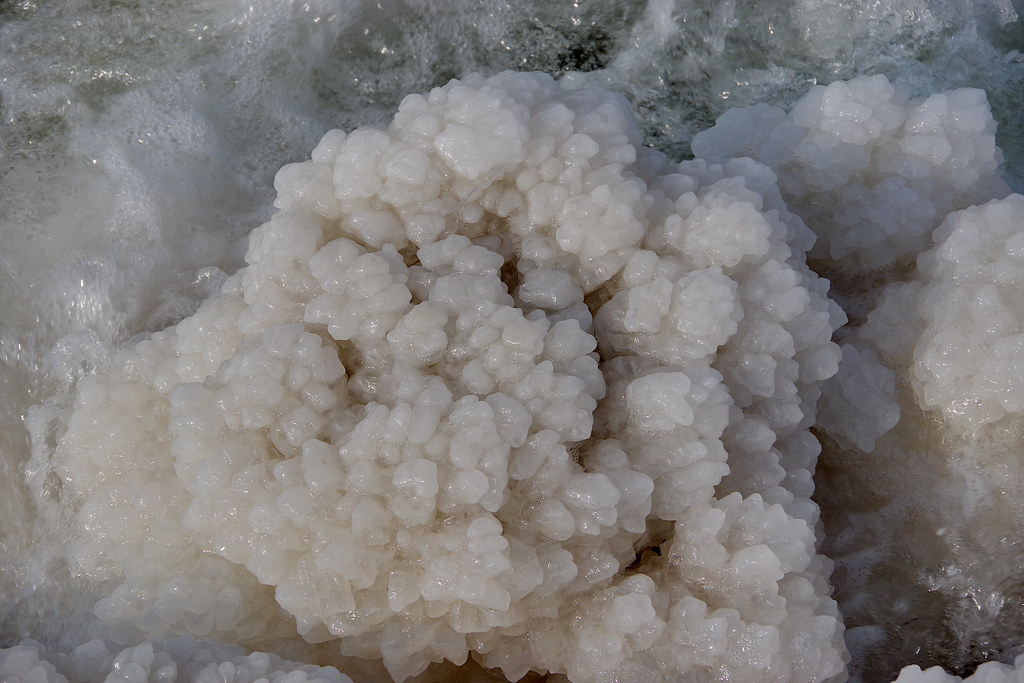
Most home cooks think of salt as a utility player: a pinch here, a sprinkle there, something you reach for out of habit rather than intention. But working chefs and sophisticated home cooks know better. Salt is a flavor amplifier that, when infused with complementary spices and ingredients, becomes a tool for building complexity at the end of cooking, just when you need it most. An infused salt gift set demonstrates how a single pinch of the right salt blend can elevate a dish from competent to memorable in seconds.
Key Takeaways
- Infused salts work as finishing salts, adding texture, complexity, and a final flavor hit that ties a dish together
- Layering different salt blends throughout cooking, not just at the end, builds depth that flat one-dimensional seasoning can’t achieve
- Home cooks often overlook salt composition as a lever for flavor, treating all salt as interchangeable when the opposite is true
- Strategic salt placement transforms proteins, vegetables, and even desserts by adding unexpected flavor dimensions
Why It Matters
Here’s what separates a good dish from a crave-worthy one: intentional seasoning at multiple stages, with a final flavor hit that makes the whole thing sing. Most home cooks nail the protein, the technique, even the supporting vegetables, and then commit the cardinal sin of underseasoning. They either salt too early (drawing out moisture and dulling flavor) or too late (leaving the salt sitting on top like an afterthought).
Infused salts solve both problems. They’re designed to add texture, aroma, and flavor dimension right when a dish needs it most. A salt infused with citrus or smoke or herbs brings a finishing flourish that tells your palate something intentional happened in the kitchen. It signals craft. It signals you actually tasted the food as you were building it.
The second reason this matters is that infused salts let you build flavor complexity without adding more ingredients or more steps. A finishing salt with garlic and herbs delivers the impact of three separate seasoning layers in a single, elegant application.
What Infused Salt Actually Does (And Why It’s Not Just Salt)
Start here: salt is hydroscopic. It draws moisture to the surface, and that surface is where flavor registers first. When you use a finishing salt, you’re not just adding sodium chloride to a dish; you’re adding texture, aroma, and the flavor compounds of whatever that salt has been infused with. A smoked salt doesn’t just taste salty. It tastes smoky, with a savory depth that changes how your palate reads the entire dish.
Infused salts work through two mechanisms. First, they dissolve slowly on the tongue, releasing their flavor notes over a few seconds rather than all at once. That slow release creates a flavor arc that feels intentional and layered. Second, the crystals themselves add textural contrast. A crunchy finishing salt on a soft piece of fish or a creamy soup creates a sensory experience that smooth, fine salt can’t deliver.
The best-kept secret among chefs is that infused salt also compensates for undercooking flavor development. If you’re short on time or didn’t build enough depth in your sauce, a strategic finishing salt can fake it. Not in a dishonest way, but in a way that shows understanding of how layering works. A fleur de sel infused with herbs and citrus applied to a grilled steak in the last 30 seconds of resting creates a flavor profile that looks like you sweated vegetables and built stock, when you actually just seasoned intelligently.
The Distinction Between Cooking Salt, Finishing Salt, and Infused Salt
This is where most home cooks get confused, and it costs them flavor. Not all salts do the same job.
Cooking salt (fine table salt or kosher salt) is for seasoning throughout the cooking process. You use it to season your pasta water, your braising liquid, your spice rubs. It needs to dissolve quickly and distribute evenly. You’re building a foundation.
Finishing salt (fleur de sel, Maldon, or other flaky sea salts) is for the plate. It has larger crystals, more texture, and a different mineral profile. When you sprinkle it on a finished dish, it stays visible. It adds crunch. It’s the last thing your mouth registers.
Infused salts combine the best of both worlds but lean heavily into the finishing category. They’re usually built on a flaky base because the infusions (herbs, spices, citrus zest, smoke) need to be visible and need to stay intact. When you layer an infused salt onto a hot plate of food, those flavor compounds activate and bloom. They’re not getting dissolved into a sauce; they’re meant to shine.
Home cooks should keep at least two salts in their kitchen: a fine-grained salt for cooking, and an infused finishing salt for the plate. The second one is where the magic happens.
How Chefs Actually Use Infused Salts (And Why Home Cooks Should Copy This)
Professional kitchens use infused salts as a multiplier. When a chef tastes a dish and says “it needs something,” they’re not always reaching for more sauce or another pinch of their cooking salt. They’re reaching for a finishing salt that will add dimension without adding moisture or diluting other flavors.
Consider a simple roasted chicken breast. It’s cooked through, it’s seasoned, it’s technically finished. But a chef will rest it, then apply a smoked or herb-infused salt right before plating. That one gesture transforms the dish. The diner bites into the chicken and gets that final flavor punch that says “this was made with intention.”
The second way chefs use infused salts is in layers. They’ll use a fine cooking salt to season the cooking medium or the base of the dish, then apply a totally different infused salt at the end. So a braised short rib might get kosher salt during braising, then a finishing salt with garlic and smoked paprika when it hits the plate. Two different salts, two different moments, one coherent flavor story.
Home cooks can steal this exact technique with zero extra effort. Season as normal during cooking with whatever salt you have. Then, in the last minute, reach for your infused salt and apply it strategically to the components that need a flavor hit. A protein, a vegetable, even a sauce. This is not about adding more salt overall; it’s about changing what kind of salt you use at different stages.
A Real Example: How Infused Salt Transforms Three Different Dishes
Here’s how this works in practice, with actual meals.
Roasted vegetables. You’ve tossed your carrots and Brussels sprouts in olive oil and salt, roasted them at 425 until they’re caramelized. They look great. But they taste a little one-note. Here’s where a citrus-infused salt makes the difference. One small pinch right out of the oven, and suddenly the brightness cuts through the richness. The caramelization pops. The vegetables taste more like themselves, not less. A single finishing salt made the whole plate coherent.
Grilled fish. You’ve grilled a fillet of halibut or branzino until the skin is crispy and the inside is just cooked through. You rest it. Now instead of reaching for kosher salt, you reach for a finishing salt infused with herbs and lemon. Applied while the fish is still hot, those aromatics activate and bloom. The fish suddenly tastes fresher, more refined, like it came from a restaurant kitchen instead of your backyard grill. You changed nothing about your technique or ingredients. You just changed the salt.
A simple pasta. You’ve made aglio e olio or cacio e pepe. It’s already salty because you salted your pasta water and the cheese and all the rest. But the dish needs a flourish. A pinch of smoked finishing salt adds a dimension that seems to come out of nowhere. Suddenly your simple pasta has depth. It tastes like a dish someone thought about, not like something you assembled.
In every case, you did zero additional work. You just chose your finishing salt with intention.
Why Home Cooks Underestimate Salt as a Flavor Tool
This is the real problem. Most home cooks think about salt as a correction, not a creation. They salt food that tastes flat, hoping to fix it. But by that point, it’s too late. The food has already been constructed, tasted, and found wanting.
Professional cooks think about salt differently. They think about which salts will build the flavors they want, and they apply them strategically at different stages. A smoked salt goes in the rub. A different infused salt finishes the plate. A third salt seasoned the cooking liquid. Three salts, one dish, total coherence.
Home cooks also underestimate the flavor difference between salts. They assume salt is salt. But a sea salt infused with garlic tastes completely different from a sea salt infused with smoked paprika. Each one is a separate tool. Each one tells a different story on your palate. Once you start thinking about salt as a flavor ingredient rather than a preservative, everything changes.
The third issue is timing. Most home cooks salt too early and all at once. Then they can’t taste the difference between a well-seasoned dish and an oversalted one. Professional cooks build flavor in layers and taste constantly, which is why they know exactly when and where to add the next pinch of salt.
Building Your Own Infused Salt Strategy
If you’re new to this, start simple. Buy or make one finishing salt that appeals to you. Something with bright citrus, or smoke, or a warm spice. Use it on proteins: grilled chicken, roasted fish, steak. Notice how that single pinch changes the plate. Once you see the difference, you’ll start reaching for finishing salts automatically.
After that, think about building a small collection. A smoked salt for barbecue and roasted vegetables. An herb-infused salt for fish and light pasta. A spicy salt for avocados, eggs, or grilled vegetables. You don’t need many. Three well-chosen infused salts will cover 80 percent of your cooking.
The key is treating finishing salts as a separate category from your everyday cooking salt. Keep them visible. Keep them within arm’s reach of your stove. Make them part of your plating ritual.
Actionable Takeaways
- Buy or make one finishing salt and commit to using it. Pick a flavor profile that excites you (citrus, smoke, herbs, spice) and apply it to one protein or vegetable per week. Notice the difference.
- Keep your finishing salt separate from your cooking salt. Use fine salt during cooking, a coarser infused salt at the finish. This forces you to think about when you’re seasoning and why.
- Taste before and after applying finishing salt. This builds the sensory habit of noticing how salt changes a dish, which trains your palate for all future seasoning decisions.
- Apply finishing salt while food is still hot. This activates the aromatic compounds in the infusion and lets them bloom into the dish.
- Start with proteins and vegetables, then expand. Grilled chicken, roasted vegetables, and simple pastas are the easiest places to see the impact of strategic salt finishing.
Conclusion
Infused salt is the simplest flavor multiplier in your kitchen. It requires zero new skills, zero new equipment, and zero extra time. All it requires is a shift in how you think about salt: not as a correction for bland food, but as a strategic flavor layer you apply with intention at different stages of cooking. Professional cooks know this already. Home cooks are catching up fast, one infused salt at a time. The next time you plate a dish, reach for something beyond table salt and see what happens. Your palate will tell you everything.
FAQ
What makes an infused salt different from regular salt?
Infused salts contain dried herbs, spices, citrus zest, or smoke that have been mixed with sea salt or mineral salt. They dissolve slowly on the tongue and add texture and aroma, whereas regular salt just adds sodium chloride and dissolves quickly.
Can I use infused salt during cooking or only at the end?
You can use it both ways, but finishing with infused salt has more impact. During cooking, the delicate flavor compounds can break down or disperse into the cooking liquid. Finishing with infused salt preserves those flavors and lets them shine on the plate.
Do infused salts cost more than regular salt?
Yes, they typically cost more because they contain additional ingredients and are hand-crafted in smaller batches. But a small pinch goes a long way, so a container lasts much longer than you might expect.
What foods pair best with infused salts?
Protein and vegetables benefit most from finishing salts. Grilled or roasted chicken, fish, steak, and vegetables all shine with a final pinch of infused salt. You can also use them on eggs, avocado, or even finished soups.
Can I make my own infused salts at home?
Yes. Mix flaky sea salt with dried herbs, citrus zest, spices, or smoked paprika and let them sit together for a few days. Homemade versions are fresher and more customizable, though they don’t keep as long as commercial versions.
Should I have multiple infused salts in my kitchen?
Not at first. Start with one that excites you. Once you see how it changes your cooking, you can add a second or third. Three well-chosen salts cover most cooking situations.