Choosing the right Damascus knife can significantly improve your cooking experience. But with so many options on the market, it’s important to understand what to look for. This guide covers everything from blade material to brand reputation, so you can make an informed decision based on your cooking style and budget.
What is a Damascus Knife?
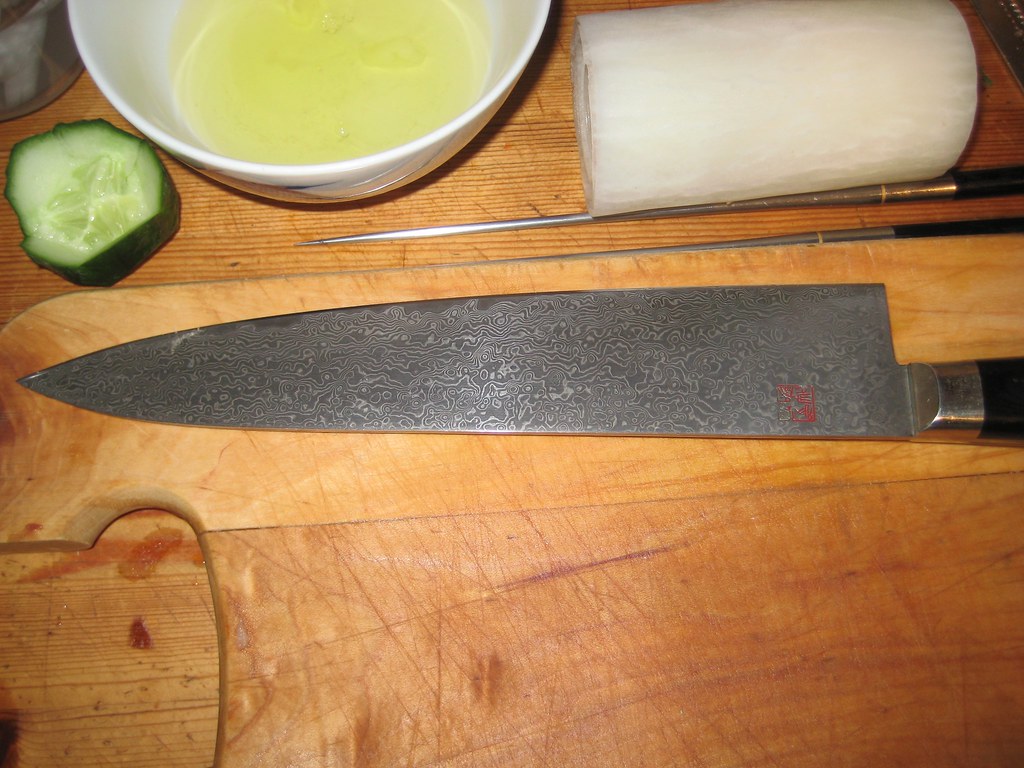
A Damascus knife is made from layered steel that is forged together, creating distinctive wavy patterns on the blade. These knives are known for their balance of sharpness, durability, and visual appeal. High-quality Damascus steel knives combine multiple types of steel, typically high-carbon stainless steel, which provides both strength and corrosion resistance.
Key Factors to Consider When Buying a Damascus Knife
Blade Material and Layering
- Choose blades with a high-carbon stainless steel core such as VG-10, AUS-10, or 10Cr15CoMoV.
- Look for knives with 67 or more layers for better strength, flexibility, and rust resistance.
- The quality of the steel core determines the knife’s sharpness and edge retention.
Choosing the Right Knife Type
Handle Material and Comfort
- Full-tang construction (blade extends through the handle) offers better control and balance.
- Common handle materials include Micarta and G10 for durability, and wood like Pakka or Rosewood for aesthetics.
- Choose a handle that fits your hand comfortably and suits your grip style.
Weight and Balance
- Heavier knives provide better chopping force.
- Lighter knives are ideal for precision work.
- A well-balanced knife should feel steady in hand, not tipping too far forward or back.
Sharpness and Edge Retention
- Look for blades sharpened at a 15 to 16-degree bevel angle per side.
- Blades with hardness between HRC 60 to 62 maintain their edge longer.
- Harder steel is sharper but may be more brittle, so care is essential.
Blade Pattern and Aesthetics
Damascus steel features natural patterns such as swirls, waves, or raindrops, formed during the forging process. These designs are not only attractive but also signal quality craftsmanship. Real Damascus patterns follow the contour of the blade, unlike cheap laser-etched fakes.
Brand Reputation
Reputable brands are more likely to offer authentic Damascus knives with superior performance and durability. Some trusted names include:
- Shun
- Miyabi
- Dalstrong
- Yoshihiro
- Zelite Infinity
Research customer reviews and professional opinions before making your purchase.
Avoid knives that seem too cheap, as they often use imitation patterns and low-quality steel.
Maintenance and Care Tips
To keep your Damascus knife in excellent condition:
- Wash by hand only. Dishwashers can damage the blade and handle.
- Dry immediately after washing to prevent rust or stains.
- Hone regularly and sharpen when needed using a whetstone.
- Store in a knife block, magnetic strip, or protective sheath to maintain blade sharpness.
Extra Tips and Smart Content Angles
Beginner’s Guide Focus
If you’re new to Damascus knives, look for beginner-focused content that explains the differences between Damascus and regular stainless steel. Comparisons and side-by-side visuals can make learning easier.
Expert Opinions
Insights from professional chefs can help readers understand what features matter most in a fast-paced kitchen. Many professionals prefer Damascus knives for their precision and reliability.
Visual Knife Comparisons
Presenting blade patterns, handle styles, and use cases in comparison tables or side-by-side visuals helps buyers make decisions quickly.
Budget-Based Recommendations
Divide knives into budget categories and recommend 1 to 2 models per tier. Include the pros and cons of each.
Real vs. Fake Damascus
Educate readers on spotting fake knives. Genuine Damascus patterns follow the grind lines and have depth and variation, while fake versions look flat and printed.
Final Tips Before You Buy
If possible, test the grip and weight in person.
Watch video reviews to see the knife in action.
Only buy from verified retailers or directly from well-known brands to avoid counterfeit products.
Featured photo: Todd’s awesome damascus steel knife by redtimmy, BY-SA 2.0.