If you’re wondering how to choose a roasting pan, start with three things: size, material and rack. For most home cooks, a pan at least 16 by 12 inches handles everything up to a 20-pound turkey. Fully clad stainless steel heats evenly and can go on the stovetop for gravy. A snug-fitting rack and big upright handles make it safer to carry.
A roasting pan is one of those tools you use a handful of times a year, so it’s tempting to grab whatever is cheapest. But a pan that buckles, scorches, or won’t fit your oven can ruin the one meal everyone remembers.
This guide covers sizing to the bird or roast, how stainless tri-ply, enameled, aluminum and disposable pans compare, rack types, handles, stovetop use and oven fit, then sets out what you get at each budget tier.
Key takeaways
- A pan at least 16 x 12 inches suits most kitchens and fits a 20-pound turkey, according to America’s Test Kitchen.
- Fully clad (tri-ply) stainless steel heats evenly, resists warping and handles stovetop gravy.
- Thin enamelware can burn and crack over high stovetop heat.
- Choose a rack that fits snugly and upright handles you can grip with oven mitts.
- Measure your oven before you buy, and set disposable foil pans on a sturdy baking sheet.
In this guide
- Start with size
- Materials compared
- Racks: why they matter and what to look for
- Handles, weight, oven fit and gravy
- Budget tiers
- FAQ
- Your five-minute pre-shop check
Start with size
Size is the first decision because it drives everything else. After testing, America’s Test Kitchen concluded that a pan measuring at least 16 inches long and 12 inches wide is the best option for most home cooks, with room for a large prime rib or a 20-pound turkey.
Smaller households have another option. ATK’s review of small roasting pans looks at pans about 14 by 10 inches, roughly 30 percent smaller than full-size models, for everyday roast chickens, pork loins and trays of vegetables.
Match the pan to what you roast
| What you roast most | Pan size to look for | Why |
|---|---|---|
| Whole chickens, small roasts, vegetables | About 14 x 10 inches | Less empty space, so drippings don’t scorch |
| Turkeys up to about 20 pounds, standing rib roasts | At least 16 x 12 inches | Room for the bird plus airflow around it |
| Very large turkeys, two roasts at once | The largest pan your oven fits | Check oven width with the door closed |
Aim for a bit of room around whatever you’re roasting. A bird that touches the sides steams in those spots, while a huge pan with a small roast leaves lots of bare metal where drippings can burn. Low-to-medium sides, about 3 inches, let hot air reach the lower part of the roast.
Materials compared
Material decides how evenly the pan heats, whether it warps, and whether you can use it on a burner. Here’s how the main options stack up.
Stainless tri-ply (fully clad)
Fully clad pans sandwich aluminum between layers of stainless steel. America’s Test Kitchen found these heat more slowly but more evenly, and are more durable, resisting warping. They’re also safe on the stovetop, which matters for gravy. This is the pick if you want one pan for decades.
Single-layer stainless
A thick single sheet of stainless steel is a reasonable middle ground. ATK notes that it conducts heat less effectively than clad pans, but the small-pan review still favored a relatively thick single layer as a good option. Avoid thin, flexible versions.
Enameled steel and enameled cast iron
Enamel looks lovely at the table and cleans easily. The drawback is heat on the stovetop: ATK reports that the enamel on enamelware pans it tested burned and cracked over high heat. If you choose enamel, save it for the oven and make gravy in a saucepan.
Aluminum and nonstick
Bare and anodized aluminum pans are light and heat quickly, which makes them easy to lift. Nonstick coatings make cleanup simple, but they give you less of the browned residue that flavors gravy, and many coatings aren’t meant for high heat or metal utensils. Check the maker’s guidance.
Disposable foil pans
Foil pans are cheap and handy if you’re cooking at someone else’s house. They’re also flimsy. Loaded with a heavy turkey and hot fat, they can flex and fold when you lift them. Always set a foil pan on a sturdy rimmed baking sheet before it goes in the oven, and lift the sheet, not the foil.
A roasting pan only has to fail once, on the way out of a hot oven, for you to wish you had spent more on it.
Racks: why they matter and what to look for
A rack lifts the roast off the pan surface so hot air circulates around it and it cooks evenly, as ATK’s testing explains. It also keeps the underside out of the fat, so the skin doesn’t go soggy.
- V-shaped racks: cradle a turkey or chicken and stop it rolling. They work best when they’re the right size for the pan; a small V-rack can slide around.
- Flat racks: the most versatile, great for roasts, ribs and bone-in pork, and easy to store.
- Adjustable racks: the sides fold to suit different birds. Check that the hinges lock firmly.
Whatever style you choose, fit is the thing to test. ATK found that snug racks keep the roast steady, while loose-fitting racks are precarious and can send a roast sliding when you move the pan. If you’re buying a pan and rack separately, measure the pan’s inside base first.
USDA’s turkey roasting guide also calls for the bird to sit on a rack in a shallow roasting pan, which is one more reason to buy a pan with a rack included.
Handles, weight, oven fit and gravy
Handles
Look for handles that face upward rather than sticking straight out. ATK found upright handles keep your hands farther from the hot oven walls and reduce the chance of burns. Grab the handles with your thickest oven mitts in the store; for small pans, ATK recommends handles at least 4.5 inches across.
Weight
A heavier pan resists warping, but you’ll be lifting it with a 15-pound bird and hot juices inside. ATK preferred pans under 7 pounds including the rack. If you have wrist or back concerns, lean toward the lighter end.
Oven fit
- Measure the inside width and depth of your oven, then subtract a couple of inches for airflow and the door.
- Add the handles to the pan’s length; they are often not in the listed size.
- If you have a smaller or wall oven, check that the pan and bird will clear the upper element.
Stovetop use for gravy
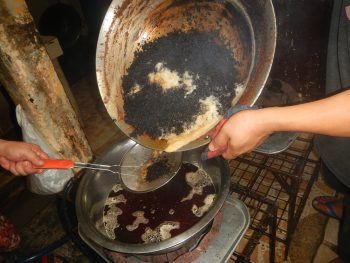
The best gravy comes from the browned bits stuck to the pan after roasting. To use them, the pan has to go on a burner. ATK favors pans with flat cooking surfaces because they give you more room to sear and deglaze; pans with raised grease troughs limit that space.
- Lift the roast out onto a board and let it rest.
- Pour the fat and juices into a cup and let the fat rise; spoon some of it back into the pan.
- Set the pan across two burners on medium heat and whisk in flour.
- Add stock slowly while scraping the bottom, then the defatted juices.
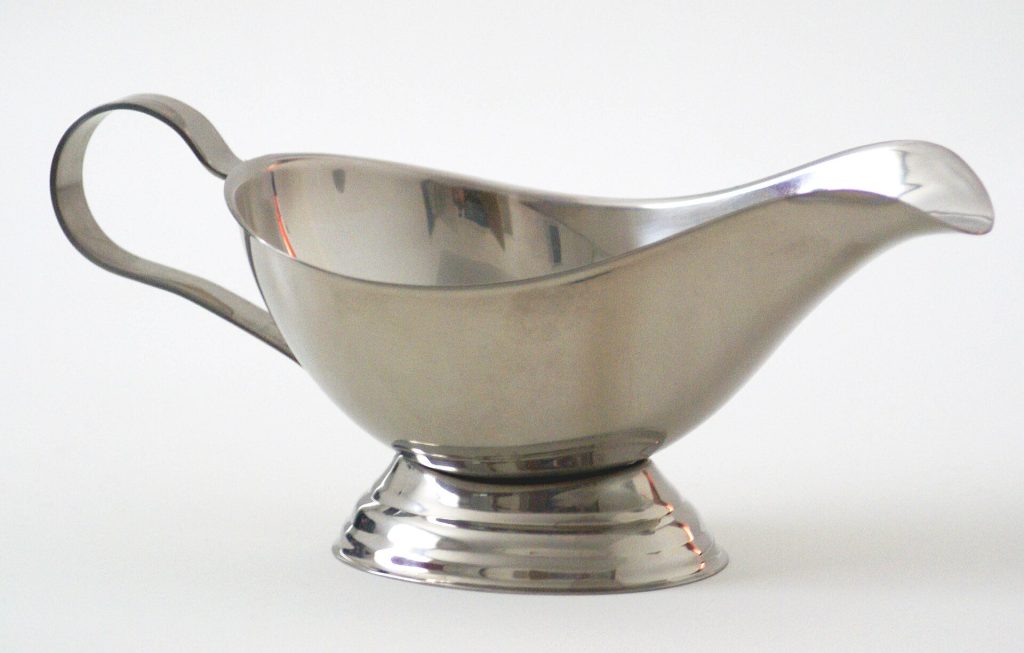
- Simmer until thick, then strain into a warm jug.
Pans made from thin metal are more likely to warp over direct heat, ATK warns, and thin enamel can crack. If your pan isn’t stovetop-safe, scrape the drippings into a saucepan with a splash of hot stock instead. More ideas are in our gravy guide.
Budget tiers
Prices change constantly, so think in tiers and check the features at each level.
- Disposable: for a one-off or cooking away from home. Always pair it with a baking sheet. Not usable on the stovetop.
- Budget: single-layer stainless or aluminum, often with a basic rack. Fine for occasional roasting; check that the base is flat and the rack fits.
- Mid-range: heavier stainless or clad pans with upright handles and a fitted rack. The best value for most home cooks who roast a few times a year.
- Premium: fully clad tri-ply stainless with a snug, sturdy rack and large handles. Built to last, and fine for gravy on the burner.
A small 14-by-10 pan for weeknight chicken plus a disposable pan on a baking sheet for the holiday is a sensible combination if you’re not ready to invest in a large clad pan.
FAQ
What size roasting pan do I need for a 20-pound turkey?
A pan at least 16 by 12 inches, which America’s Test Kitchen says will comfortably hold a 20-pound turkey.
Is stainless steel or nonstick better for a roasting pan?
Stainless steel for most people. It browns drippings well for gravy and can go on the stovetop. Nonstick is easier to clean but offers less fond.
Do I need a rack in my roasting pan?
It helps. A rack lets hot air circulate so the roast cooks evenly and keeps the bottom out of the fat. USDA’s turkey guide calls for one.
Can I use a disposable pan for a turkey?
Yes, but set it on a sturdy baking sheet and lift by the sheet. Foil pans bend easily when full.
Your five-minute pre-shop check
Before you shop, measure your oven, weigh the biggest thing you roast in a year, and look at your stovetop to see if a pan could span two burners. Then choose the largest pan that fits all three, with a snug rack and handles you can grip in mitts. For more tools worth the storage space, see our kitchen gear guides, and when you’re ready to cook, try an easy roast chicken.
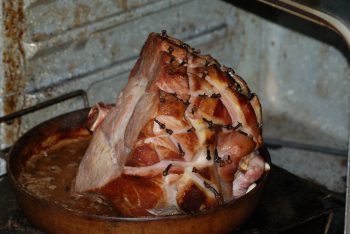
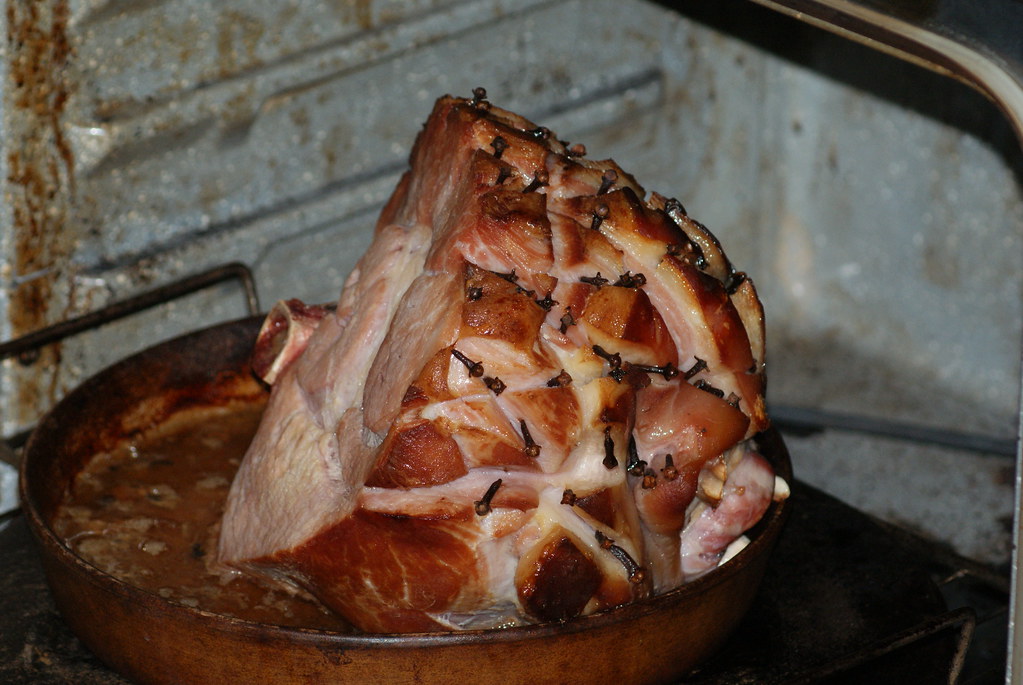
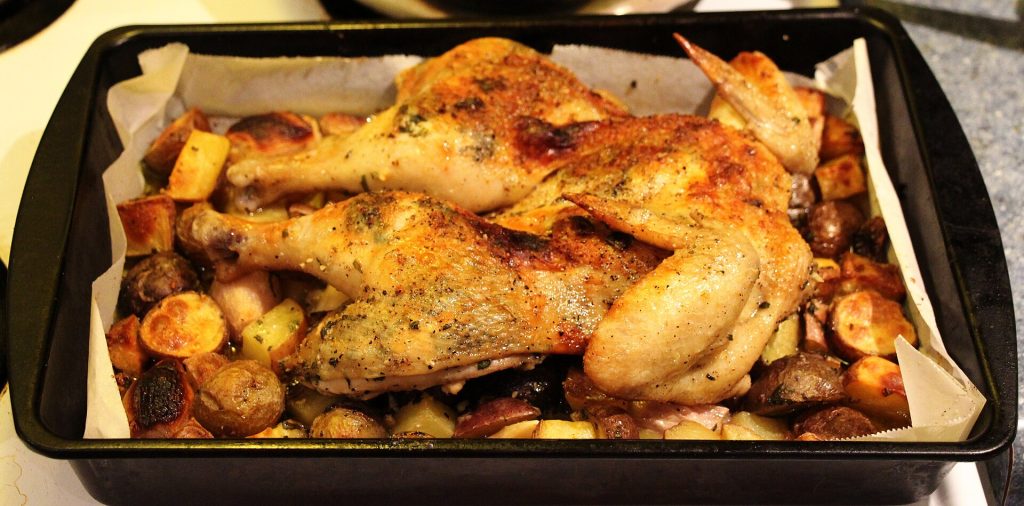
Featured photo: a ham was cooked by bradleygee, BY 2.0.