Shipping perishable products presents challenges for restaurants, meal kit companies, and online food retailers. Temperature fluctuations, transportation delays, and inadequate packaging can affect food quality and safety during transit. Businesses can reduce these risks by combining insulated containers, suitable shipping ice packs, and proper shipment preparation. Understanding how these components work together helps businesses protect temperature sensitive products throughout delivery.
1. Why Temperature Control Matters When Shipping Perishable Food
Maintaining appropriate temperatures is essential when transporting perishable products. Exposure to unsuitable temperatures can accelerate spoilage, affect food quality, and increase the risk of foodborne illness.
Handling Refrigerated and Frozen Foods
Refrigerated and frozen products have different temperature requirements. Fresh produce, dairy products, prepared meals, and frozen foods must be handled according to their specific storage needs. Businesses should identify the required temperature conditions for each product before selecting packaging materials and cooling solutions.
Managing Delays and Seasonal Weather
Unexpected shipping delays and seasonal temperature changes can make cold chain management more difficult. Summer heat, winter conditions, and extended time in delivery vehicles can affect package temperatures. Businesses should consider expected transit times and local weather when planning shipments.
2. Choosing the Right Insulated Packaging
Insulated packaging helps slow heat transfer between the surrounding environment and the products inside a shipping container. Selecting suitable materials and container designs is important for protecting perishable goods during transportation.
Types of Insulated Shipping Containers
Common options include expanded polystyrene boxes, insulated liners, rigid coolers, and thermal panels. The appropriate choice depends on the food being shipped, required temperature conditions, transit duration, and packaging budget.
Choosing the Right Packaging Size
Packaging should provide enough space for the products and cooling materials without leaving excessive empty areas. Large gaps can allow warm air to circulate inside the container. Properly sized packaging and suitable filler materials help keep shipments secure and support more consistent temperature control.
3. How Shipping Ice Packs Help Maintain Cold Temperatures
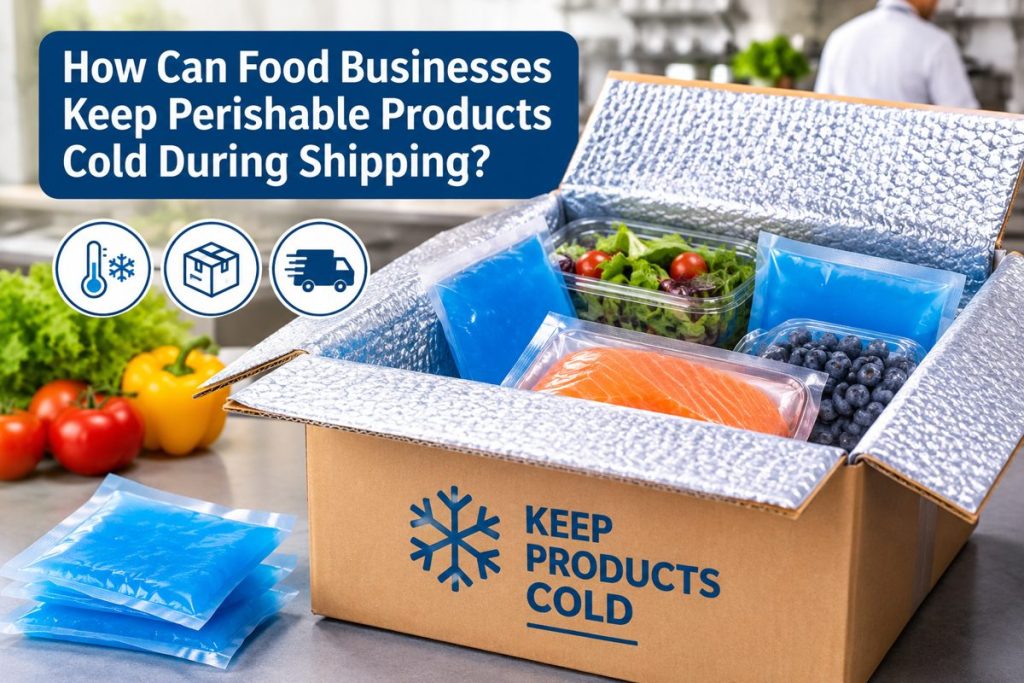
Shipping ice packs help absorb heat inside insulated containers, supporting temperature control during transportation. They work alongside insulated packaging to help keep perishable products within their required temperature range.
Proper Placement of Ice Packs
The placement of ice packs can influence how cooling is distributed throughout a package. Depending on the product and packaging design, packs may be positioned above, below, or around the contents.
Businesses should test different arrangements to determine what works best for their products and containers rather than relying on one packing method for every shipment.
Factors Affecting Cooling Performance
The effectiveness of shipping ice packs depends on several factors, including:
- The product’s temperature before packing.
- The insulation properties of the container.
- The number and arrangement of cooling packs.
- Expected transit duration.
- Seasonal weather and transportation conditions.
Considering these factors helps businesses develop more suitable packaging configurations.
4. Understanding Gel Packs for Shipping
Gel packs for shipping are commonly used to help maintain cooler conditions inside insulated containers. They are available in different sizes and formats, making them useful for businesses shipping refrigerated food and other temperature sensitive products.
Reusable and Disposable Options
Reusable gel packs may suit businesses with return and collection systems, while disposable options can be more practical for direct to consumer shipments.
The right choice depends on the business’s shipping volume, storage facilities, return logistics, and packaging costs.
Testing Gel Pack Performance
Before using gel packs for regular shipments, businesses should test their packaging under realistic conditions. Transit duration, container size, outside temperatures, and product requirements should all be considered when evaluating a cooling configuration.
5. Selecting the Right Cold Packs for Shipping
Choosing suitable cold packs for shipping requires more than comparing product sizes or prices. Businesses should consider the complete shipping process and the specific needs of their products.
Important factors include:
- Food type: Different products have different temperature requirements.
- Transit duration: Longer deliveries may require a different packaging configuration.
- Weather conditions: Seasonal temperatures can influence cooling requirements.
- Container design: Insulation quality and package dimensions affect performance.
- Storage requirements: Businesses need appropriate space to store cooling materials before use.
- Shipping costs: The weight and dimensions of packaging can influence transportation expenses.
Cold packs should always be evaluated alongside the insulated container and the overall shipping method.
6. Preparing Perishable Food Products for Shipment
Proper preparation helps reduce temperature fluctuations and protects products during transportation.
Pre Cooling Products Before Packing
Food should be cooled to its required storage temperature before being placed inside an insulated shipping container. Packing warm products with cold packs can place additional demands on the cooling materials and compromise temperature control.
Businesses should also use clean, food appropriate packaging materials to protect products during handling and delivery.
Separating Products with Different Temperature Requirements
Mixed orders may contain refrigerated and frozen items that require different handling conditions. These products should be packed appropriately to avoid unwanted temperature changes or damage.
Sealing and Protecting Shipments
Insulated containers should be closed securely and placed inside suitable outer packaging. Proper sealing helps limit unwanted heat exchange, while durable outer boxes protect shipments from physical damage during handling.
7. Managing Shipping Delays and Seasonal Temperature Changes
Transportation delays and changing weather conditions can affect the reliability of cold chain packaging.
Businesses should consider shipping services and delivery schedules carefully, particularly during summer, winter, weekends, and holidays. Choosing appropriate transit options and allowing sufficient cooling capacity can help reduce exposure to unsuitable temperatures.
Packaging should also be tested under conditions that reflect expected shipping environments. This helps businesses identify weaknesses before using a particular configuration for regular deliveries.
8. Monitoring and Testing Cold Chain Packaging
Testing packaging before commercial use helps businesses determine whether their chosen materials and cooling methods are suitable for their products.
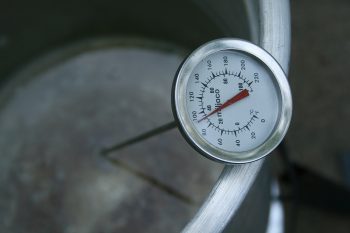
Temperature monitoring devices and data loggers can record conditions inside shipping containers during transit. Reviewing these records helps businesses identify temperature fluctuations and determine whether changes to insulation, pack placement, or shipping procedures are needed.
Regular testing is particularly important when changing packaging materials, shipping routes, product types, or delivery schedules.
9. Finding Suitable Cold Packaging Supplies
Choosing appropriate suppliers is an important part of maintaining a consistent cold chain operation. Businesses should compare product specifications, available sizes, storage instructions, and suitability for their shipping requirements.
When researching shipping ice packs suppliers, food businesses should consider product availability, packaging options, and whether the available cooling materials suit their fulfillment needs.
Conclusion
Keeping perishable products cold during shipping requires a combination of suitable insulated packaging, appropriate cooling materials, and careful shipment preparation. Shipping ice packs and gel packs can support temperature control, but their effectiveness depends on the complete packaging configuration and transportation conditions.
By testing packaging methods, monitoring shipment temperatures, and planning for potential delays, restaurants, meal kit providers, and online food retailers can improve their shipping processes and better protect temperature sensitive products.