When it comes to frozen vs fresh vegetables, the nutrition gap is much smaller than most people think, and sometimes it runs the other way. Lab studies have found frozen vegetables hold vitamins about as well as fresh ones, and occasionally better, because fresh produce keeps losing nutrients while it sits in your crisper drawer. Canned vegetables count too, as long as you watch the sodium.
That doesn’t make fresh pointless. Texture, flavour and what you’re cooking still matter, and a just-picked tomato in August is hard to beat. But the idea that frozen peas are a lesser, second-best choice doesn’t hold up.
Below, we check five common myths one at a time against peer-reviewed research, university extension advice and USDA data, then look at the times when fresh really is the better buy.
Key takeaways
- A study of eight fruits and vegetables found frozen versions had vitamin levels comparable to, and occasionally higher than, fresh ones.
- Blanching before freezing switches off enzymes that would otherwise dull colour, flavour and texture.
- Fresh produce keeps losing vitamin C in storage; refrigerated fresh peas and spinach dropped below frozen levels after about 10 days in one review.
- USDA MyPlate counts fresh, frozen, canned and dried vegetables equally toward your daily amount.
- Neither fresh nor processed produce is consistently cheaper, so compare by the cup, not the package.
Five myths at a glance
Here’s the short version. Each myth gets its own section below, with the evidence behind the verdict.
| Myth | Fact |
|---|---|
| Fresh vegetables are always more nutritious than frozen | Frozen are often comparable and sometimes higher in vitamins; beta-carotene is the main exception |
| Blanching destroys the nutrients | Blanching causes some loss, but it stops enzymes that would keep degrading the vegetable |
| Canned vegetables don’t count | MyPlate counts canned vegetables; choose low-sodium or no-salt-added versions |
| Fresh is always the budget option | USDA price data shows neither form is consistently cheaper |
| Vegetables in the fridge stay just as good for a week | Vitamin C in fresh produce can fall sharply within days, faster at room temperature |
Myth 1: Fresh always beats frozen
This is the big one. A study published in the Journal of Agricultural and Food Chemistry tested eight fruits and vegetables: corn, carrots, broccoli, spinach, peas, green beans, strawberries and blueberries. The researchers compared fresh, fresh-stored and frozen samples for vitamin C, riboflavin, vitamin E and beta-carotene.
Their overall finding was that the vitamin content of the frozen produce was comparable to, and occasionally higher than, the fresh versions. For vitamin C, five of the items showed no significant difference and the frozen samples came out higher in three. Riboflavin was mostly a tie, with frozen broccoli ahead and frozen peas behind.
The honest exception
Beta-carotene didn’t fare as well. The same study found it dropped sharply in some frozen items, including peas, carrots and spinach. So if you’re eating carrots specifically for beta-carotene, fresh has the edge. For most other vitamins, the freezer holds its own.
The best vegetable is the one you actually eat before it wilts.
Myth 2: Blanching strips out the good stuff
Vegetables headed for the freezer are usually blanched first: dipped briefly in boiling water or steam, then chilled fast. The University of Minnesota Extension explains why blanching matters: fresh vegetables contain enzymes that affect their colour, flavour and freshness, and blanching deactivates them so peak quality is preserved. Skip it, and those enzymes keep working in the freezer, leading to off tastes and textures.
Blanching isn’t free, nutritionally. A review from University of California researchers, published in the Journal of the Science of Food and Agriculture, reports that vitamin C losses across the whole freezing process can range from 10 to 80%, averaging around 50%. That sounds bad until you look at what happens to fresh produce over the same stretch, which is where Myth 5 comes in.
Blanching at home
If you freeze your own garden surplus, blanch it. UMN Extension gives these boiling-water times:
- Broccoli (1½-inch florets): 3 minutes
- Green beans: 3 minutes
- Green peas: 1½ to 2½ minutes
Plunge them straight into ice water afterwards, drain well, and freeze in flat bags so they don’t clump.
Myth 3: Canned vegetables don’t count
Canned vegetables get the harshest reputation, but USDA MyPlate is clear: vegetables may be raw or cooked, and fresh, frozen, canned, or dried all count. A can of tomatoes in your chili is a vegetable serving, full stop.
The UC review notes that canning causes a significant initial loss of vitamin C, but after that, further losses during storage and cooking are minimal. Its authors found that cooked canned and frozen products can contain similar or higher levels of vitamin C than cooked fresh ones, depending on the vegetable.
The real issue is sodium
Salt is where canned vegetables can trip you up. The federal MyHealthfinder lower-sodium shopping list suggests canned vegetables labelled low sodium or no salt added, and says you can rinse them to remove some of the sodium. It also gives a quick rule for reading labels: 5% Daily Value or less is low, and 20% or more is high.
- Look for “no salt added” on the can.
- Drain and rinse regular canned vegetables and beans.
- Pick plain frozen vegetables, not ones packed with butter or sauce.
- Season at the stove, where you control the salt.
Myth 4: One form is always cheaper
People assume fresh is the thrifty choice, or that frozen always saves money. USDA’s Economic Research Service looked at 2022 average retail prices for 155 fruits and vegetables, measured per cup equivalent, and concluded that neither fresh nor processed forms were consistently less expensive.
| Item | Fresh, per cup equivalent | Processed, per cup equivalent |
|---|---|---|
| Corn | $1.50 | $0.64 (frozen) |
| Spinach | $1.77 | $1.10 (frozen) |
| Carrots | $0.30 | $0.59 (canned) |
So frozen corn and spinach were the bargains, while fresh carrots beat canned. The practical takeaway is to compare by the cup, not by the bag, and to factor in waste. Frozen vegetables let you pour out what you need and put the rest back, so less ends up in the bin.
Myth 5: Fresh stays fresh in the fridge
This is the myth that quietly shapes the whole debate. Fresh vegetables start losing nutrients the moment they’re picked, and they keep going on the truck, on the shelf and in your fridge.
The UC review collected some striking numbers. Fresh spinach stored at room temperature lost all of its vitamin C in less than four days, and fresh peas at room temperature lost half in a week. Refrigeration slows things down but doesn’t stop it: levels in fresh peas and spinach kept at 4°C fell below those of the frozen product after about 10 days.
That’s why a bag of frozen peas can outperform the “fresh” pods you bought last Sunday and forgot about. Buy fresh in amounts you’ll use within a few days, and let the freezer cover the rest of the week.
When fresh really does win
None of this means you should give up fresh. It wins in plenty of kitchens and plenty of dishes.
- Raw dishes. Salads, slaws, crudités and anything that needs crunch. Freezing softens cell walls, so thawed vegetables go limp.
- Beta-carotene-rich vegetables. The study above found beta-carotene held up worse in several frozen items.
- Peak season. Local corn, tomatoes and asparagus eaten within a day or two are a different food from anything stored for weeks.
- Roasting and grilling. Fresh vegetables brown better; frozen ones release water and tend to steam.
For more everyday nutrition advice grounded in evidence, browse our healthy eating guides, or see our tips on roasting vegetables.
FAQ
Are frozen vegetables as healthy as fresh?
For most vitamins, yes. Research comparing the two found frozen vegetables comparable and occasionally higher, with beta-carotene the notable exception.
Should I rinse canned vegetables?
Rinsing removes some of the sodium, according to federal MyHealthfinder guidance. Choosing no-salt-added cans is even simpler.
Do I need to thaw frozen vegetables before cooking?
Usually not. Tip them straight into soups, stir-fries, pasta water or a hot pan. Thawing first just makes them soggier.
Do frozen vegetables count toward my daily vegetables?
Yes. USDA MyPlate counts fresh, frozen, canned and dried vegetables toward the vegetable group.
Stock your freezer this week
On your next shop, buy fresh vegetables for the first three or four days of meals and stock the freezer with plain peas, spinach, corn and broccoli for the rest. Check the labels for sauces and salt, and pick one no-salt-added can of tomatoes for the pantry. If you’re building a weekly routine around this, our meal prep guide shows how to plan it.
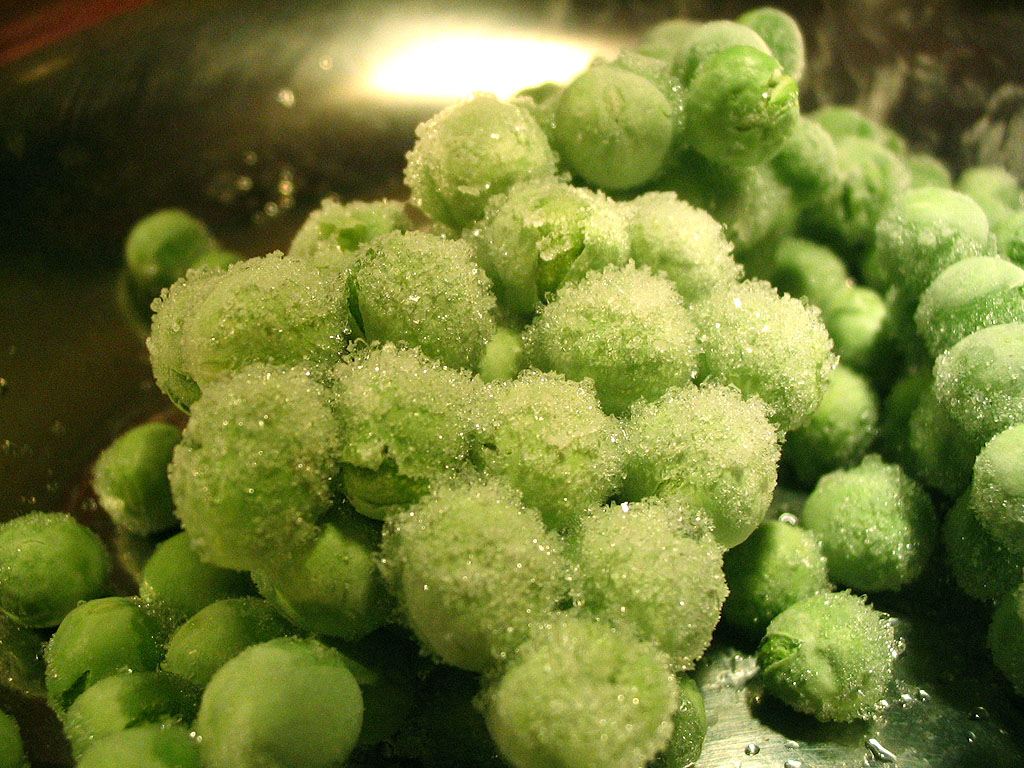
Featured photo: Frozen peas (384924971) by Francis Bijl from Groningen, Netherlands, BY 2.0.