Meal prep for beginners comes down to four moves: plan a short menu, shop from one list, cook in a smart order, and store everything so it stays safe until you eat it. Do that for two or three hours on a Sunday and most of your weekday lunches and dinners are handled.
The trick is not cooking more. It is cooking in the right sequence, so the oven, the stovetop and the fridge are all working for you at once, and knowing how long each dish can safely wait.
To make it concrete, we will follow a hypothetical two-person household through a single Sunday session, from Friday-night planning to Thursday’s last container. Swap in your own favourite recipes as you go.
Key takeaways
- Plan three or four recipes that share ingredients, not seven different dinners.
- Cook in order of time: oven first, then pots, then fresh prep while things simmer.
- Refrigerate cooked food within 2 hours, or within 1 hour above 90°F.
- Most cooked leftovers keep 3 to 4 days in the fridge, so freeze anything meant for Thursday or later.
- Reheat leftovers to 165°F, checked with a food thermometer.
Meet the household: a hypothetical Sunday
Say you share an apartment with a partner. You both work in the daytime, you want homemade lunches Monday to Thursday, and you would like three weeknight dinners that only need reheating. Friday is takeout or dinner out, and the weekend is flexible.
That is 8 lunches and 6 dinner portions, 14 meals in total. It sounds like a lot, but it only needs four recipes if they are chosen well:
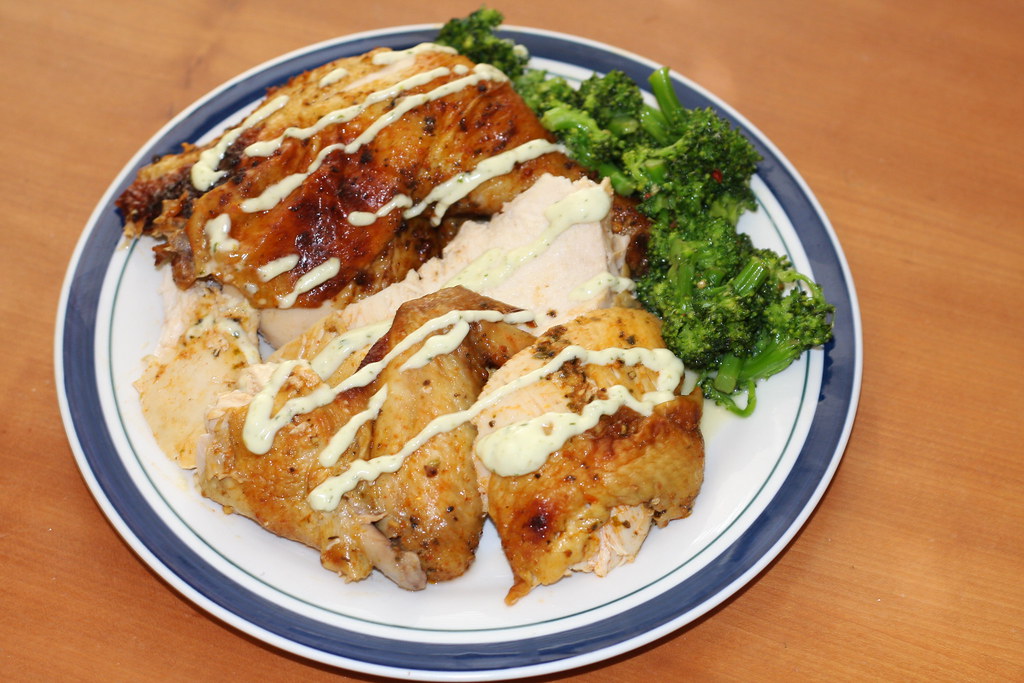
- Sheet-pan roast chicken thighs and vegetables for Monday and Tuesday lunches.
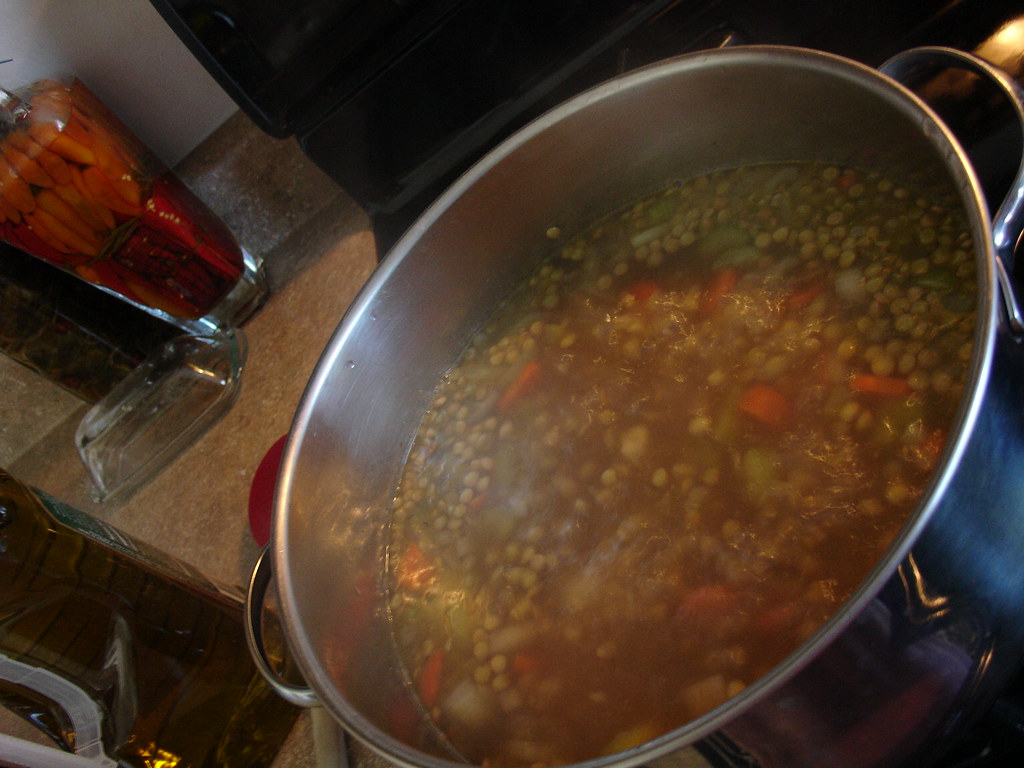
- A big pot of lentil and vegetable soup for Wednesday and Thursday lunches.
- Turkey chili for Monday and Wednesday dinners.
- A tray of hard-boiled eggs and a pot of rice as flexible add-ons all week.
Tuesday and Thursday dinners come from the freezer or a quick fresh meal, which keeps the week from feeling repetitive.
Step 1: Plan on Friday night
Ten minutes with a notepad saves an hour in the shop. Write down the four recipes, check what is already in the fridge and pantry, and look for overlap.
- Onions, garlic, carrots and peppers go into the soup, the chili and the roasting tray.
- One bag of rice covers the chili and the chicken lunches.
- A single spice set of cumin, paprika and oregano seasons the chicken and the chili.
Overlap is what makes meal prep cheaper and faster. If you want more ideas for shared-ingredient cooking, our guide to cooking well on a budget has plenty.
Step 2: Shop from one list
Group the list by store section so you walk the aisles once. For this household it looks roughly like this:
- Produce: 3 onions, 1 head of garlic, 6 carrots, 3 peppers, 2 zucchini, a bag of spinach, lemons.
- Meat and eggs: about 8 chicken thighs, a pack of ground turkey, a dozen eggs.
- Pantry: dried lentils, 2 cans of chopped tomatoes, 1 can of kidney beans, stock, rice.
- Containers: enough shallow, lidded containers for 14 portions, plus freezer bags.
A note on shopping day
Raw poultry and raw ground meat only keep 1 to 2 days in the fridge, according to FoodSafety.gov. If you shop on Saturday, plan to cook on Sunday. If you shop earlier, put the meat straight in the freezer and thaw it in the fridge.
Step 3: Cook in the right order
This is the part beginners usually get wrong. Start whatever takes the longest and needs the least attention, then fill the waiting time with prep. Here is how the Sunday session runs:
| Time | Task | Why now |
|---|---|---|
| 0:00 | Heat the oven; put eggs on to boil | The oven needs time to heat; eggs are hands-off |
| 0:10 | Chop all onions, garlic, carrots and peppers in one go | One chopping session for three recipes |
| 0:25 | Chicken and vegetables into the oven | The longest oven job goes in first |
| 0:30 | Start the lentil soup | It simmers unattended |
| 0:40 | Brown the turkey and start the chili | Second pot runs alongside the soup |
| 0:50 | Cool, peel and refrigerate the eggs | Clear them out of the way early |
| 1:00 | Cook the rice | Short job while everything else finishes |
| 1:15 | Chicken out; soup and chili off the heat | Everything is done within a few minutes |
| 1:20–2:00 | Portion, label and refrigerate or freeze | Beat the 2-hour cooling window |
Your timings will vary with your recipes and your stove. What matters is the shape: long, hands-off jobs first, shared chopping in one block, and packing straight after cooking.
Good meal prep is not about cooking faster. It is about never standing still while the oven does nothing.
Step 4: Cool and store it safely
The USDA’s Food Safety and Inspection Service says leftovers must be refrigerated within 2 hours of cooking, or within 1 hour if the temperature is above 90°F. It also warns that a big pot of soup takes a long time to cool, so split it into shallow containers rather than putting the whole pot in the fridge.
Keep your fridge at 40°F (4°C) or below and your freezer at 0°F (-18°C) or below. Then plan the week around these storage times:
- Cooked meat or poultry: 3 to 4 days in the fridge; 2 to 6 months in the freezer.
- Soups and stews with vegetables or meat: 3 to 4 days in the fridge; 2 to 3 months in the freezer.
- Hard-boiled eggs: 1 week in the fridge; do not freeze.
How the household applies it
Monday and Tuesday lunches, and Monday’s chili, go straight into the fridge. The Wednesday and Thursday soup portions and Wednesday’s chili are within the 3 to 4 day window if you cooked on Sunday, but the Thursday soup is right at the edge. The safer choice is to freeze Thursday’s portions and move them to the fridge on Wednesday night to thaw.
FSIS says frozen leftovers stay safe longer, but quality drops over time. When you reheat anything, make sure it reaches 165°F on a food thermometer.
What the week looks like
- Monday: chicken and roast vegetables with rice for lunch; chili for dinner.
- Tuesday: chicken lunch again; a quick fresh dinner, such as eggs and spinach.
- Wednesday: lentil soup and a hard-boiled egg for lunch; chili for dinner. Move Thursday’s soup from freezer to fridge.
- Thursday: thawed soup for lunch; a freezer meal or simple pasta for dinner.
By Friday the fridge is nearly empty, which is exactly the point. You start the next plan with a clean slate and a clear idea of what you actually ate.
FAQ
How long does meal prep last in the fridge?
According to FSIS and FoodSafety.gov, most cooked leftovers, including cooked meat, poultry and soups, keep 3 to 4 days in the fridge. Freeze anything you will not eat within that window.
How quickly should cooked food go in the fridge?
FSIS advises refrigerating leftovers within 2 hours of cooking, or 1 hour above 90°F, and dividing large amounts into shallow containers so they cool faster.
How many recipes should a beginner prep?
Three or four is a comfortable start. Choose dishes that share ingredients and use different cooking methods, such as one oven dish and two pots, so they can cook at the same time.
Do I need special containers?
Not really. Shallow, lidded containers help food cool quickly and stack neatly, and freezer bags are useful for soups and chili you plan to freeze.
Try your first session this Sunday
Pick just two recipes for your first attempt, such as a soup and a sheet-pan dinner, and follow the cook-order table above. Label every container with the date. For more ideas, browse our lifestyle guides or find a freezer-friendly soup recipe to add to your rotation.
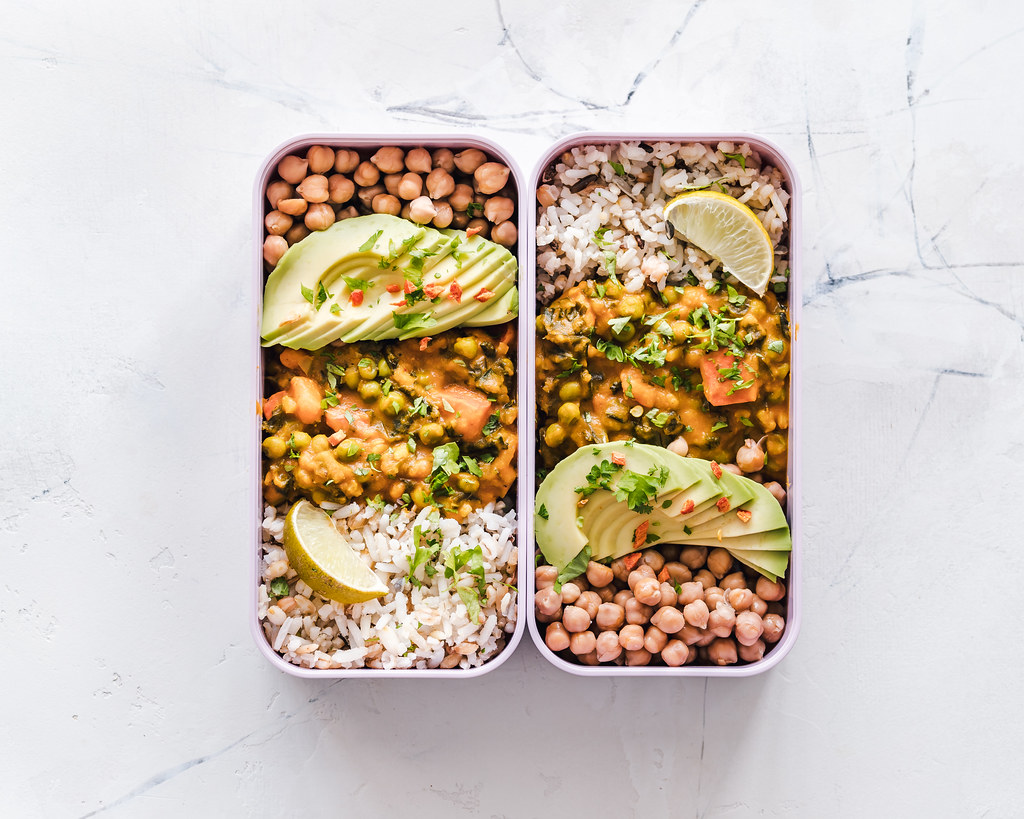
Featured photo: Meal prep container by ella.o, BY 2.0.