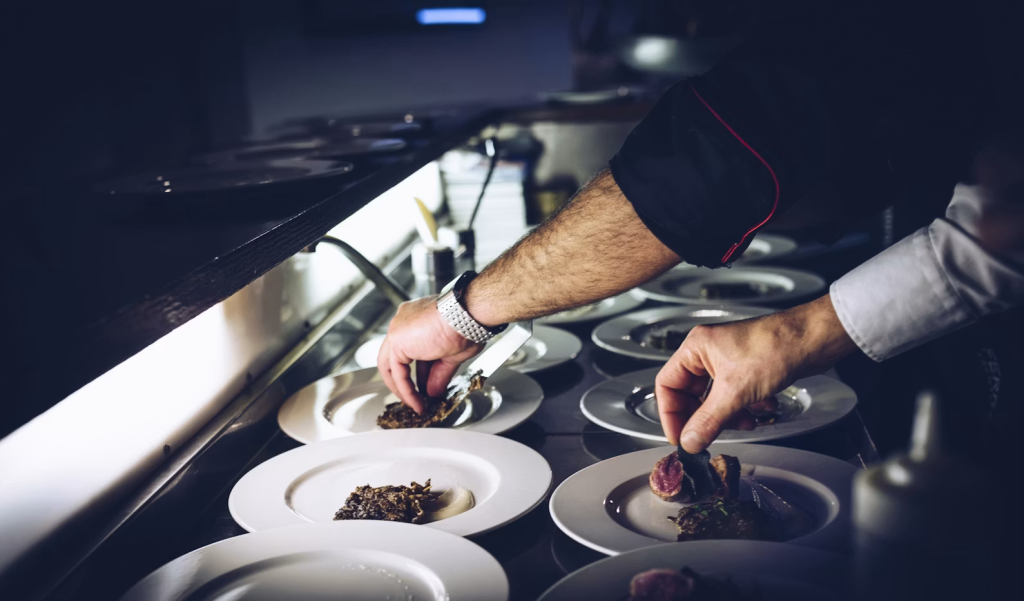
Ever wondered how that perfect new dish ends up on the menu?
It’s not a coincidence. There are weeks of trial and error behind every plate that comes off the pass. Chefs don’t just stumble upon a great recipe. They experiment, make adjustments, and perfect it until they get it right every time under the pressure of service.
And here’s the thing…
A recipe that tastes delicious when you try it once at home is a completely different animal on a hectic line. It needs to be quick, consistent, and reproducible for dozens of covers per night.
This article details step-by-step how professional kitchens turn concepts into plate ready recipes.
Let’s dig in!
In This Guide You’ll Find:
- Why New Recipes Matter So Much
- The Recipe Development Process
- How Chefs Test For The Line
- Getting Your Kitchen Set Up Right
Why New Recipes Matter So Much
New dishes are the lifeblood of any kitchen.
Menus can’t remain stagnant. Guests tire of dishes, food costs fluctuate, and competitors are constantly innovating. Menu innovation is one of the largest tools restaurants have.
Here’s proof. According to one industry poll, 39% of patrons reported they were optimistic about the future and craving new experiences from restaurant menus. Consumers want new. They want something they haven’t seen before.
Testing will come, but before any of that, there is the business of business to attend to. If you’re opening up a brick and mortar new food concept, pop-up, or ghost kitchen, you’ll need legitimate business address registration in order to become licensed and operate legally. Securing your business address registration ahead of time will allow you to run smoother down the line, and for kitchens operating out of commissary or virtual locations, a provider offering addresses in Seattle WA can provide you with a legitimate registered address that looks like a business without renting an expensive storefront. After all that paperwork is out of the way, you can have fun.
Here’s why chefs pour so much energy into new recipes:
- They drive traffic: A buzzy new dish gets people talking and posting.
- They boost profit: A well-costed recipe can carry a great margin.
- They keep regulars coming back: Returning guests love seeing fresh options.
That’s a win all around.
The Recipe Development Process
Okay but how does a chef actually create a new dish? Well it’s not as random as you would think.
Most kitchens operate under the same loose procedure. It starts with one idea and gradually develops into something that’s ready to be sent to the pass. Allow me to elaborate.
Start With A Concept
Every recipe begins with an idea.
It could be a seasonal product the chef saw at the farmers market. Perhaps it’s a flavour profile they dream about. Or it could be a hole in the menu.
The best chefs jot these ideas down immediately. They have a running list of things they want to try. This is where everything stems from.
Build The First Version
Next comes the first test cook.
This is the phase where the concept becomes reality on a plate. It won’t be perfect. But now they have something tangible to taste and respond to.
At this stage, chefs focus on:
- Getting the core flavours right
- Nailing the cooking technique
- Figuring out how the components fit together
They have something they like. Now it’s time to polish. Polish. Polish.
Refine, Taste, Repeat
Here’s where the real work happens.
A chef will prepare the same dish, repeatedly. Tweaking just one thing each time. A bit more acid here. Less cooking time there. They taste as they go, and take notes.
This step takes time, but it separates GOOD from GREAT. Chefs pursue perfection in consistency and balance. And it can only be achieved by elbow grease.
How Chefs Test For The Line
Now this is the part most people never think about.
Just because a recipe works in a test kitchen doesn’t mean it will survive a dinner service. The line is hectic. Tickets are coming in and every second matters. Chefs need to test their creations in those conditions before they open.
Time It Properly
Speed matters on the line.
If that dish takes eight minutes to plate during rush, it queues up every order behind it. Chefs time every new recipe to ensure it doesn’t throw off their flow. This becomes significant when you realize how slim profit margins are as is. The average restaurant nets between 3 and 5%.
A slow dish costs money. A fast one makes it.
Test For Consistency
The next question is simple: can everyone make it?
It doesn’t help if only the chef can make the dish. Every cook needs to be able to plate up the exact same thing. So cooks will have their cooks cook the recipe again and again. They do this until there are no inconsistencies.
Here’s what they’re checking for:
- Does it taste the same each time?
- Does it look the same on the plate?
- Can it be made under pressure without dropping quality?
If any of those is answered with no, back to the drawing board.
Write The Spec Sheet
Finally, the recipe gets written up properly.
Every professional kitchen keeps a written record of its recipes called a spec sheet. This includes precise measurements, plating guides and timing. It eliminates the guessing.
Dishes float without a spec sheet. Stay consistent with a spec sheet regardless of cook.
Getting Your Kitchen Set Up Right
Great recipes need a great kitchen behind them.
Recipe testing requires room to work with along with a bit of time and organisation. If you have a cramped kitchen it makes recipe testing more difficult than it needs to be. Get organised before you start developing recipes.
It also means an organized station for recipe development and testing, a standardized method for taking notes and a strategy for implementation of new recipes to the staff. The best kitchens develop by truly scheduling development time into their week.
And it’s worth doing. The restaurants that keep innovating are the ones that thrive.
Bringing It All Together
Developing a new recipe for the line is a real craft.
It doesn’t just taste delicious. It also builds a recipe that can come together quickly, consistently and holds up under pressure when your restaurant gets slammed. Okay chefs, let’s review quickly:
- Start with a single concept or idea
- Build a rough first version to react to
- Refine it over and over until it’s balanced
- Test it hard under real service conditions
- Write a spec sheet to lock in quality
That process right there is what differentiates home cooking from restaurant cooking. Patience. Discipline. Tons of tasting.
That way, when you get served an amazing new creation next time you dine, you’ll understand how much effort it takes to make it there.