Fine dining is a shared experience shaped by presence, attention, and quiet elegance. It begins the moment you arrive and continues through every gesture at the table. Whether you are attending a formal celebration, meeting clients for dinner, or treating yourself to something special, knowing how to carry yourself brings a sense of calm and ease. From the way you sit to the way you toast, each detail adds to the atmosphere. Even subtle elements such as elegant bar accessories or the ceremonial use of a sabering sword to open vintage champagne can influence the tone of the evening.
Etiquette is not about strict rules or trying to impress others. It is about making people feel comfortable, including yourself. When you move through the meal with intention, you create space for thoughtful conversation and quiet enjoyment. Everything feels more connected and more natural. Whether this is your first fine dining experience or one of many, understanding the rhythm of the table helps you feel at home in any setting.
Dress Appropriately and Respect the Setting
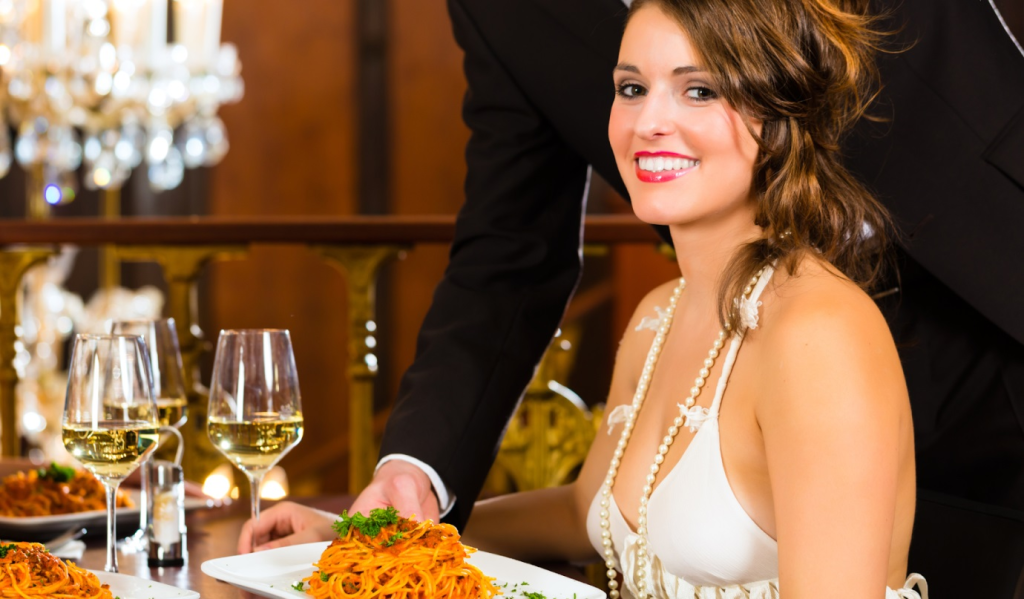
Your appearance sets the tone before you even sit down. Most fine dining restaurants expect a smart, polished look. If you are unsure what to wear, choose something more formal rather than less.
For men:
- A well-fitted button-down shirt, slacks, and dress shoes
- A blazer or jacket for more formal venues
For women:
- A modest cocktail dress, elegant blouse with trousers, or a dressy skirt
- Low to medium heels or polished flats
Avoid sneakers, graphic tees, ripped jeans, or anything too flashy. Keep perfume subtle, accessories minimal, and grooming neat. Being well-dressed shows you appreciate the care the restaurant puts into its service and ambiance.
Understand the Table Setup Before You Start Eating
The place setting is not there to confuse you. It is there to guide you. Every utensil, plate, and glass has a purpose and an order. Learning how to read the table helps you move through the meal without second-guessing yourself.
- Use utensils from the outside in as courses progres
- Bread plate is on your left, drink glasses on your right
- Rest used utensils on your plate, never on the table
- When finished, place your knife and fork parallel across the center of your plate
You do not need to memorize every detail. Just observe the order, take your time, and watch how others handle each course.
Use Your Napkin Properly from Start to Finish
The napkin is more than a piece of fabric. It is part of the communication between you and the staff. When used correctly, it signals your intentions without a word.
- Place the napkin on your lap as soon as you sit down
- Dab your mouth gently, do not wipe or blot aggressively
- If you leave the table briefly, place the napkin neatly on your chair
- At the end of the meal, place it folded to the left side of your plate
Never leave your napkin on your plate or crumpled on the table. These small gestures show you understand the flow of service and care about the details.
Mind Your Manners Throughout the Meal
The way you carry yourself at the table matters just as much as how you eat. Good manners are quiet but powerful. They make everyone at the table feel more comfortable and respected.
Keep in mind:
- Sit upright, with your hands visible but elbows off the table
- Chew with your mouth closed, and never speak with food in your mouth
- Pass food or condiments instead of reaching across others
- Serve others before yourself when sharing items like bread or appetizers
- Never double-dip or use your own utensils for shared dishes
Silence your phone and keep it off the table. Your attention should stay with the people around you.
Speak Thoughtfully and Know When to Pause
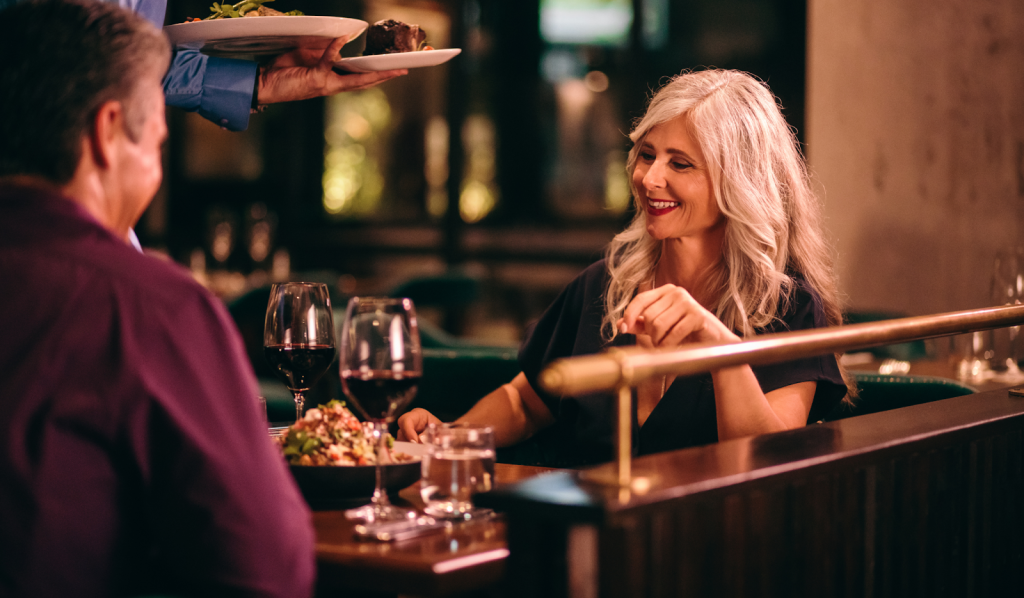
Conversation is welcome at the table, but timing and tone matter. Speak in a calm, even voice and wait until others are served before starting any long conversations.
Keep your topics light, respectful, and inclusive. Avoid anything that could make someone uncomfortable, especially when dining with people you do not know well. Listen actively and show genuine interest in others. This creates a relaxed environment where everyone can enjoy themselves.
If you need help from the server, make eye contact and wait for an appropriate moment. Never raise your voice or wave across the room. Fine dining staff are trained to read your cues and respond when needed.
Order Wine and Alcohol the Right Way
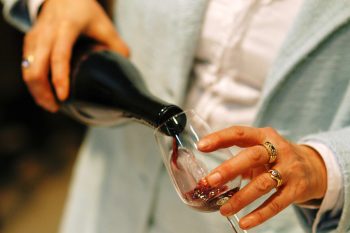
Ordering wine in a formal setting does not require you to be an expert. It simply means being honest and thoughtful. If there is a sommelier, feel free to ask for help. Share your budget, the type of flavors you prefer, or the dish you plan to order. Their job is to recommend something that fits both your taste and the occasion.
When offered a sample to taste:
- Swirl and sniff to check for freshness, not to judge the wine
- Nod or say “yes, thank you” if it is acceptable
- The server will then pour for the table
Drink slowly and respectfully. Avoid overindulging. Follow the host’s lead with toasts, and never interrupt the flow of the meal with excessive drinking.
Move Through Each Course with Awareness
A formal meal often includes multiple courses, each with its own rhythm. Let the pace be set by the restaurant and those around you. Wait until everyone has been served before beginning to eat. If there is a delay for someone’s dish, it is polite to wait unless they insist you begin.
Eat at a moderate pace. Do not rush or lag too far behind. Avoid leaving the table during the meal unless necessary. If you must step away, excuse yourself quietly and leave your napkin on the chair.
Some dishes may come with unexpected elements, such as amuse-bouche or palate cleansers. Accept these gracefully, even if you choose not to eat them. They are part of the experience.
Respect the Chef’s Craft
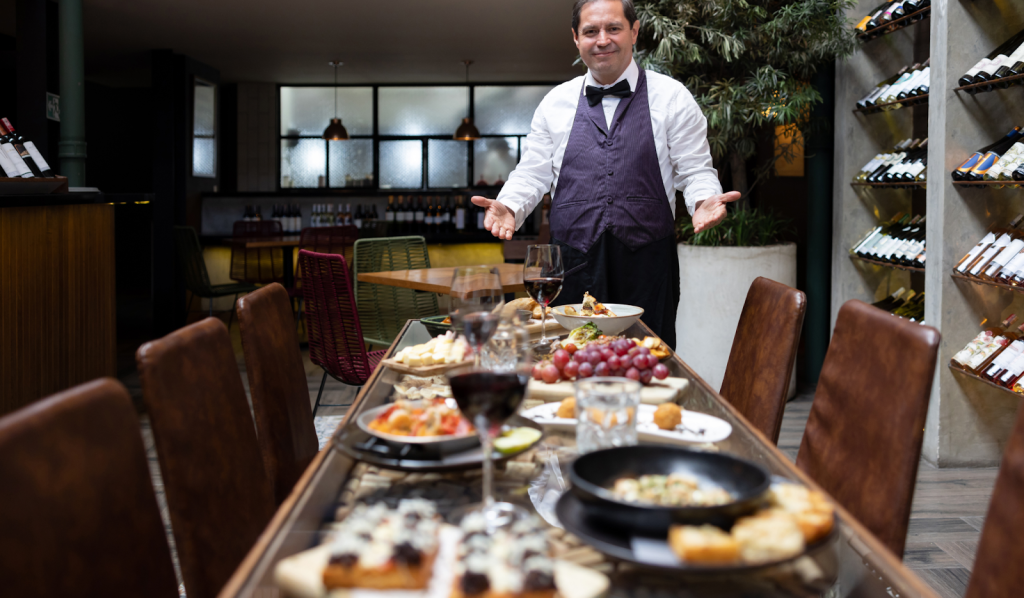
Chefs in fine dining restaurants design dishes with specific balance, technique, and presentation in mind. Avoid customizing orders unless you have a dietary restriction or allergy. Making changes to a carefully crafted menu item can come across as dismissive of the chef’s skill.
If you have special requirements, inform the staff in advance or ask what alternatives are available. Many restaurants offer vegetarian, gluten-free, or tasting menus upon request. Asking respectfully shows appreciation rather than entitlement.
Handle Payment and Tipping with Discretion
If you are the host, take care of the bill without drawing attention. Ask discreetly for the check or settle the payment away from the table. Tipping standards vary, but in the United States, a 15 to 20 percent tip is expected for excellent service.
- If gratuity is already included, no extra tip is required
- If someone on staff went out of their way, an additional cash tip is thoughtful
- Thank your server verbally before leaving
Gratitude can also be expressed by leaving a positive review, mentioning a staff member by name, or simply returning for another visit.
What to Do If Something Goes Wrong
Everyone makes mistakes at the table. What matters is how you respond. If you spill a drink or use the wrong utensil, stay calm. Apologize softly if needed and move on without calling extra attention to it.
If something feels unfamiliar, take a quiet moment to observe others. You can also ask the server privately. Most staff are happy to help without judgment.
Composure speaks louder than perfection. Focus on the experience, enjoy the moment, and remember that etiquette is about creating comfort, not pressure.