If you only have a few days, here is what to eat in Oaxaca: at least two of the state’s seven moles, a tlayuda hot off the coals, a spoonful of toasted chapulines, a cold gourd of tejate, and a plate of tasajo from the smoky grills of the Mercado 20 de Noviembre. Finish with a slow glass of mezcal in the historic centre, and you’ve covered the essentials.
Oaxaca de Juárez is a city where the best food is often the simplest to find. Most of it sits within a few blocks of the zócalo, in markets that have fed locals for well over a century and in restaurants that treat village recipes with real respect.
This guide goes dish by dish, then points you to the markets and a short list of places we’ve confirmed are open, all in the Centro. We’ve left out prices and opening times unless the venue or a recent reliable source publishes them, so check before you go.
Key takeaways
- Oaxaca is known for seven classic moles: negro, rojo, coloradito, amarillo, verde, chichilo and manchamanteles.
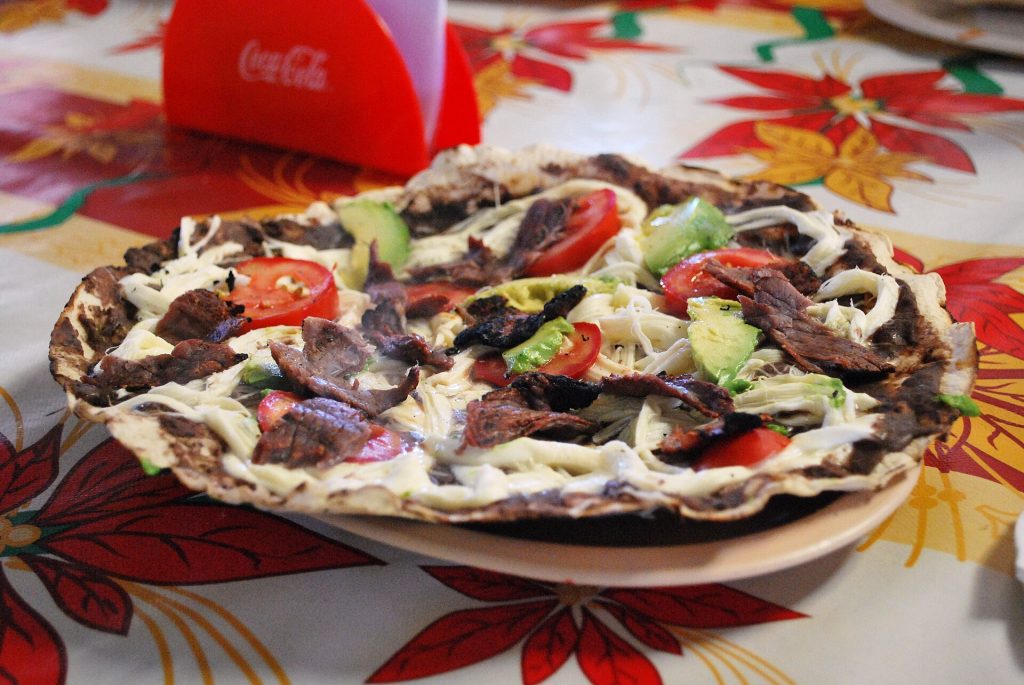
- Tlayudas are huge, chewy corn tortillas spread with asiento, beans and quesillo, then toasted over charcoal.
- The Pasillo de Humo inside Mercado 20 de Noviembre grills the meat you pick in front of you.
- Mercado Benito Juárez, open since 1893, is the place for chapulines, quesillo, mole pastes and mezcal.
- Try tejate, a cold, pre-Hispanic maize and cacao drink served in a painted gourd.
The seven moles, and how to tell them apart
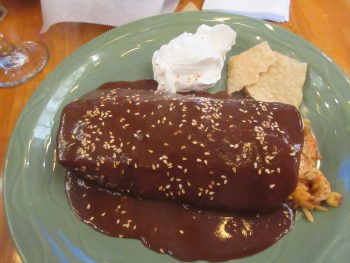
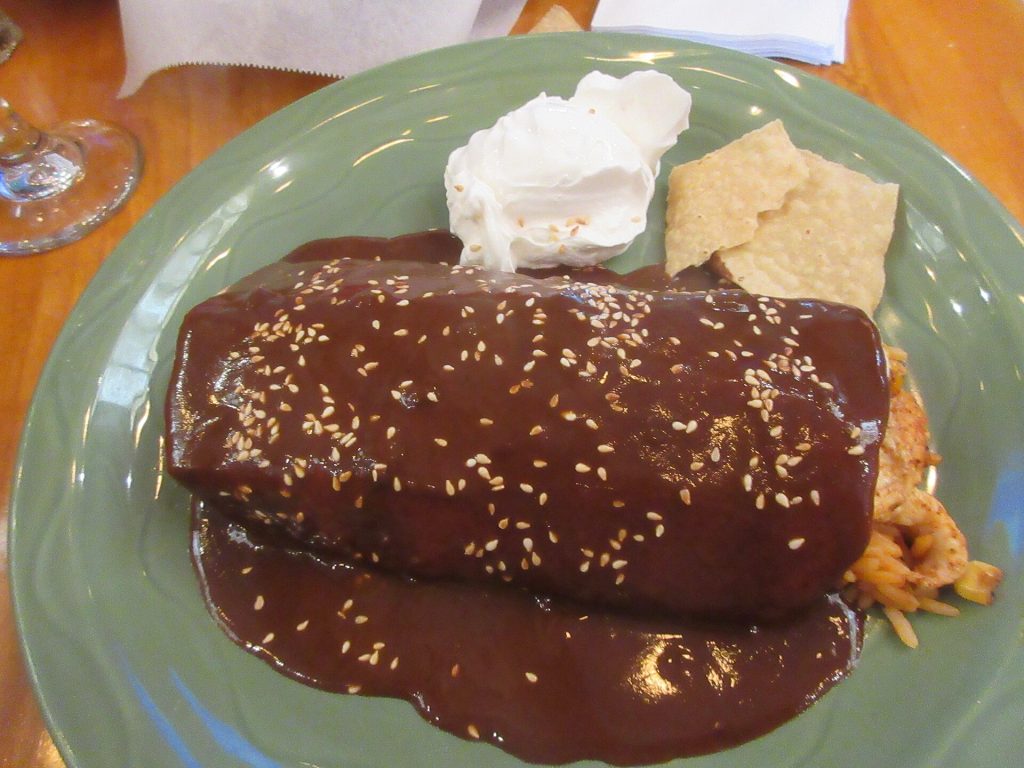
Oaxaca’s reputation as the land of seven moles is well earned, though cooks will tell you there are many more. Each sauce is a long, layered project of toasted chiles, spices, seeds and sometimes fruit or chocolate. Mexico Desconocido’s guide to the seven moles is a good primer on what goes into each one.
| Mole | What defines it | Usually served with |
|---|---|---|
| Negro | Chilhuacle negro and rojo plus pasilla chiles, seeds, spices, plantain and bread; nearly black | The signature mole of the Central Valleys |
| Rojo | Much like negro, but with less-toasted chiles and chocolate; one of the two spiciest | Chicken and rice |
| Coloradito | Ancho and chilhuacle rojo; reddish brown; one of the two spiciest | Pork, chicken, rice |
| Amarillo | Several chiles plus cumin, clove and oregano, thickened with masa | Beef, pork or wild mushrooms |
| Verde | Pumpkin seeds, sesame, jalapeño and fresh herbs | Pork or chicken |
| Chichilo | Dark chiles, dried avocado leaves and charred tortillas; the least known of the seven | Beef with vegetables or beans |
| Manchamanteles | Fruit such as plantain, peach, apple, pear and pineapple; thinner | Festive dishes |
How to order your first mole
- Start with negro to understand the benchmark, then pair it with something brighter like amarillo or verde.
- If you’re sensitive to heat, ask before ordering coloradito or rojo, which Mexico Desconocido rates as the spiciest of the seven, though heat varies by cook.
- Buy mole paste at a market stall to take home. It keeps well and turns a Tuesday chicken into something special.
Tlayudas, chapulines and the street-food staples
Tlayudas
A tlayuda is a very large, thin corn tortilla spread with asiento (unrefined pork lard), black beans and stringy Oaxacan quesillo, then topped with meats such as tasajo or chorizo and toasted over coals. Oaxaca’s state congress declared the tlayuda and quesillo part of the state’s gastronomic heritage in December 2023. The tortilla should stay chewy at the centre; cook it too long and it turns to a cracker.
Chapulines
Toasted grasshoppers are a snack, a taco filling and a tlayuda topping. Street vendors around the Mercado Benito Juárez sell them seasoned with garlic or chile. They taste mostly of lime, salt and chile, with a crunch like a good bar snack. Start with a pinch on a tostada before committing to a bag.
Tasajo and cecina
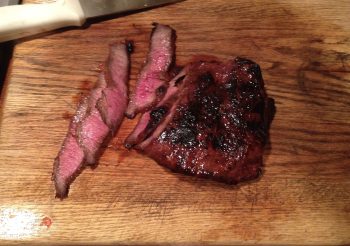
Thin sheets of salted beef (tasajo) and chile-rubbed pork (cecina enchilada) hang at butcher stalls across the city. The classic way to eat them is grilled over charcoal and folded into fresh tortillas with salsa, onion and cilantro, which brings us straight to the markets.
In Oaxaca the best meal of the trip often costs less than the taxi to the airport, and it comes off a charcoal grill in a market hallway.
Tejate, chocolate and what to drink
Tejate is the drink most visitors miss. According to Mexico Desconocido, it’s made by grinding maize, cacao, mamey seed and rosita de cacao flower into a paste, then working it by hand into cold water in a clay pot until a pale foam rises to the top. It’s served very cold in red-painted gourds called jícaras. San Andrés Huayápam, in the Central Valleys, is its home town and hosts an annual tejate fair.
Hot chocolate made with water is the other everyday drink, and it’s the traditional partner for grilled meats in the markets. Then there’s mezcal, the agave spirit Oaxaca is most famous for. Sip it slowly rather than shooting it, and ask what agave and village each pour comes from.
The two markets to start with
Mercado Benito Juárez
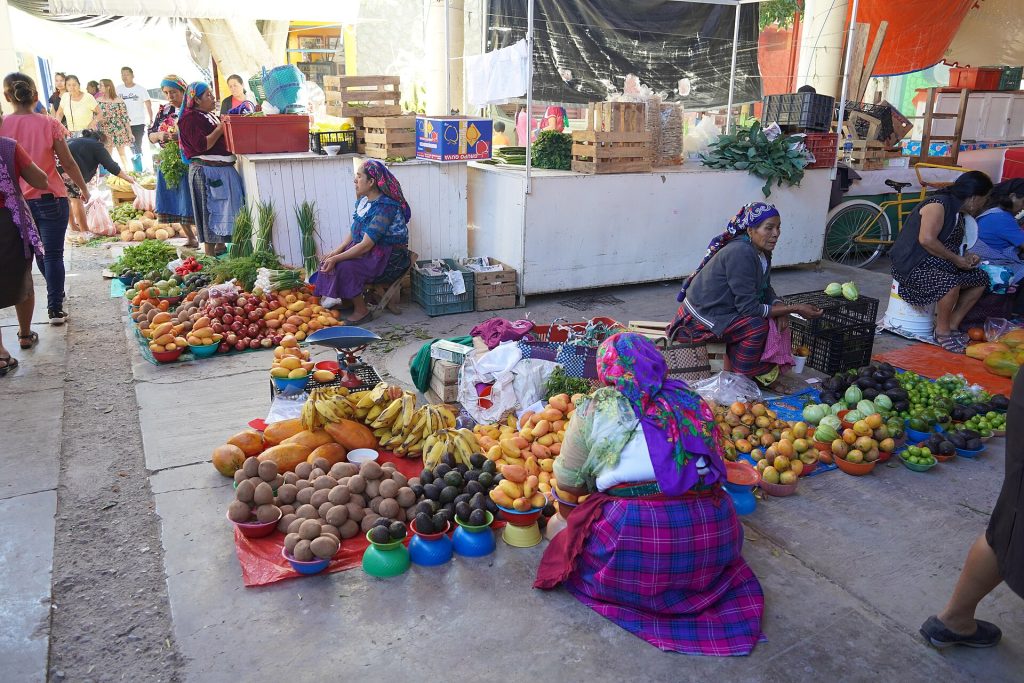
The city’s oldest market opened in 1893, a block from the zócalo, with entrances on Flores Magón, Las Casas, 20 de Noviembre and Aldama streets, according to Qué Pasa Oaxaca. Inside you’ll find quesillo, mole, herbs, spices and mezcal alongside crafts and textiles, with fresh fish and meat toward the back. Chapulines and tlayudas are sold on the street outside.
Mercado 20 de Noviembre and the Pasillo de Humo
Just across the street, on Calle 20 de Noviembre in the Centro, this market is where you eat rather than shop. Its famous corridor is the Pasillo de Humo, or smoke hall, named for the charcoal smoke that fills it. As Heraldo de México reported in January 2026, you choose tasajo, cecina, chorizo or ribs from a butcher, the meat is grilled on the spot, and you eat at shared tables with salsas, onion and cilantro. The same report says the corridor opens from 7 a.m. every day.
- Pick your meat first, then buy tortillas, grilled onions and chiles from the vendors nearby.
- Point and ask for a small amount; it’s sold by weight.
- Grab a seat at a communal table and order a hot chocolate with water to go with it.
Sit-down restaurants worth booking
Markets cover breakfast and lunch. For dinner, these three spots in the Centro are well established and confirmed open.
Casa Oaxaca
Chef Alejandro Ruiz’s Casa Oaxaca at Constitución 104-A serves contemporary Oaxacan cooking with a bar and an open-air terrace, and takes reservations online. It’s a good place to try mole in a more refined setting.
Levadura de Olla
Chef Thalía Barrios García cooks the food of her home region, the Sierra Sur, in a courtyard on Manuel García Vigil 304. The MICHELIN Guide awarded it one star in its 2026 Mexico guide and highlights dishes built on local produce and traditional recipes. Book ahead, as seatings are set times.
In Situ Mezcalería
Founded by mezcal writer Ulises Torrentera, In Situ on Calle Vicente Guerrero 413 in the Centro is one of the city’s best-known mezcal bars. Ask the staff to walk you through a flight of different agaves.
Looking for more places to eat on your travels? Browse our restaurant directory or read more food travel guides.
FAQ
How many moles should I try in Oaxaca?
Aim for at least two contrasting ones, such as negro and amarillo. Many restaurants and market fondas offer more than one, so you can compare side by side.
Is market food in Oaxaca safe to eat?
Busy stalls with high turnover and food cooked to order in front of you, like the Pasillo de Humo grills, are a sensible choice. Use your usual travel judgement with raw produce and ice.
What is the difference between a tlayuda and a quesadilla?
A tlayuda is a much larger, thinner tortilla spread with asiento and beans, loaded with toppings, and toasted over charcoal. It’s often served folded or open-faced to share.
Where does tejate come from?
San Andrés Huayápam in the Central Valleys near Oaxaca de Juárez is considered its home and holds a yearly tejate fair.
Plan your first day of eating
On your first morning, head to the Mercado Benito Juárez for chapulines and a mole paste to take home, cross to the Pasillo de Humo for a tasajo lunch, and find tejate at a market stand in the afternoon. Book one dinner at Casa Oaxaca or Levadura de Olla, and end at In Situ. Back home, try our easy mole recipe or Mexican food guides to keep the trip going in your own kitchen.
Featured photo: El Gato Negro French Market Place New Orleans 17 Dec 2018 04 by Infrogmation of New Orleans, BY-SA 4.0.