The free bread basket used to be a given at sit-down restaurants. It showed up before the menus were even open, and nobody thought twice about it. That’s changing. Flour, butter, and labor all cost more than they did a few years ago, and owners are taking a harder look at a course that brings in no money and often ends up in the trash. Most restaurants land on one of three choices: keep the basket, charge for it, or turn their bread into something guests take home. This guide walks through what each option does to margins and to how the meal feels from the guest’s side of the table.
Key takeaways
- A free basket is a real food and labor cost, and a large share of it often goes uneaten.
- Charging for bread works best when the bread is clearly house-made and worth ordering.
- Serving bread only on request cuts waste without making guests feel shortchanged.
- Selling whole loaves to go can turn a cost center into a small retail line.
What free bread actually costs
A basket looks cheap on its own. A few slices, a pat of butter, maybe some olive oil. The problem is volume. Multiply that basket by every table, every night, and it adds up fast. A restaurant that serves 150 covers a night might put out well over a hundred baskets, and each one carries the cost of the bread, the butter or oil, the linen or paper liner, and the time someone spent slicing, warming, and running it to the table.
Waste is the part owners notice first. Half-eaten baskets come back to the kitchen all night, and food safety rules mean that bread can’t go back out. Some kitchens turn day-old loaves into croutons or bread pudding, which helps. The bread that has already been served to a table, though, is gone.
Why house-made bread changes the math
Bought-in dinner rolls are a small line item. House-baked bread is different. It takes flour, starter or yeast, oven space, and a baker’s early morning shift. When a restaurant bakes its own bread, the basket stops being a minor courtesy and becomes one of the more labor-heavy things on the menu, except it’s the only item that earns nothing.
The guest’s side of the equation
Bread still does something for the meal. It gives guests something to do while they wait, takes the edge off hunger, and signals hospitality before the first order goes in. Pull it without explanation and some regulars will notice. So the real question is what a restaurant can offer instead that guests still read as generous.
Option one: keep the basket, but make it smaller
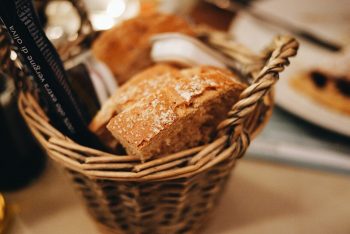
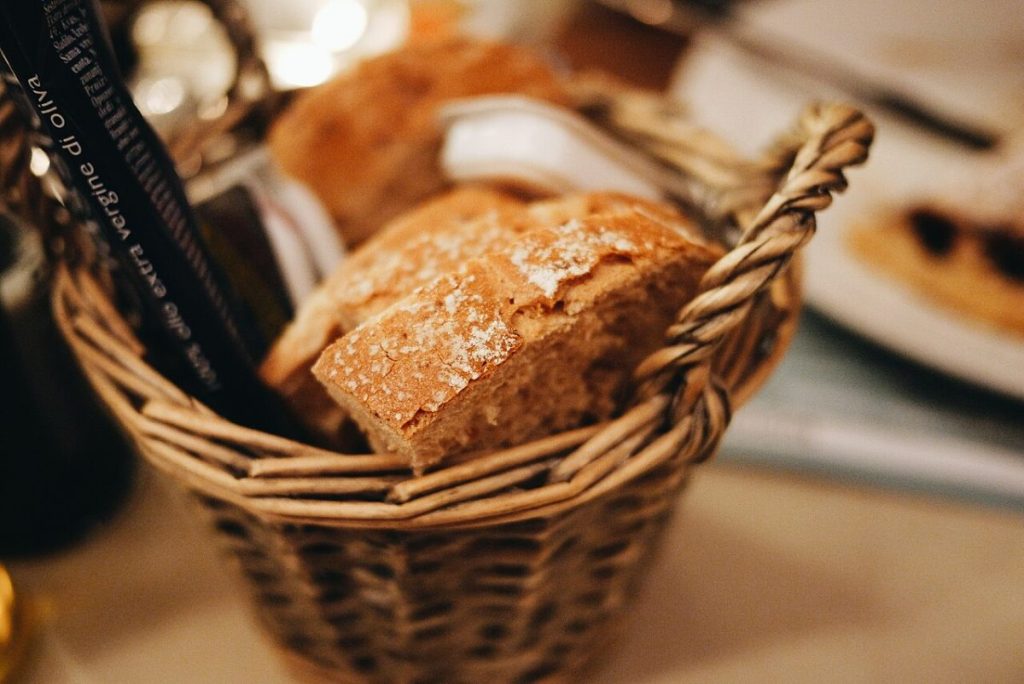
Plenty of restaurants keep free bread and simply change how it’s served. The most common fix is portion size. Two warm slices per guest instead of an overflowing basket cuts waste without looking stingy, especially when the server offers more.
Another approach is bread on request. The server mentions it when taking drink orders, and only tables that say yes get a basket. Guests who want bread still get it free, and tables that were never going to eat it don’t generate waste. This works especially well at lunch, when many diners skip bread anyway.
The best bread service is the one guests remember, not the one they push to the side of the table.
Option two: charge for bread
Charging for bread used to feel like a risk. Now it’s common, especially at restaurants where the bread is a point of pride. A house sourdough with cultured butter or a warm focaccia with good olive oil can sit on the menu as a starter, and guests who order it tend to see it as a dish, not a freebie that was taken away.
When charging works
The bread has to be good enough to order on its own. A paid basket of the same rolls that used to be free will read as a price increase, and guests will say so. Restaurants that pull this off usually describe the bread on the menu the way they’d describe any other dish: the grain, the starter, how long it ferments, what comes with it. That detail tells guests they’re paying for something made in-house.
Pricing without backlash
Most restaurants keep bread priced as a low-commitment starter rather than a full appetizer. The goal is for it to cover its cost and a modest margin, not to become a profit center. A shareable portion priced for the table, rather than per person, also feels less like a charge and more like an easy add-on.
Option three: sell the bread to take home
Some restaurants have found that their bread has a following of its own. Guests ask if they can buy a loaf, or ask where the bread comes from. That demand is a chance to turn a cost into income.
Some spots have moved the bread from the table to the host stand, selling whole loaves in custom printed bread bags that keep the restaurant’s name on the kitchen counter long after dinner. A guest who takes home a loaf on Friday is thinking about the restaurant again on Saturday morning, which is a kind of marketing a free basket never delivered.
What a take-home program needs
This doesn’t need a full bakery counter, but it does take some planning:
- A predictable daily bake, so loaves don’t run out by 7 p.m. or pile up unsold
- A visible spot near the entrance or host stand where guests see the bread on the way out
- Packaging that keeps the crust in good shape and carries the restaurant’s name
- A simple way to add a loaf to the check, so servers can offer it at the end of the meal
Pre-orders are another low-risk way to start. A weekend loaf list on the restaurant’s website or social pages tells the kitchen exactly how much to bake, and it brings guests in for a quick pickup even on nights they aren’t dining in.
Comparing the three approaches
Approach
Effect on margins
How guests tend to react
Best fit
Smaller free basket or bread on request
Cuts waste and food cost, still no revenue
Usually neutral, especially when servers offer it warmly
Casual and family restaurants
Paid bread service
Covers its own cost with a small margin
Positive when the bread is clearly house-made
Restaurants known for their bread or baking
Take-home loaves
Adds a retail line and keeps the brand in guests’ homes
Often enthusiastic from regulars
Restaurants with a bread guests already ask about
These aren’t either-or choices. A restaurant can serve a small free portion, offer a paid bread course for guests who want more, and sell loaves at the host stand, all at once.
Free bread FAQ
Do guests get upset when restaurants stop serving free bread?
Some do, especially regulars who are used to it. The reaction is usually mild when the change comes with a reason, like a new house-baked bread worth ordering, or when servers still offer bread on request.
Is it cheaper to buy bread or bake it in-house?
Buying is usually cheaper on a per-slice basis. Baking in-house costs more in labor and oven time, but it gives the restaurant a product it can charge for and sell, which bought-in rolls rarely support.
What should restaurants do with leftover bread?
Unserved bread can become croutons, breadcrumbs, bread pudding, panzanella, or a staff meal. Bread that has already gone out to a table has to be thrown away, which is why portion control matters so much.
How much should a restaurant charge for bread service?
Most price it as a low-cost starter meant to cover ingredients and labor with a small margin. Pricing it for the table instead of per person tends to feel more reasonable to guests.
Your next step
Before changing anything, count what comes back. For one week, have the dish station note how many baskets return half-full or untouched. That number tells you whether the problem is portion size, how often bread goes out, or the bread itself. From there, pick one change, whether that’s smaller portions, a paid bread course, or a few loaves for sale by the door, and watch how guests respond for a month before deciding on the next.