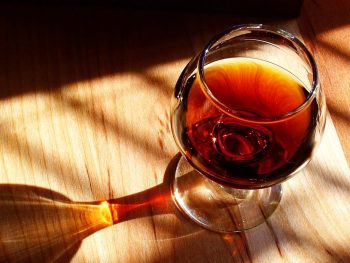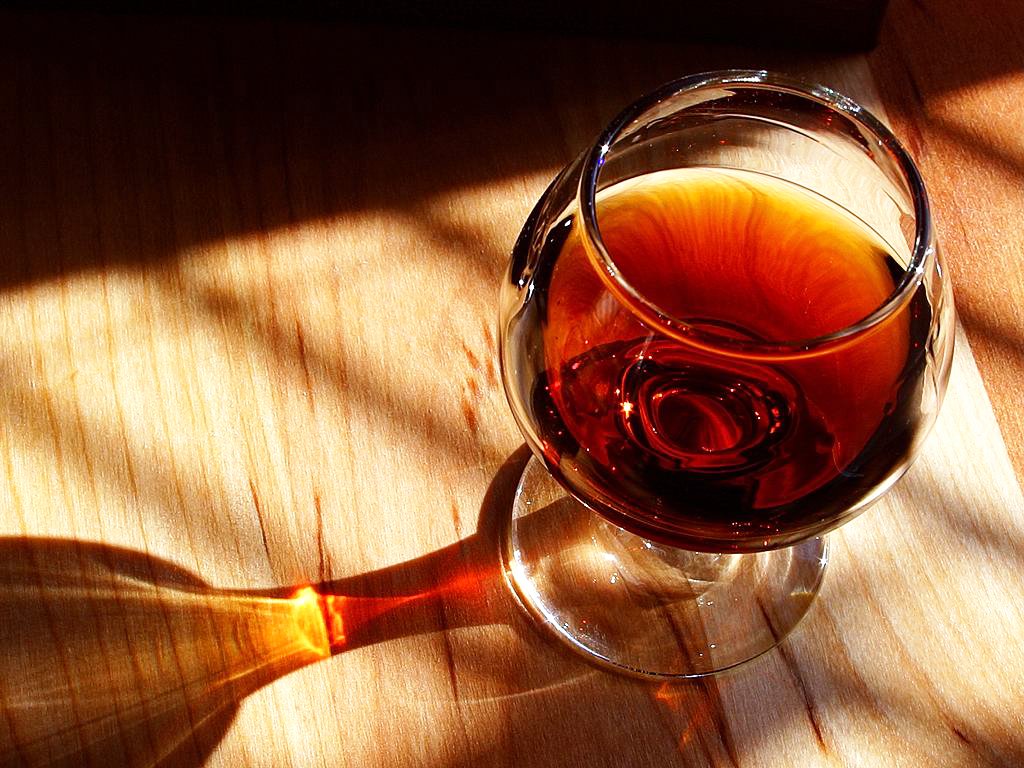
The short answer to port vs sherry: port is a sweet, fortified red or white wine from Portugal’s Douro Valley, stopped mid-fermentation with grape spirit so natural sugar stays in the glass. Sherry comes from the area around Jerez in southern Spain, and most of it is fortified after fermentation and bone dry. Madeira, from the Portuguese island of the same name, is fortified too but gets its character from warm, oxidative ageing, and it ranges from dry to lusciously sweet.
All three are wines with extra alcohol added, but they’re made differently, taste completely different and belong at different points in a meal. Pour a chilled fino with olives, a ruby port with chocolate, a medium-dry Madeira with a bowl of soup, and you’ll see why.
Here’s how they compare, with the facts drawn from each wine’s official regulatory body.
Key takeaways
- Port is fortified during fermentation, leaving natural sweetness and 19 to 22% alcohol.
- Sherry’s dry styles have at most 5 grams of sugar per litre; fino ages under a layer of flor yeast, oloroso without it.
- Madeira is aged with warmth, either heated in tanks or slowly in casks, and its grape names signal sweetness.
- Serve fino well chilled, tawny port and oloroso cool, and ruby port just below room temperature.
- An opened bottle of fino lasts about a week in the fridge; an aged tawny can last months.
In this guide
- Port vs sherry vs Madeira at a glance
- Port: sweet wine from the Douro
- Sherry: from bone-dry fino to syrupy PX
- Madeira: the wine that is aged with heat
- How to serve them and what to eat with them
- FAQ
- Start with a three-glass tasting
Port vs sherry vs Madeira at a glance
| Port | Sherry | Madeira | |
|---|---|---|---|
| Origin | Douro Demarcated Region, Portugal | Jerez, El Puerto de Santa María and Sanlúcar de Barrameda, province of Cádiz, Spain | Demarcated Region of Madeira, Portugal |
| Main grapes | Red and white Douro varieties | Palomino for dry styles; Pedro Ximénez and Moscatel for naturally sweet | Sercial, Verdelho, Boal, Malvasia, Terrantez, Tinta Negra |
| When it is fortified | During fermentation, with grape spirit | After the base wine is made and classified | Fermentation interrupted with neutral alcohol |
| Alcohol | Usually 19 to 22% | About 15% for fino; 17 to 22% for oloroso | 17 to 22% |
| Signature ageing | Bottle (ruby styles) or cask (tawny styles) | Solera system, under flor or oxidatively | Heat: estufagem tanks or canteiro casks |
| Sweetness range | Mostly sweet; white port runs extra dry to very sweet | Bone dry to intensely sweet | Dry (Sercial) to sweet (Malvasia) |
| Classic moment | After dinner, with dessert or cheese | Aperitif with tapas, or with dessert for PX | Aperitif, soup course or dessert, by style |
Port: sweet wine from the Douro
Port comes from the Douro Demarcated Region in northern Portugal. What makes it port is timing. According to the Instituto dos Vinhos do Douro e do Porto (IVDP), at a certain point during fermentation the wine is drawn off and grape spirit is added, in a proportion of about one part spirit to four parts wine. That stops the yeast before it has eaten all the sugar, leaving a naturally sweet wine with 19 to 22 percent alcohol.
After the spring following the harvest, the IVDP says, wines are chosen to age either in the Douro or downriver in the lodges of Vila Nova de Gaia, across the river from Porto.
Ruby styles
Ruby ports are kept young and deep red, with lively fruit. The family includes basic Ruby, Reserve, Late Bottled Vintage and Vintage. The IVDP defines LBV as a ruby port from a single year bottled after four to six years in wood, and Vintage as a single-year port bottled two to three years after the harvest, then left to develop in the bottle.
Tawny styles
Tawny ports age in cask, fading from red to amber and picking up nutty, dried-fruit flavours. Aged tawnies carry 10, 20, 30 or 40 year indications. Colheita is a single-vintage tawny aged in cask for at least seven years.
White and rosé
White port is made in styles from extra dry to very sweet, and rosé port is a pink style meant to be drunk young.
Sherry: from bone-dry fino to syrupy PX
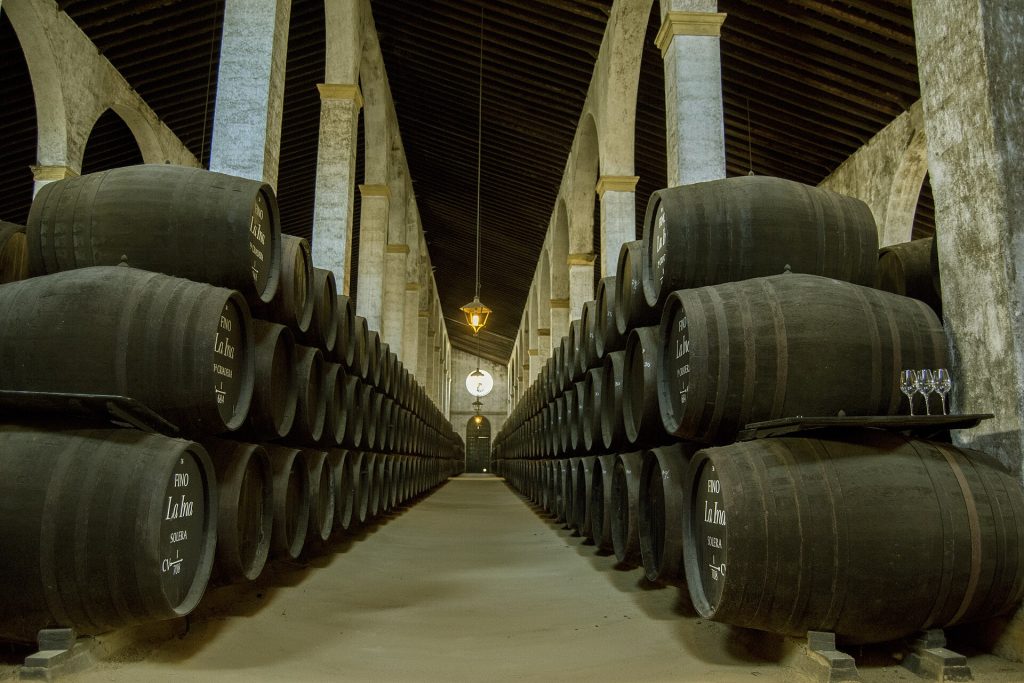
Sherry comes from the southwest corner of Andalucía, where the Sherry regulatory council names three key towns: Jerez de la Frontera, El Puerto de Santa María and Sanlúcar de Barrameda, the home of manzanilla. The vineyards sit on white albariza soil and are cooled by Atlantic breezes.
Flor or no flor
The big decision in sherry happens after the base wine is made. The council’s production guide explains that wines destined for fino and manzanilla are fortified to 15 percent, which lets a film of yeast called flor survive on the surface and protect the wine from oxygen. Wines chosen for oloroso are fortified to at least 17 percent, which stops the flor, so they age oxidatively and grow darker and richer.
Both kinds then move through the solera and criaderas system, stacked tiers of casks in which younger wine refreshes older wine over time. Sherry must age for at least two years.
The styles
- Dry wines (vinos generosos): manzanilla, fino, amontillado, oloroso and palo cortado. The council’s classification sets them at a maximum of 5 grams of residual sugar per litre, made from Palomino grapes.
- Naturally sweet wines: Pedro Ximénez and Moscatel, made from sun-dried grapes. PX contains more than 212 grams of sugar per litre.
- Blended sweet wines: pale cream, medium and cream, made by blending dry sherry with naturally sweet wine.
Port keeps its sugar by stopping fermentation. Most sherry lets fermentation finish and stays dry. That one difference explains half the confusion.
Madeira: the wine that is aged with heat
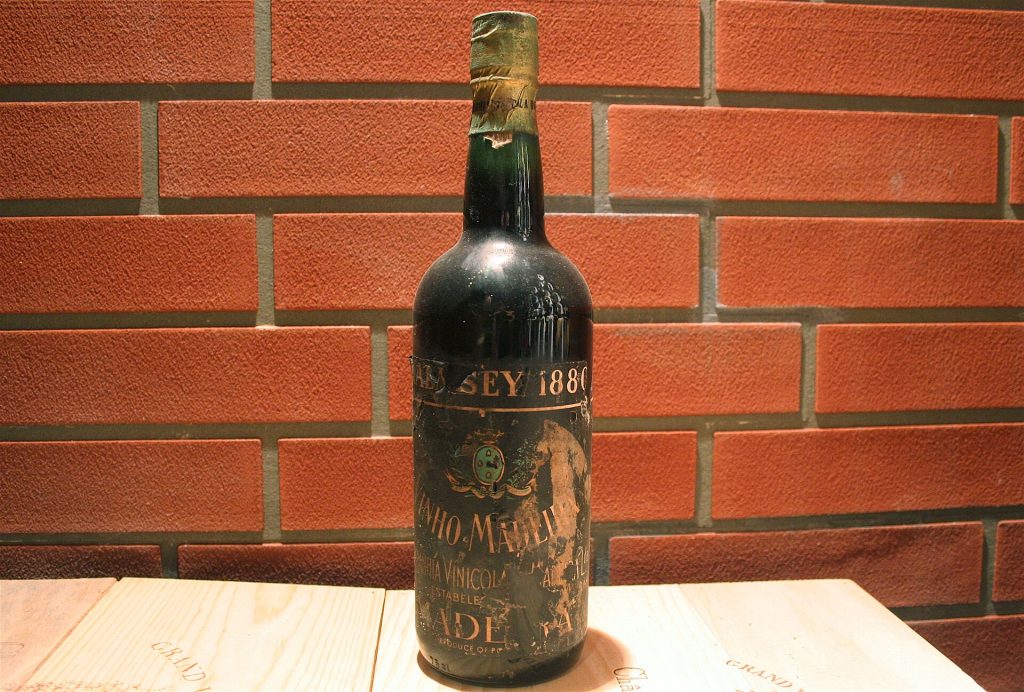
Madeira is, in the words of the island’s wine institute IVBAM, a fortified wine made exclusively from grapes grown in the Demarcated Region of Madeira, with fermentation interrupted by neutral alcohol and a finished strength of 17 to 22 percent.
Heat is the signature
Madeira is aged warm, and that oxidative ageing is what builds its intense, complex aromas. The official Madeira wine guide describes two methods. In estufagem, wine is heated to between 45 and 50°C for at least three months, then rested for at least 90 days before further ageing. In canteiro, wine ages in casks for a minimum of two years in warm lofts and can’t be bottled until at least three years after the harvest year.
Grapes that tell you the sweetness
- Sercial: dry. Try it as an aperitif or with appetisers.
- Verdelho: medium dry. Good with starters and soups.
- Boal: medium sweet. A classic partner for cheese.
- Malvasia (Malmsey): sweet. Pour it with desserts, chocolate or coffee.
The pairings follow the institute’s own suggestions for each sweetness style. Terrantez and Tinta Negra complete the list of Madeira grapes. Look for age indications of 5, 10, 15, 20, 30, 40 or 50 years, or for Colheita and Frasqueira, which come from a single harvest.
How to serve them and what to eat with them
Temperature makes a bigger difference with fortified wine than most people expect. Too warm and the alcohol dominates; too cold and aged wines taste muted.
Serving temperatures
- Fino and manzanilla: chilled, about 6 to 8°C.
- Oloroso and Pedro Ximénez: 12 to 14°C.
- White port: 6 to 10°C.
- Tawny port: 10 to 14°C.
- Ruby, LBV and vintage port: 12 to 16°C.
How long an opened bottle keeps
- Fino and manzanilla: up to a week, tightly corked in the fridge.
- Other sherries: up to two months, corked in the fridge.
- Vintage port: 1 to 2 days. LBV: 4 to 5 days. Ruby: 8 to 10 days.
- Tawny port: 3 to 4 weeks, and 1 to 4 months for aged tawnies.
What to eat with them
- Fino and manzanilla: olives, almonds, cured ham, shellfish and gazpacho.
- Oloroso: meat stews, wild mushrooms, game and aged cheese.
- Pedro Ximénez: dark chocolate, ice cream or a strong blue cheese.
- Dry white port: as an aperitif, or topped with tonic.
- Young ruby, LBV or vintage port: cakes and chocolate mousse.
- Aged tawny: egg-based and custard desserts.
Serving temperatures, keeping times and pairings come from the IVDP’s port guide and the Sherry council’s serving guidance. The council also recommends a white wine glass with a generous bowl rather than a tiny sherry copita, and storing bottles upright. For Madeira, match the style to the course: dry with appetisers, sweet with dessert.
If you’re planning a dessert course around one of these bottles, our easy chocolate desserts are a natural match, and there’s more to explore in our wine and drinks guides.
FAQ
Is port sweeter than sherry?
Generally, yes. Most port is sweet because fortification stops fermentation early. Most sherry is dry, though Pedro Ximénez and cream sherries are very sweet.
Can you cook with port, sherry and Madeira?
Yes. Dry sherry and Madeira are classic in pan sauces and soups, and ruby port works in reductions for red meat. Keep in mind that cooking doesn’t remove all the alcohol.
Does sherry go off after opening?
Fino and manzanilla fade quickly and should be finished within about a week in the fridge. Oloroso and sweet styles last much longer.
What’s the difference between ruby and tawny port?
Ruby is kept young and fruity, largely developing in bottle. Tawny is aged in cask, which turns it amber and gives it nutty, dried-fruit flavours.
Start with a three-glass tasting
The easiest way to learn these wines is side by side. Pick up one bottle of each style you’re curious about, say a fino, a 10-year-old tawny and a Verdelho or Boal Madeira, and pour small glasses at the right temperatures with a plate of almonds, cheese and a little dark chocolate. Taste in order from driest to sweetest. For more ideas for your next evening in, see our wine pairing basics.