
-
by Restaurants
- August 25, 2026
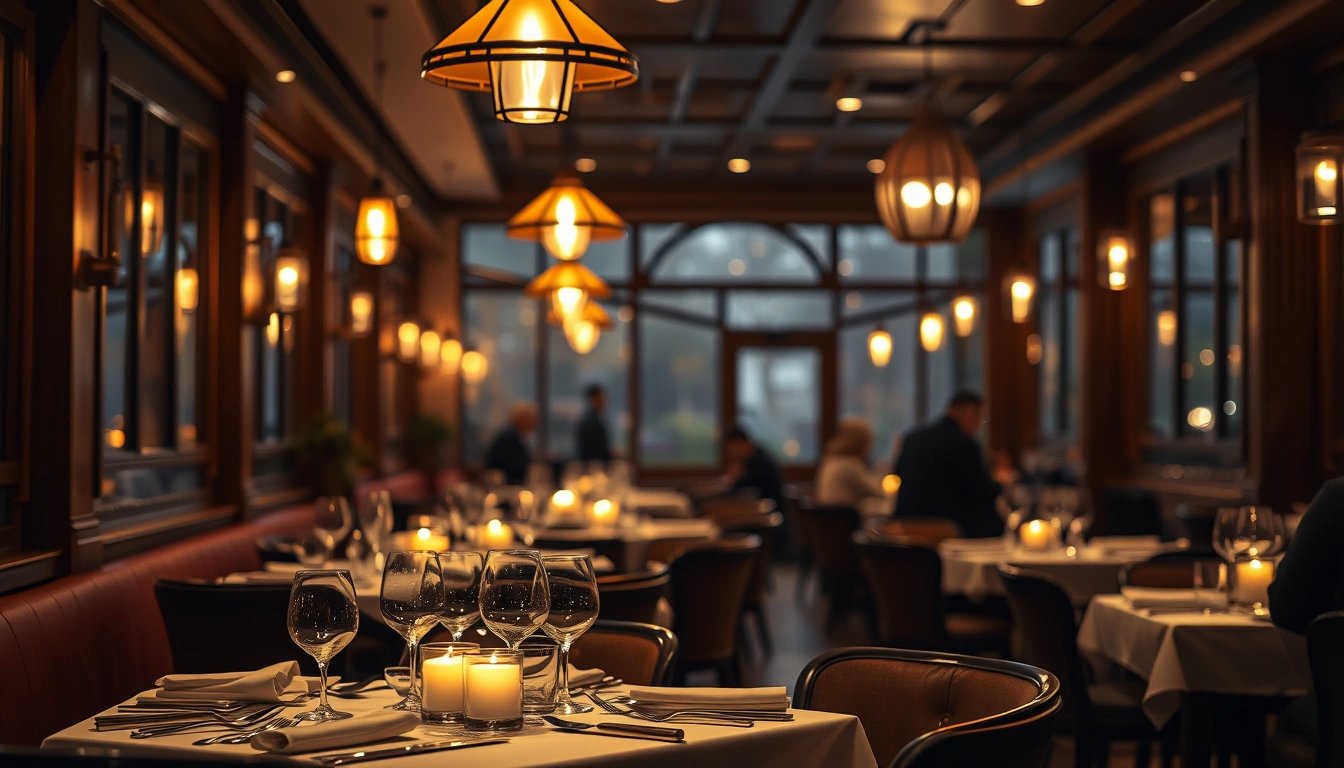
Ask any line cook to name the busiest hour and the answer comes back fast: the 7 p.m. dinner rush, when every table turns at once and the pass is buried in tickets. Now picture the opposite scene. It is 11:40 p.m., the dishwasher is the last machine running, and one server scrolls a phone while the floor sits empty. Those two moments look nothing alike, yet they share a clock, and both are shaped by one thing: when people decide to sit down and spend.
Restaurant guides spend a lot of energy on that clock. Listings note whether a diner serves breakfast until 10:59 a.m. and which locations quietly close the kitchen before the posted time. Peak covers and dead stretches are the whole story of a dining room, and readers plan around them.
Online play runs on a strangely similar rhythm, just shifted several hours later. The traffic that empties a restaurant floor after last call is often the same traffic that logs in from a couch. For anyone curious about the regulated side of that late shift in Canada, Bonus.com maintains a reviews hub at online casino canada that catalogues licensed sites, their game menus, and how withdrawals work. It is a directory in the same spirit as a restaurant guide, only the “hours” it tracks are session times rather than opening times.
From Dinner Rush to Data
The dinner rush is old. It follows daylight and the plain fact that people get hungry at the same time, and restaurants learned to staff for it decades ago.
Regulated online casino play in Canada is far younger. Ontario opened its licensed iGaming market in April 2022 through iGaming Ontario and the AGCO, moving activity that had lived in a grey area into a supervised one. Other provinces watched that model closely, and the arrival of a regulated Alberta market, the premise stated in this article’s headline, has been reported as the next major step. Treat any exact launch date you see as a claim still settling into place rather than a fixed fact.
Where Both Sit Today
A modern restaurant guide is a snapshot of a crowded field: hundreds of listings competing for the same hungry search, right down to guides on whether a chain keeps a 24-hour drive-thru. The reader’s job is to filter.
The regulated casino side looks structurally similar. A licensed Canadian market holds many operators, each with its own game library and payout terms, and the player’s job is again to filter. The difference sits underneath. A restaurant sells you a plate at a fixed price and the exchange ends there. A casino game runs on a random number generator with a built in house edge, so the math favours the operator over time no matter how the night feels. A hot streak is real, but it does not change the underlying odds.
The Mechanics Behind the Rush
A kitchen rush has visible mechanics: prep lists, a ticket rail, and a hard limit on how many covers the room can turn.
A casino session has mechanics too. Each spin or hand is independent, and the return to player figure describes long run averages across millions of rounds, not one late session. Bonuses carry wagering requirements, withdrawals move through banking rails with their own timing, and none of it removes the house edge. Reading those pieces is the equivalent of checking the fine print on a prix fixe before sitting down.
What Players and Diners Actually Do
Behaviour is where the mirror gets sharp. Diners cluster at predictable peaks and thin out fast. Late online sessions cluster in the hours after those peaks, when the floor is closed and the phone is the only thing still open. The healthy version of both is the same: decide before you start. Here is a late-session checklist, built the way a shift lead builds a prep list.
| Step | What to do |
|---|---|
| 1. Set the ticket | Decide your spend before you log in, the way a kitchen sets a par level. |
| 2. Time the shift | Pick a stop time, not just a stop amount, since fatigue climbs after midnight. |
| 3. Read the menu | Check the game’s return figure and the bonus wagering terms first. |
| 4. Track the covers | Watch total deposits, not just the balance on screen. |
| 5. Close the kitchen | When the timer or budget hits, log out. |
Rules of the House, Rules of the Kitchen
A restaurant runs on rules a diner rarely sees: health inspections, liquor licences, and posted hours enforced by a municipality, all so the room is safe to walk into. Regulated online casinos run on a parallel rulebook. Provincial regulators such as Alberta’s AGLC oversee gaming activity within their borders, and you can read that mandate through the Alberta Gaming, Liquor and Cannabis Commission. The point of licensing is the same as a health code: a supervised room is safer than an unsupervised one, though supervision never turns a game of chance into a sure thing.
Keep the late shift in proportion. Play is limited to adults, 19 and over in most of Canada and 18 in Alberta, Quebec, and Manitoba, and it should stay entertainment rather than income. The house keeps its mathematical edge on every session, so treat any spend as the cost of entertainment, not a plan to profit. If a late session ever stops feeling like a choice, ConnexOntario is free and confidential at 1-866-531-2600.
FAQ
Does it cost anything to browse a casino reviews hub?
No. Reading a directory of licensed sites is free, like scrolling a restaurant guide. Costs only begin if you register and deposit at an operator.
What fees can show up when depositing or withdrawing?
Some payment methods carry processing fees, and a few operators apply their own charges on certain withdrawal routes. Check the banking page before funding an account, the way you would read a service charge on a menu.
Are casino bonuses actually free money?
No. A bonus almost always carries wagering requirements, meaning you must bet the amount several times before withdrawing. Read those terms carefully.
Why do withdrawals sometimes take longer than deposits?
Deposits post quickly to get you playing, while withdrawals pass identity and payment checks required under licensing, so timing depends on the method.
Does spending more improve my odds on a game?
No. A larger bet changes the amount at risk, not the built in house edge. The return figure is fixed by the game’s design, whatever the stake or hour.