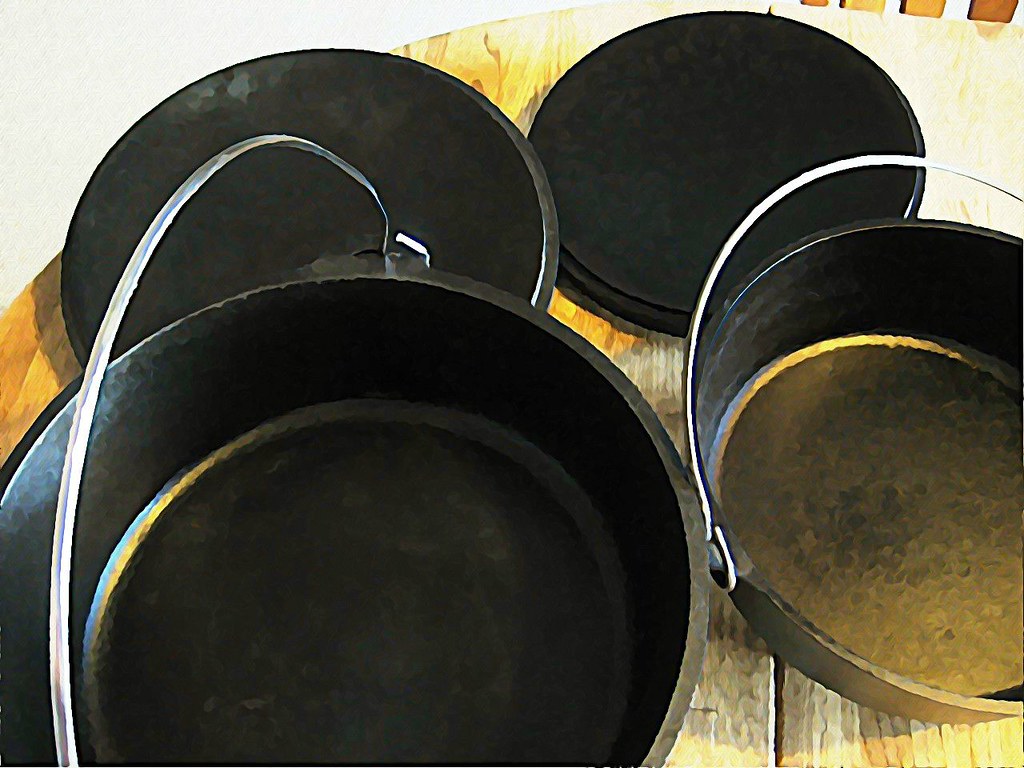
How to choose a Dutch oven comes down to four decisions: enameled or bare cast iron, the right size for the people you cook for, a weight you can actually lift when it is full, and a lid and knob that can handle the oven temperatures you use. Settle those and the pot will do nearly everything, from braises and soups to no-knead bread.
This buyer’s guide walks through each criterion, explains what you get at each budget level, and covers the care that keeps a Dutch oven going for decades. We are not ranking brands or sending you to a shop, just giving you the questions to ask of any pot you pick up.
Key takeaways
- Enameled cast iron is easier for everyday cooking and tomato or wine braises; bare cast iron is tougher and handles campfires and very high heat.
- Most households of three to five are best served by a pot of about 5 to 6 quarts.
- Lift it before you buy. A full cast-iron pot is heavy, and wide handles matter more than looks.
- Check the stated oven limit for both the pot and the lid knob; knobs often have a lower limit than the pot.
- Paying more buys better enamel, fit and finish, and warranty, not better braising.
Enameled or bare cast iron
Both are cast iron underneath and both hold heat beautifully. The difference is the surface. Enameled pots have a glassy coating inside and out. Bare pots rely on seasoning, a baked-on layer of oil that builds up with use.
| Feature | Enameled cast iron | Bare (seasoned) cast iron |
|---|---|---|
| Acidic foods (tomato, wine, vinegar) | Handles long simmers without reacting | Fine for short cooking; long simmers can taste metallic |
| Seasoning needed | No | Yes, and it needs upkeep |
| Cleaning | Hand wash with warm soapy water and a sponge | Minimal soap, no soaking, dry and oil at once |
| High heat and open fire | Start on low; do not preheat empty on the stove | Very tolerant; suits campfire and coals |
| Durability risk | Enamel can chip if knocked or shocked | Can rust, but can be restored |
| Interior colour | Often light, so you can see browning | Black, harder to judge fond |
| Typical cost | Higher | Lower |
Why acidity matters
When America’s Test Kitchen simmered tomato sauce in bare cast iron, tasters found no metallic flavour after 15 minutes but did notice it after 30 minutes, and lab testing found more iron in sauce from an unseasoned pan than from a seasoned one. Acidic cooking can also wear down seasoning. Since Dutch ovens are made for long, slow braises in wine and tomatoes, that tilts most home cooks towards enamel.
When bare iron makes sense
Choose bare cast iron if you cook outdoors, bake bread at very high heat often, want the lowest cost, or like the idea of a pot you can strip and re-season if it ever gets neglected. Pots with legs and a flanged lid are built for coals and are a separate purchase from a kitchen pot.
Size by household
Capacity is listed in quarts, and it is the spec people most often get wrong. Too small and a whole chicken will not fit; too big and a small braise dries out because the liquid spreads too thin.
- 1 to 2 people: about 2 to 4 quarts. Good for small stews, rice, and side dishes.
- 3 to 5 people: about 5 to 6 quarts. The most versatile size; fits a whole chicken, a pot roast or a standard loaf of no-knead bread.
- 6 or more, or batch cooking: about 7 quarts and up. Great for stock and freezer meals, but heavy and slow to heat.
Shape matters too. A round pot fits a burner evenly and suits bread. An oval pot fits a whole bird or a long roast but can heat unevenly on a small burner. A wider, shallower pot gives more room for browning in batches.
Weight, handles and fit
Cast iron is heavy before you add anything to it, and a Dutch oven full of stew is heavier still. You will be lifting it from the stove to the oven and back with oven mitts on, so treat weight as a safety feature, not a detail.
- Lift it empty in the shop if you can, then imagine several extra pounds of liquid.
- Check the loop handles with oven mitts on. Wide, deep handles give a secure grip; small ones are easy to fumble.
- Look at the lid fit. A snug lid keeps moisture in during long braises.
- Measure your oven and cupboard. A tall pot with a tall knob may not clear a rack set in the lower third.
The best Dutch oven is the one you can lift with confidence when it is full of stew.
Lids, knobs and heat limits
Most Dutch oven bodies tolerate far more heat than their lid knobs. Knobs come in metal and in heat-resistant plastic or composite, and the plastic ones usually carry a lower oven rating. That matters if you bake bread, which often calls for a very hot oven.
Always read the maker’s stated limits for both the pot and the knob. As one example, Lodge’s care guide says its enameled cookware can be used on the stovetop and in the oven up to 500°F. Other brands and knob materials differ, so check yours.
- If you bake bread often, choose a metal knob or confirm that the knob can be swapped for one.
- Self-basting bumps or rings under the lid help return condensation to the food; nice to have, not essential.
- A lid that works as a shallow skillet, as on some bare-iron combo cookers, adds flexibility.
What your budget buys
We are not quoting prices, because they swing with sales and seasons. Instead, think in three tiers and decide which trade-offs you care about.
Entry level
Bare cast-iron Dutch ovens and basic enameled pots. They cook very well. With enamel at this level, look closely for even coating, smooth rims and a snug lid, and expect a shorter warranty.
Mid-range
Enameled pots with more consistent enamel, lighter-coloured interiors, better-fitting lids and higher-rated knobs. For most home cooks this is the sweet spot between cost and durability.
Heirloom
Premium enameled pots with longer warranties, wide colour ranges and very consistent finishing. You pay for polish and long-term support, not faster cooking. Braises taste the same.
Before you commit, it is worth reading our guide to cast-iron skillets too, since one good skillet and one Dutch oven cover most stovetop cooking.
Care that makes it last
Enameled
Lodge’s guide advises against preheating an empty enameled pot on the stovetop; add oil or water and start on low heat. It also warns against adding cold ingredients to a hot, empty pot, such as ice cubes for bread steam, and recommends wooden, silicone or nylon utensils because metal can scratch the enamel. Hand wash with warm, soapy water.
Bare cast iron
The University of Maine Cooperative Extension recommends using only a little soap, drying the pan thoroughly straight after washing, then wiping a small amount of neutral oil over the inside. Never soak it or put it in the dishwasher, which can ruin the seasoning and cause rust.
You will find more upkeep guides for pans, knives and small appliances in our kitchen gear section.
Dutch oven FAQ
Is a 5.5-quart Dutch oven big enough?
For most households of three to five people, yes. It handles a whole chicken, a family stew and a standard loaf of bread.
Can I bake bread in an enameled Dutch oven?
Yes, as long as the pot and the knob are rated for your oven temperature. Check both before you preheat.
Can I use metal utensils?
On bare cast iron, yes. On enamel, wood, silicone or nylon is safer because metal can scratch the finish.
What if the enamel chips?
Contact the maker, since many enameled pots carry a warranty. Describe where the chip is, especially if it is on the cooking surface, and follow their advice before cooking in it again.
Your next step
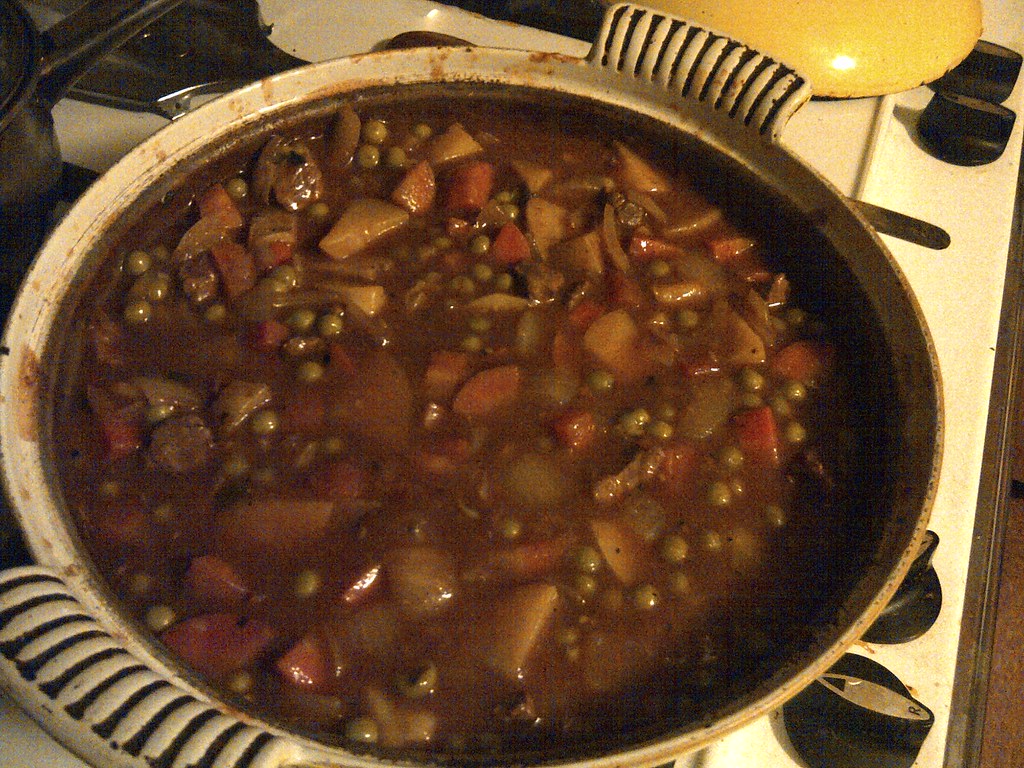
Write down three things: how many people you usually cook for, whether you braise with wine and tomatoes, and your oven’s highest regular temperature. That points you to a size, a surface and a knob. Then lift the pot before you pay for it. Once it is home, start with a slow-cooked beef stew to break it in.
Featured photo: 2012-176 Cast Iron Dutch Ovens by mrsdkrebs, BY 2.0.