Hard cider styles come down to three questions: how sweet is it, which apples went in, and where was it made. A dry modern cider from dessert apples tastes crisp and bright. A heritage cider from bittersweet apples is fuller and more tannic. Normandy cidre, Asturian sidra and English farmhouse cider each have their own character, and perry and ice cider sit just alongside.
Once you know those markers, a crowded cider shelf gets much easier to shop. This guide covers what each style tastes like, how to read the label, and what to cook with it this fall.
Key takeaways
- Sweetness on the label isn’t the whole story: acidity, aroma and alcohol all change how sweet a cider tastes.
- Modern ciders use culinary apples and taste brighter; heritage ciders use cider apples and have more tannin.
- Normandy cidre is labelled brut, demi-sec or doux; Asturian sidra natural is still and poured from a height.
- Québec ice cider is made with natural cold only and runs 9 to 13% alcohol with at least 140 g/L sugar.
- In the US, cider is legally a wine; below 7% alcohol its labels fall under FDA rules instead of TTB’s.
Dry, sweet and everything between
Sweetness is the first thing to decide. Most labels give you some indication, from dry through semi-dry and semi-sweet to sweet, but the scale isn’t standardised, and your palate matters more than the word.
The American Cider Association explains why a dry cider can still taste sweet. Fruity aromas suggest sweetness, high acidity masks it, and alcohol stimulates the sweet receptors. The association puts most ciders in the 5 to 8% alcohol range. So a cider with little sugar but lots of ripe-apple aroma can read as off-dry, while a sharp, acidic cider with more sugar can taste crisp.
How to shop by sweetness
- New to cider: start at semi-dry. It’s the most food-friendly middle ground.
- Wine drinkers who like Sauvignon Blanc or Champagne: look for dry or brut.
- Dessert lovers: go straight to ice cider, served in small pours.
Modern vs heritage cider
The American Cider Association’s style guide splits cider into categories that begin with this divide.
Modern cider
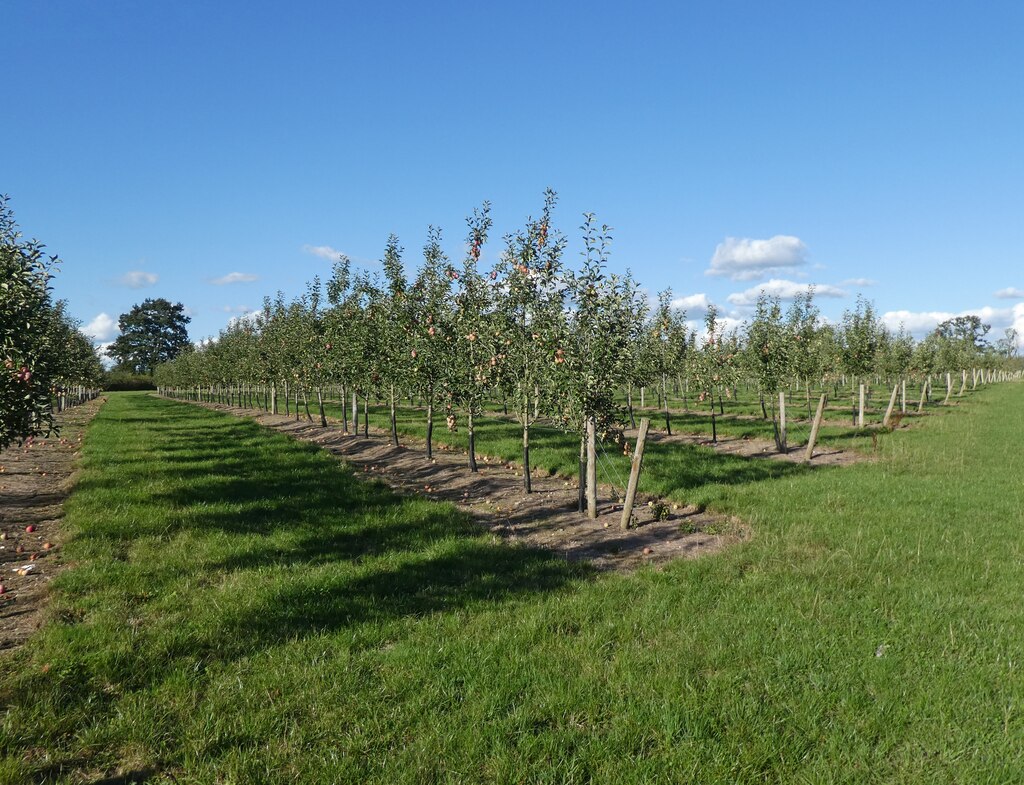
Made from culinary apples, the kind you’d eat or bake with. These ciders are generally lower in tannin and higher in acidity, so they taste fresh, fruity and clean. Most mainstream American ciders fall here.
Heritage cider
Made with cider-specific or multi-use apples, heritage ciders are generally higher in tannin and more complex. Those tannins come from the traditional cider apple families. As the drinks magazine Imbibe explains, bittersweets bring fruit sweetness plus mouth-coating astringency, while bittersharps bring higher malic acid and a green-fruited zest.
Tannin is the dividing line. It turns cider from something refreshing into something you can think about.
The classic regional styles
English cider
In England’s West Country, the Three Counties of Herefordshire, Worcestershire and Gloucestershire, and in Wales, bittersharp and bittersweet apples are particularly favoured, according to Imbibe. Expect ciders with body, grip and a savoury, sometimes rustic edge, ranging from dry to medium.
French cidre
Normandy has two protected names: Cidre Pays d’Auge PDO and Cidre de Normandie PGI. The Calvados tourism board notes that more than a hundred apple varieties grow in Normandy, and that ciders come as extra-brut, brut, demi-sec or doux. Brut is dry and crisp; doux is sweeter and softer. Norman cidre tends to be gently sparkling and deeply appley.
Spanish sidra
In Asturias, traditional sidra natural is still, tart and poured from a height. Turismo Asturias explains that the cider hits the glass and breaks, releasing carbon dioxide and bringing it to its best body and flavour. The pour, called a culín, should fill no more than a third of the glass and is drunk in one go before the foam fades. Filtered “new expression” cider and sparkling versions are not poured this way. Cider made to set rules in the region is protected by the Sidra de Asturias Designation of Origin, and Asturian cider culture is recognised by UNESCO as Intangible Cultural Heritage.
Perry and ice cider
Perry
Perry is to pears what cider is to apples. The style guide separates modern perry, from culinary pears, and heritage perry, from perry-specific pear varieties with more tannin and complexity. In Normandy it’s called poiré, which the Calvados tourism board describes as finer and more acidic than cider. In the US, TTB requires a wine made wholly from pears to be called pear wine or perry, not pear cider.
Ice cider
Ice cider is a Québec speciality with legal protection. Under the Québec Ice Cider PGI, it must be made from Québec apples whose sugars are concentrated solely by natural cold, with at least 140 grams per litre of residual sugar and 9 to 13% alcohol, and no added sugar or spirits. There are two methods: cryoconcentration, where juice from autumn apples is frozen outdoors, and cryoextraction, where apples freeze on the tree and are pressed frozen. Serve it chilled, in small glasses, with cheese or dessert.
Strength, labels and the wine question
Although it’s sold next to beer, cider is legally a wine in the United States. TTB’s cider FAQs define cider as wine fermented from apples, and alcohol content decides who oversees the label:
| Cider type | Federal rule | What it means for you |
|---|---|---|
| Under 7% | FDA food labeling | May show nutrition and ingredient information |
| 7% and above | TTB wine labeling rules | Label approval required; wine-style labels |
| 0.5% to under 8.5%, apple-based, no other fruit, low carbonation | Qualifies for the federal hard cider tax rate | The typical session cider |
| Over 8.5%, or flavoured with other fruit | Taxed at standard wine rates | Often pricier, stronger or fruit-forward |
Check the alcohol figure before you pour a full pint. A 5% cider and a 9% one look identical in the can. For more on reading drink labels, see our wine and drinks guides.
Pairing cider with fall food
Cider’s acidity and apple fruit make it an easy partner for autumn cooking. The Calvados tourism board suggests Norman cider with a PDO cheese or a homemade apple tart, which is a good starting point.
- Dry modern cider: roast chicken, pork chops, fish and chips, soft cheeses.
- Heritage or English cider: pork belly, sausages, cheddar and ploughman’s-style boards.
- Normandy brut: crepes, mussels, Camembert.
- Asturian sidra: chorizo, blue cheese, fried fish.
- Perry: lighter dishes, goat cheese, salads with pear or walnut.
- Ice cider: apple tart, blue cheese or foie gras-style pâtés.
Cooking something autumnal? Our pork recipes pair especially well with a dry cider.
Hard cider FAQ
Is hard cider gluten-free?
Cider is made from fermented apple juice rather than grain, but flavoured ciders can contain other ingredients. Check the label if gluten matters to you.
What’s the difference between cider and perry?
Cider is fermented from apples, perry from pears. Perry is often more delicate, and heritage perry uses special perry pears.
How cold should cider be?
Serve modern and sparkling ciders well chilled. Heritage and still ciders show more flavour slightly warmer, around cellar temperature.
Does cider go bad after opening?
Like wine, it loses sparkle and freshness. Recap it, refrigerate it, and finish it within a day or two for the best taste.
Build a tasting flight
The fastest way to learn cider styles is to taste them side by side. Pick up one dry modern cider, one heritage or English cider, one Normandy brut and a small bottle of ice cider, then pour small glasses from driest to sweetest. Add some cheese and apple slices, and you’ll know which style to buy by the case. Hosting friends? Our guide to building a cheese board will round it out.
Featured photo: Apple Cider Vinegar by Veganbaking.net, BY-SA 2.0.