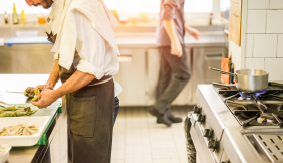
A busy restaurant kitchen is where the magic happens. Cooking tasty food requires the right tools for efficiency and safety. The right equipment can make a big difference in how well your kitchen runs and how happy your customers are.
What do you need to keep your kitchen running smoothly? Let’s take a look at the must-have tools every great kitchen should have.
Cooking Appliances
At the core of any kitchen are the cooking appliances that will allow chefs to bring their culinary visions to life. Every restaurant should consider the following essentials:
Ranges and Ovens
Cooking ranges serve as the central hub for grilling, boiling, and frying. Their flexibility allows the preparation of various dishes. Ovens, whether standard or convection, are key for baking and roasting, giving chefs more options for creative meals.
Fryers
If your menu includes fried foods, a good fryer is a must-have. Commercial fryers are built to cook large amounts of food quickly and evenly. They ensure consistent taste and texture.
Griddles
Griddles are great for cooking things like eggs, pancakes, burgers, and sandwiches. They heat evenly and give you a big surface to cook several items at once. This makes them a smart choice for busy kitchens that serve breakfast or lunch.
Essential Equipment for Food Preparation
Preparation is key in the restaurant business. Having the right tools can streamline processes and improve safety. Here are a few must-have items:
Food Processors
Food processors make prep work much faster by chopping, mixing, and pureeing ingredients in just seconds. They help save time and reduce manual effort in the kitchen. With these machines, chefs can spend more energy on presentation and final touches.
Mixers
Heavy-duty mixers are essential for kitchens that bake or make dough regularly. They’re built to handle large batches and tough mixing jobs with ease. Their steady performance means you get the same great results every time.
Cutting Boards
Using different cutting boards for meats, vegetables, and bread helps keep your prep area clean and safe. This reduces the risk of cross-contamination and keeps ingredients tasting fresh. Color-coded boards aid organization during busy shifts.
Storage Solutions
Storage is equally essential in keeping your kitchen organized. Invest in high-quality storage solutions like:
Commercial Coolers
Commercial coolers are built to keep food at safe temperatures all day long. They’re important for storing meat, dairy, produce, and other items that spoil quickly. With proper cooling, you help prevent waste and keep ingredients fresh for longer.
Shelving Units
Shelving units maximize vertical space. They make it easier to organize tools, dry goods, and small appliances. Keeping things off the floor and in order also improves safety and cleanliness.
Containers
Using airtight containers helps keep food fresh and free from contamination. When containers are labeled clearly, staff can find what they need quickly and avoid confusion. This ensures smooth operation, especially during peak hours.
Safety Equipment
Safety cannot be overlooked in a restaurant kitchen. Having the right safety equipment protects both staff and customers. Consider these essentials:
Fire Extinguishers
Every commercial kitchen needs fire extinguishers rated for grease fires. They should be installed in key spots and easy to reach during emergencies. Regular inspections help make sure they’ll work when needed most.
First Aid Kits
Accidents can happen in any kitchen, so having a first aid kit nearby is a must. It should include supplies for treating cuts, burns, and other minor injuries. Easy access to well-stocked kits aids quick and safe responses.
Non-slip Mats
Spills and wet floors are common in a busy kitchen, which makes slips a serious risk. Non-slip mats help create a safer footing for everyone moving around. They’re a simple but effective way to reduce injuries and keep the kitchen running smoothly.
Utensils and Tableware
It’s important to have the right utensils and tableware that can withstand daily use. Essential items include:
Knives
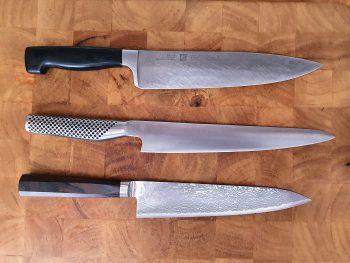
A set of sharp, high-quality chef knives is one of the most important tools in any kitchen. They make chopping, slicing, and dicing faster and more precise. With the right knives, food prep becomes safer and much more efficient.
Plates and Glassware
Durable plates and glassware are designed to withstand the wear and tear of daily use. They also play a big role in how dishes are presented to customers. Quality tableware enhances both function and dining experience.
Cookware
Having a range of pots and pans allows chefs to use various cooking methods, such as searing, boiling, or simmering. From non-stick pans to heavy-duty cast iron, each type has its purpose. Quality cookware helps deliver consistent results, no matter the dish.
Cleaning Supplies
A clean kitchen is crucial for success and customer confidence. Make sure to stock:
Dishwashers
A commercial dishwasher is a must for keeping up with the fast pace of a restaurant kitchen. It cleans and sanitizes dishes quickly, making sure everything is safe to use again. This saves time and helps meet health and safety standards.
Cleaning Chemicals
Using the right cleaning products is key to keeping the kitchen clean and safe. These chemicals should be strong enough to kill germs but safe for food areas. Regular cleaning prevents contamination and maintains a healthy workspace.
Trash Bins
Every kitchen needs sufficient trash and recycling bins for daily waste. Placing them in the right spots makes it easier for staff to keep the area clean. Good waste management helps the kitchen run smoothly and stay sanitary.
Optimizing Kitchen Workflow
All the essential equipment you choose should work together to optimize workflow and expedite service. Here are a couple of strategies to implement:
Zone Design
Set up separate zones for cooking, prepping, washing, and storing to keep work organized and hygienic. This separation lowers the risk of cross-contamination between raw and cooked foods. It also improves workflow efficiency and safety in the kitchen.
Routine Maintenance
Inspect and maintain kitchen equipment to spot problems early. Preventative care helps avoid breakdowns that disrupt operations. Consistent upkeep keeps equipment running smoothly and lasting longer.
Planning for Scalability
As your restaurant grows, your kitchen should too. Choose versatile equipment that adapts to changing menus and volumes. Keep a list of items needing upgrades or replacement to stay prepared for future expansion.
Equipping for Excellence
The right equipment turns your restaurant kitchen into an efficient, safe, and reliable operation. From cooking tools to storage solutions, smart investments can boost both workflow and customer satisfaction. Start with the basics, plan for growth, and choose gear that supports your kitchen’s long-term success.
Is this article helpful? Keep reading our blog for more.