Eating out on a budget comes down to a handful of habits: go at lunch or happy hour instead of prime-time dinner, share plates, drink water or bring your own bottle where it is allowed, use the loyalty programmes of places you already love, and budget for a proper tip rather than trimming it. Do those things and a meal out still feels like a treat, just a smaller bill.
It is worth being deliberate about. The USDA Economic Research Service reports that restaurant and other food-away-from-home prices rose 4.1 percent in 2024 and 3.8 percent in 2025, and it forecasts a further 3.5 percent rise in 2026, faster than the 2.4 percent forecast for groceries.
As home cooks, we would rather spend our restaurant money on the dishes we cannot easily make ourselves. This checklist is built around that idea. Tick off what applies and skip the rest.
Key takeaways
- Restaurant prices are forecast to rise 3.5 percent in 2026, a point faster than grocery prices.
- Lunch menus and happy hours are the cheapest way into restaurants you would normally save for special occasions.
- Order the dishes you cannot cook at home, and share sides and starters.
- Drinks are where bills swell; water, one good glass or BYOB keeps them in check.
- Budget the tip first. Emily Post suggests 15 to 20 percent pre-tax for sit-down service.
Before you leave the house
Most savings happen before you sit down. A few minutes of planning beats any amount of squinting at the menu once you are hungry.
- ☐ Set a number for the whole night, tip included, and decide it at home.
- ☐ Read the menu online so you arrive knowing what you want and what it costs.
- ☐ Check for a lunch menu, set menu or early-evening deal on the restaurant’s own site or social accounts.
- ☐ Look for a BYOB policy and any corkage fee if you plan to bring wine.
- ☐ Eat a small snack before you go so you are not ordering three starters out of pure hunger.
- ☐ Open the loyalty app of places you already visit and see what points or rewards are waiting.
If you are choosing somewhere new, our restaurant directory is a good place to compare options near you before you commit.
Pick the right time to eat
The same kitchen, the same chef and often the same dishes cost less at certain times. Timing is the single biggest lever you have.
Lunch instead of dinner
Many restaurants offer a lunch or set menu that is lighter on the wallet than à la carte dinner, sometimes with the same signature dishes in smaller portions. If there is a place you have been saving for a birthday, try it at lunch first.
Happy hour and early evening
Happy hour often covers food as well as drinks, with smaller plates at lower prices. Arrive early, order a couple of plates to share and treat it as dinner. Check the exact times and what is included, since deals usually apply only at the bar or on a separate menu.
Quieter days
Some restaurants run weeknight specials to fill tables on slower nights. A Tuesday dinner can be a better deal than a Saturday, and the kitchen is usually calmer too.
| Move | Typical saving | What you give up |
|---|---|---|
| Lunch or set menu instead of dinner | Often significant | A shorter menu, a daytime slot |
| Happy hour plates | Lower prices on selected dishes | Limited hours, bar seating |
| Sharing starters and sides | One or two fewer dishes | Less of each dish |
| Tap water instead of drinks | The whole drinks line | A glass of wine with dinner |
| BYOB with corkage | Retail rather than list price | A fee per bottle, planning ahead |
| Loyalty rewards | Points, freebies or discounts | Signing up, sharing an email |
Order smarter at the table
Once you are seated, a little strategy keeps the bill honest without making the meal feel like an exercise in restraint.
- ☐ Order what you cannot make at home. Skip the pasta you could cook in fifteen minutes and go for the braise, the fresh fish or the wood-fired dish.
- ☐ Share starters and sides. A table of four rarely needs four starters.
- ☐ Consider two starters instead of a main. Small plates can be just as filling.
- ☐ Ask about portion sizes before ordering extras; your server knows how big the plates are.
- ☐ Take leftovers home. Half a main is tomorrow’s lunch.
- ☐ Split a dessert, or have it at home.
Spend your restaurant money on the dish you cannot make at home. The rest of the menu is optional.
Bringing half a dish home is only a win if it is safe to eat later, so read our guide to storing leftovers before you ask for a box.
Keep the drinks bill in check
Drinks are where a modest dinner quietly turns into an expensive one. A few simple rules help.
- ☐ Ask for tap water rather than bottled, unless you actually prefer bottled.
- ☐ Pick one good drink and enjoy it slowly, rather than two average ones.
- ☐ Share a bottle if the table is drinking wine; it is usually better value than several glasses each.
- ☐ Save cocktails for happy hour, when they are often cheaper.
- ☐ Bring your own where it is allowed. Check the BYOB rules and corkage fee in advance, and bring something you would genuinely be happy to share.
Etiquette matters here. If you bring a bottle, it is a nice touch to offer the server or sommelier a taste, and to tip on the service they gave you opening and pouring it. BYOB rules vary by restaurant and by local law, so always check first.
For more ideas on what to pour, see our wine and drinks guides.
Paying the bill without cutting corners
This is the one place not to save. Servers in many restaurants rely on tips, and cutting the tip moves your saving onto someone else. Build it into your budget from the start.
The Emily Post Institute suggests 15 to 20 percent of the pre-tax bill for sit-down service, 10 percent pre-tax at a buffet, and $1 to $2 per drink or 15 to 20 percent of the tab for a bartender. For takeout it says there is no obligation, though 10 percent is appropriate for extra service or a large, complicated order.
- ☐ Tip on the full value if you used a voucher, discount or happy-hour price. Your server did the same work.
- ☐ Check the bill for a service charge before adding a tip, and ask how it is shared if unclear.
- ☐ Split the bill fairly. If one person had three cocktails and another had water, itemise rather than dividing evenly.
- ☐ Redeem rewards at the end and scan your loyalty card or app before you pay.
Not sure how service charges and tips work together? Our explainer on tipping at restaurants walks through it.
FAQ
What is the cheapest time to eat out?
Lunch and happy hour are usually the best value, with set menus and smaller plates at lower prices. Weeknights can also bring specials. Check each restaurant’s own site for current deals.
Is it rude to only order water?
No. Tap water is a perfectly normal order. Just tip on the service you received, as you would anyway.
Should I tip less when I use a discount?
We would not. Tip on the full value of the meal, since the server’s work is the same. Emily Post suggests 15 to 20 percent pre-tax for sit-down service.
Are restaurant prices still going up?
Yes. The USDA Economic Research Service forecasts a 3.5 percent rise in food-away-from-home prices for 2026, faster than the forecast for grocery prices.
Plan your next affordable night out
Choose one restaurant you have been wanting to try, and look up its lunch menu or happy hour tonight. Set your number, tip included, and go with a plan: one dish you could never make at home, a couple of shared plates and water on the table. You will get the treat without the regret, and more nights out over the year.
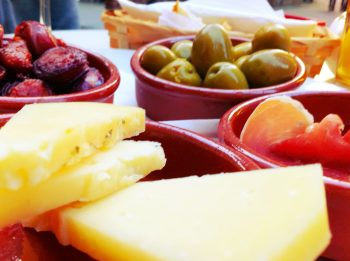
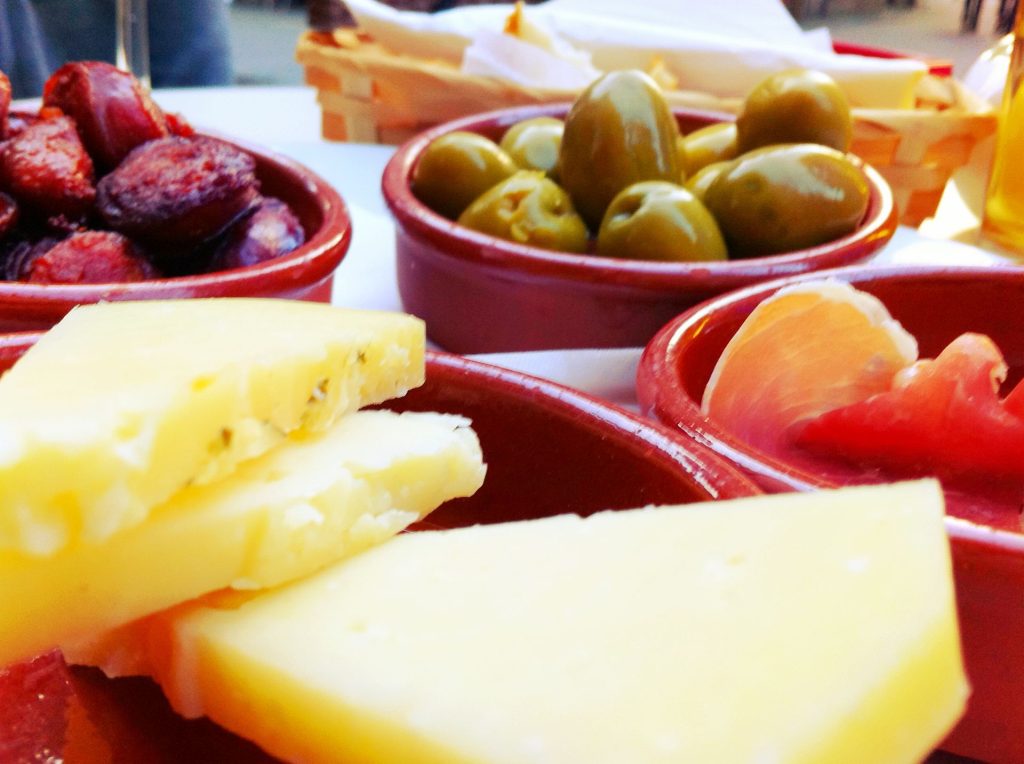
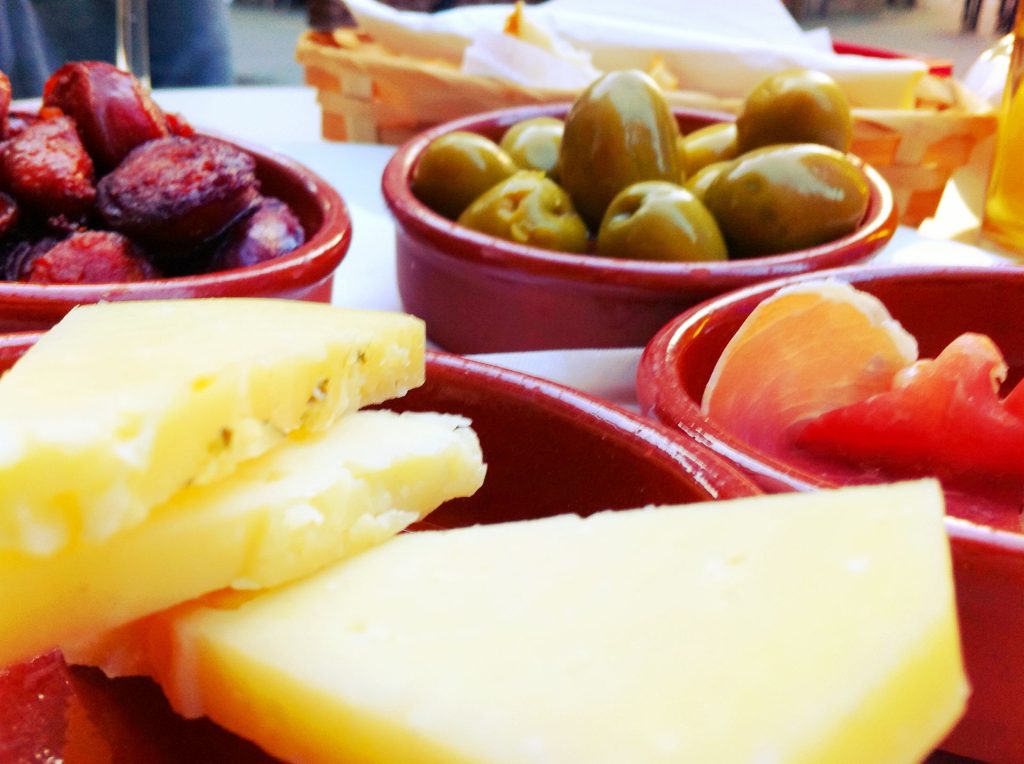
Featured photo: Tapas plate (6938398411) by Ken Hawkins from SC, USA, BY 2.0.