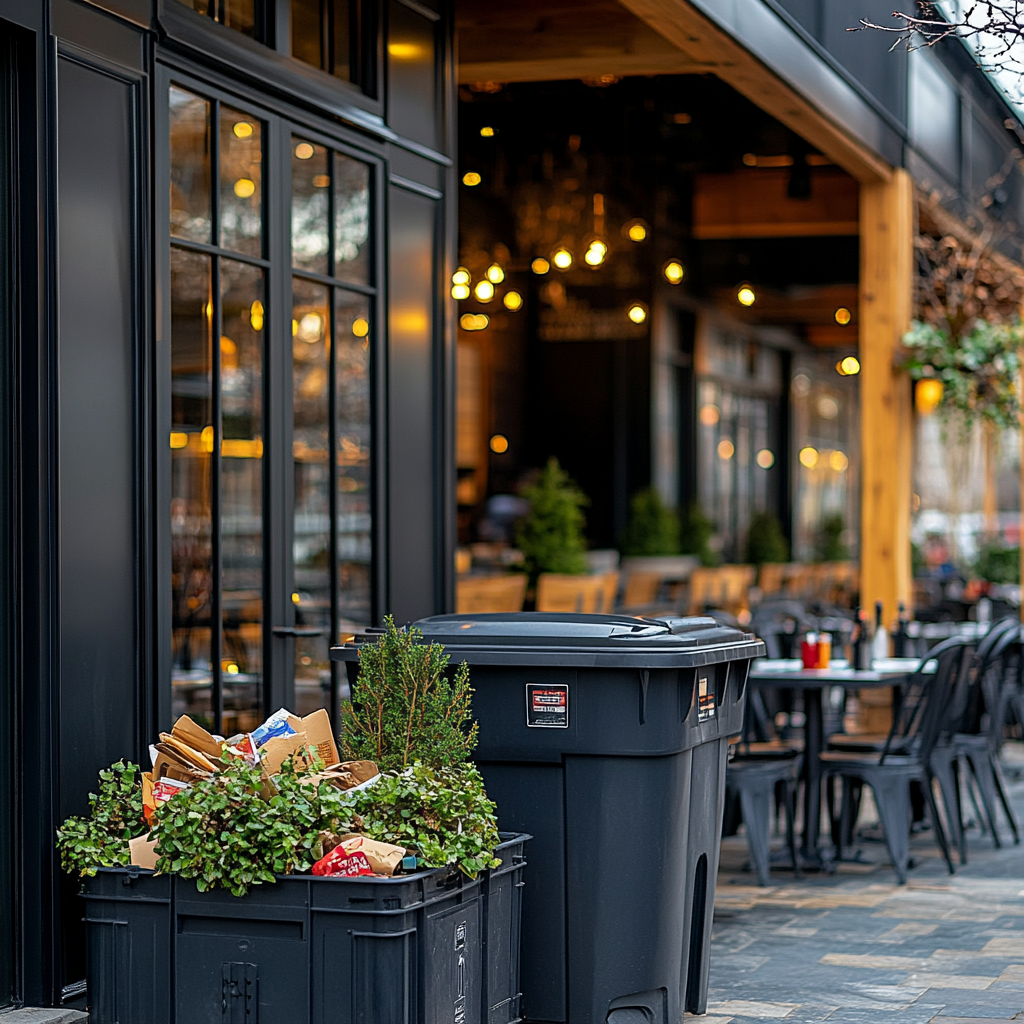
Restaurant renovations and deep cleanings can generate surprising amounts of waste, making a temporary waste bin rental service an essential part of any major restaurant project. Whether you’re updating your dining area or completely overhauling your kitchen, choosing the right commercial bin rental company ensures your space stays clean and organized throughout the process, allowing you to focus on what matters most – getting back to serving your customers delicious food as quickly as possible.
From Chaos to Clean: Why Restaurants Need Strategic Waste Management
Anyone who’s ever worked in a restaurant knows that space is precious. During renovations or seasonal deep cleans, that space becomes even more valuable. Having construction materials, old equipment, and everyday waste competing for the same limited area creates a logistical nightmare that can extend project timelines and create safety hazards.
A restaurant manager in Chicago recently shared her experience: “When we decided to update our dining area, I thought we could manage with our regular dumpster. By day three, we had servers climbing over discarded booth seating just to get to the kitchen. Bringing in a dedicated bin for the renovation saved our sanity and probably prevented an injury or two.”
Sizing Up Your Waste Challenges
Choosing the right bin size for your restaurant project is like selecting the right pan for a recipe – too small and you’ll make a mess, too large and you’re wasting resources. Most bin rental companies offer various options, typically ranging from 10 to 40 cubic yards.
For restaurant-specific projects, here’s a helpful guide:
- Small interior updates (replacing fixtures, minor decor changes): 10-yard bin
- Kitchen equipment upgrades: 20-yard bin
- Full dining room renovation: 20 to 30-yard bin
- Complete restaurant overhaul: 40-yard bin
Remember that certain materials require separate bins. Food waste, for instance, should never mix with construction debris, and some areas have specific regulations about disposing of commercial kitchen equipment.
Timing Is Everything: Scheduling Bin Deliveries and Pickups
In the restaurant world, timing is critical – whether it’s firing an entrée or scheduling waste removal. The best bin rental strategies align perfectly with your renovation or cleaning schedule.
Consider this approach:
- Schedule bin delivery for the day before demo or cleaning begins
- Arrange for swap-outs if your project will generate more waste than a single bin can hold
- Plan for final pickup promptly after project completion to free up valuable space
Many restaurants find that early morning deliveries and pickups (before 7 am) minimize disruption to neighboring businesses and don’t interfere with delivery schedules or customer access.
Cost Considerations Beyond the Basic Rental
When budgeting for waste management during your restaurant project, the base rental fee is just the appetizer, not the entire meal. Additional factors that affect total cost include:
- Permit fees for street placement (common in urban locations)
- Overage charges if you exceed weight limits
- Extended rental fees if your project timeline shifts
- Disposal fees for specialized materials (like old refrigeration units with refrigerants)
Smart restaurant owners negotiate all-inclusive pricing whenever possible, with clearly defined terms for potential overages. This transparency prevents budget surprises that can eat into your renovation funds.
Environmental Responsibility: The Side Benefit of Strategic Waste Management
Today’s diners care about sustainability, and proper waste management during restaurant projects offers an opportunity to demonstrate your commitment to environmental responsibility.
Many bin rental companies now offer sorting and recycling services that can divert significant amounts of project waste from landfills. Materials like metal kitchen equipment, wood from furniture, and certain building materials can often be recycled or repurposed.
One restaurant owner in Austin turned this into a marketing opportunity: “We documented our renovation waste recycling efforts on social media. The positive response was unexpected – customers actually commented that they chose us partly because they appreciated our commitment to minimizing environmental impact.”
Navigating Regulations and Requirements
Restaurant waste management comes with its own set of rules and regulations that vary by location. Urban restaurants face particularly complex requirements regarding bin placement, permitting, and allowed disposal items.
Before finalizing your bin rental, check with your local health department and city services about any specific requirements for food service establishments. Many cities have special regulations for food-soiled materials and commercial kitchen equipment disposal.
The bin rental company can often help navigate these requirements, but ultimately, compliance responsibility falls on the restaurant owner.
Making It Work in Limited Space
Urban restaurants face unique challenges when it comes to bin placement. With limited parking, narrow alleys, and shared loading zones, finding space for a temporary waste bin can seem impossible.
Creative solutions include:
- Scheduling overnight-only placement with early morning removal
- Coordinating with neighboring businesses to share a bin and split costs
- Using smaller bins with more frequent pickups
- Arranging for traffic management if street placement is necessary
Remember that improper bin placement can result in citations and fines, so proper permits and planning are essential.
The Final Course: Post-Project Cleanup
Once your renovation or deep cleaning project is complete, don’t overlook the importance of thorough site cleanup before bin removal. This final step ensures you’re not paying for air when the bin is hauled away and prevents debris from becoming a problem after the bin is gone.
A quick inspection around the bin area often reveals scattered materials that should be included in the final disposal. This attention to detail not only keeps your property looking its best but also prevents waste from ending up in storm drains or neighboring properties.
With thoughtful planning and the right bin rental strategy, your restaurant renovation or cleaning project can proceed without the chaos that often accompanies major updates. The result? A smoother project, controlled costs, and a quicker return to doing what you do best – creating exceptional dining experiences for your customers.