Beaujolais Nouveau is a fresh, fruity red made from the new harvest’s Gamay grapes and released on the third Thursday of November, which in 2026 falls on 19 November. It’s made to be opened young, served lightly cool, and shared with food. Buy a Beaujolais-Villages Nouveau if you want a bit more depth, and serve it at about 12 to 14°C.
For a lot of home cooks, release day is a good excuse for a relaxed dinner: a board of charcuterie, a roast chicken, friends around the table. The wine is cheerful and low on fuss, which is exactly the point.
This guide covers the release date, how Nouveau is made, how it compares with Beaujolais-Villages and the ten crus, what to look for on the label, and how to serve it.
Key takeaways
- Beaujolais Nouveau is released on the third Thursday of November: 19 November in 2026.
- Only the Beaujolais and Beaujolais Villages appellations may produce Nouveau, in red and rosé.
- It’s made from Gamay, fermented as whole bunches, with a short 4 to 6 day maceration for fresh, fruity wine.
- Beaujolais-Villages Nouveau is the step up; the ten crus are different, longer-macerated wines.
- Serve reds at 12 to 14°C (about 54 to 57°F) with charcuterie, poultry and relaxed dishes.
When it arrives in 2026
According to Inter Beaujolais’ official site, Beaujolais Nouveau is released every year on the third Thursday of November. In 2026 that’s Thursday, 19 November. From that day, shops and restaurants can pour the new vintage.
In the Beaujolais region itself, November brings a run of local festivals and barrel-tapping events around the release. At home, it’s simpler: pick up a couple of bottles that week and plan to drink them over the following weeks, while the wine is at its freshest.
Buying ahead
- Ask your wine shop in early November whether they’re taking pre-orders or holding stock for release day.
- Stores often get limited quantities of the better producers, so reserve if you have a favorite.
- Buy only what you’ll open in the coming weeks. This is not a wine to lay down.
What’s in the bottle
The grape
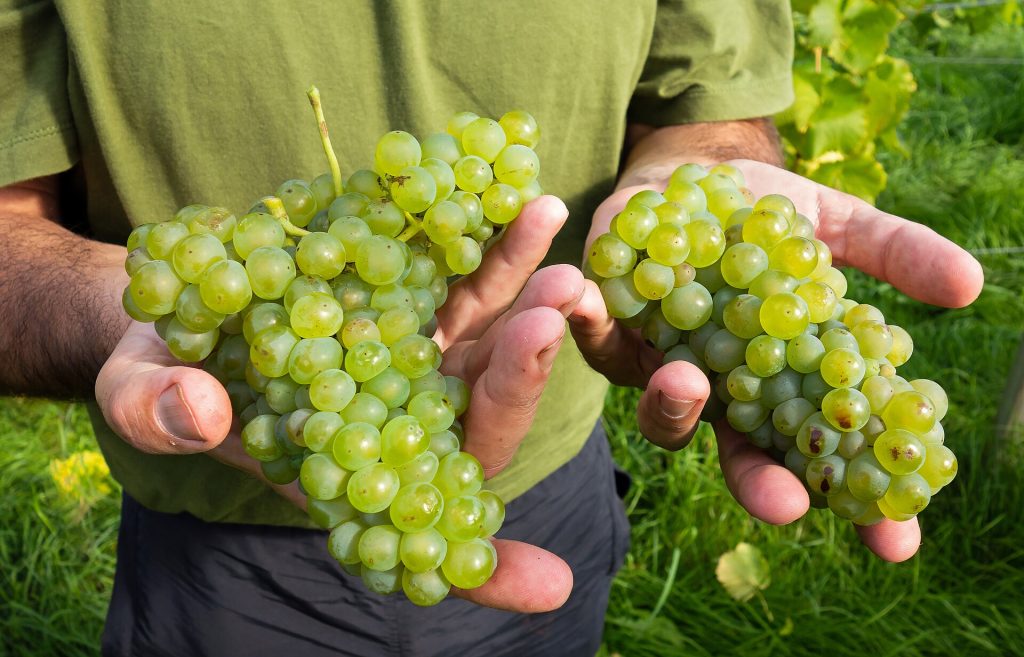
Red Beaujolais is made from Gamay, specifically gamay noir à jus blanc, which the Beaujolais appellation page describes as a cross between pinot noir and gouais. It’s naturally juicy and light in tannin, which suits an early-drinking style.
How it’s made
Beaujolais uses its own take on whole-bunch fermentation. As Inter Beaujolais explains on its vinification page, the grapes go into the vat as whole bunches, uncrushed and still on the stalk. At the top of the vat, carbon dioxide from fermentation progressively replaces the air, and the grapes ferment inside their skins. Lower down, bunches macerate in juice, and the grapes at the bottom are crushed by the weight above, releasing juice for a conventional yeast fermentation.
This is often called semi-carbonic maceration, and it gives the wine many of its fruity aromas. The key for Nouveau is the time on the skins. Inter Beaujolais gives around 4 to 6 days for Nouveau wines, against 6 to 10 days for Beaujolais and Beaujolais-Villages and around 10 to 15 days for the crus. Less time on the skins means less tannin, a lighter body and bright fruit.
Nouveau is a snapshot of the harvest, bottled weeks after picking. Drink it as a celebration, not as a cellar piece.
Nouveau vs Villages vs the crus
Beaujolais has 12 appellations, according to Inter Beaujolais’ official list: the regional Beaujolais and Beaujolais Villages, plus ten crus in the north of the region: Brouilly, Chénas, Chiroubles, Côte de Brouilly, Fleurie, Juliénas, Morgon, Moulin-à-Vent, Régnié and Saint-Amour.
Only two of them may make Nouveau. The Beaujolais appellation page states that Beaujolais and Beaujolais Villages are the only two AOCs that can produce Beaujolais Nouveau, in red and rosé. Beaujolais Villages, made across 38 villages, accounts for 40% of the wines sold as Beaujolais Nouveau reds and rosés.
| Wine | What to expect | When to drink | Best for |
|---|---|---|---|
| Beaujolais Nouveau | Light, very fruity, low tannin | In the weeks after release | Release-day parties, casual meals |
| Beaujolais-Villages Nouveau | A bit more depth and structure | In the weeks after release | Dinner with friends, poultry |
| Beaujolais-Villages (regular) | Fruity to richer, depending on area | Young or after a few years | Everyday red with more to it |
| Cru Beaujolais | More structure; longer maceration | Varies by cru and producer | When you want a serious Gamay |
If you enjoy the Nouveau, that last row is where the region really opens up. A Fleurie or a Morgon from the same producer is a natural next bottle.
How to choose a bottle
Nouveau is an affordable wine category, but quality still varies. These criteria will help you pick well.
Buying criteria
- The appellation on the label. “Beaujolais-Villages Nouveau” usually signals a more concentrated wine than plain “Beaujolais Nouveau.”
- The producer. Small growers and well-regarded estates tend to make more characterful Nouveau than anonymous bulk bottlings. Ask your shop who they rate.
- Red or rosé. Both are allowed. Rosé Nouveau is a lighter option for aperitifs.
- The vintage. Make sure it’s the current year. Last year’s Nouveau has lost the freshness that makes the style fun.
- Quantity. Buy for the weeks ahead, not the year ahead.
Budget tiers
- Entry tier: widely available Beaujolais Nouveau from large houses. Easy-drinking and good for a crowd.
- Mid tier: Beaujolais-Villages Nouveau and bottlings from named growers. The best value for a dinner party.
- Step-up tier: skip Nouveau and try a cru from the same producer, to taste what Gamay can do with more time.
Prices vary by country and shop, so compare within your local store rather than chasing a label from abroad.
Serving and pairing
Temperature
Inter Beaujolais recommends serving red Beaujolais and Beaujolais-Villages at 12 to 14°C, which is about 54 to 57°F, and rosés colder at 5 to 8°C. In practice, that means 20 to 30 minutes in the fridge before pouring for the red. Warm Nouveau tastes flabby; slightly cool Nouveau tastes lively.
Glassware
Any all-purpose wine glass works. You don’t need to decant it.
Food pairings
The official site suggests Beaujolais reds with Lyonnais specialties like andouillette sausage and poultry terrine, and notes the wines pair just as well with world cuisine, including dishes from Asia. At home, think relaxed and savory:
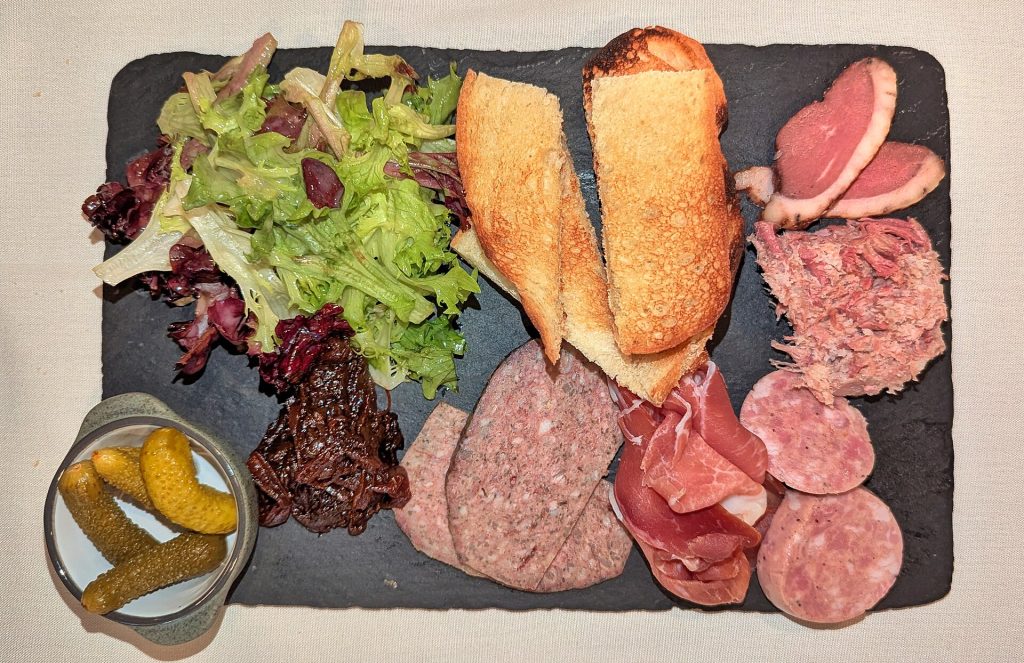
- A charcuterie board with pâté, saucisson and cornichons
- Roast chicken or a simple roast poultry dinner
- Soft cheeses and crusty bread
- Mushroom dishes, lentil salads and warm grain bowls
- Lightly spiced Asian dishes like dumplings or noodle stir-fries
If you’re heading out for release night instead, our restaurant directory can help you find a bistro, and there’s more on matching wine to dinner in our archives.
FAQ
When is Beaujolais Nouveau released in 2026?
On Thursday, 19 November 2026, the third Thursday of November, as set by the region’s release rule.
What grape is Beaujolais Nouveau made from?
Gamay, specifically gamay noir à jus blanc. Rosé Nouveau is made from the same grape.
Should Beaujolais Nouveau be chilled?
Lightly. Inter Beaujolais recommends 12 to 14°C for red Beaujolais, about 54 to 57°F, so a short spell in the fridge is ideal.
How long does Beaujolais Nouveau keep?
It’s made to be enjoyed young. Plan to drink it in the weeks after release, while the fruit is at its brightest.
Plan your release-day table
Mark 19 November on the calendar, reserve a couple of bottles of Beaujolais-Villages Nouveau with your local shop, and plan a simple roast chicken or charcuterie board around them. For more ideas on what to pour this season, browse our wine and drinks guides, and pick up tips for a great cheese board while you’re at it.
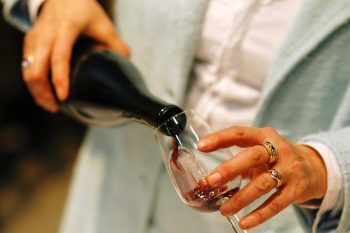
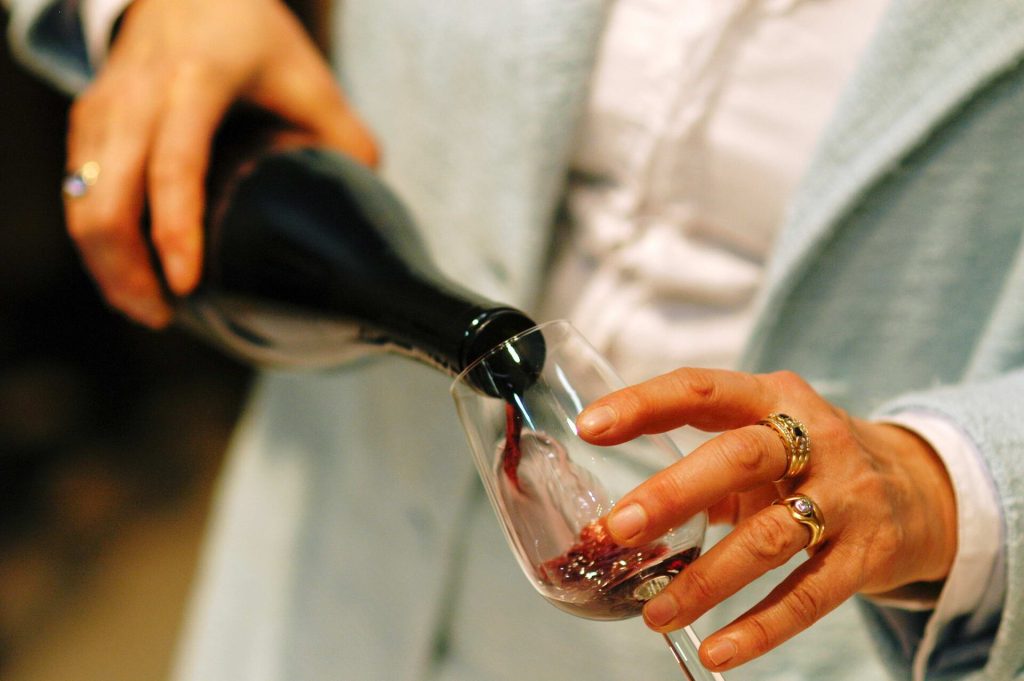
Featured photo: Wine being poured into a glass by Fabio Ingrosso, BY 2.0.