Dining alone at a restaurant is easier than it looks and more common than you might think. Choose a place with bar or counter seating, book a table for one at a quieter hour, bring something light to read if you like, order a few small plates so you can taste more, and tip as you would with company. That’s really all there is to it.
The nerves usually come from imagining that everyone is watching. They aren’t. Staff see solo diners every shift, and the people at the next table are busy with their own dinner.
To make it concrete, we’ll walk through one evening. Say it’s a Thursday, you’ve had a long week, and there’s a small wine bar near your office you’ve been meaning to try. Here’s how that night could go, step by step.
Key takeaways
- Solo reservations on OpenTable rose 23% year over year in its most recent count, reported by Axios in July 2026.
- Bar and counter seats are made for one: you get a view of the kitchen and easy contact with staff.
- Booking earlier in the evening or midweek makes it easier to get a good seat.
- Small plates and half portions let one person taste more of the menu.
- Tip as usual. Emily Post suggests 15–20% of the pre-tax bill for table service.
Step 1: Pick a place that suits one
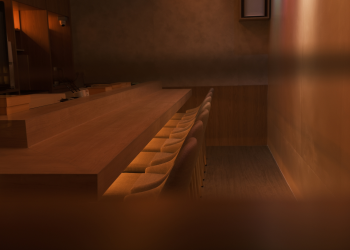
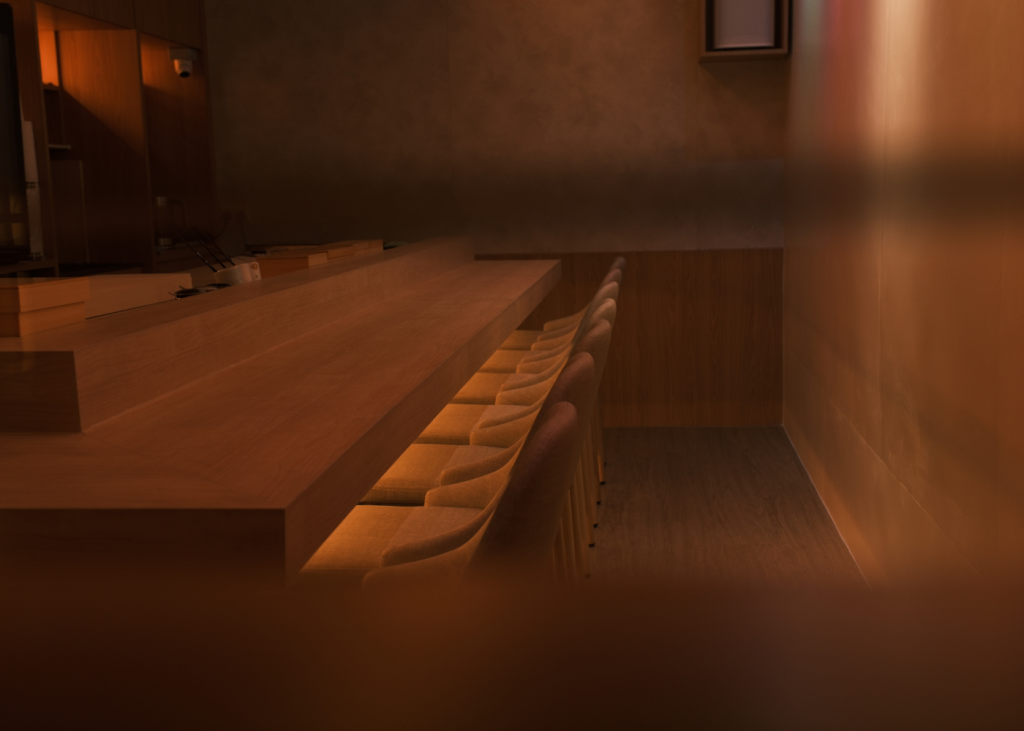
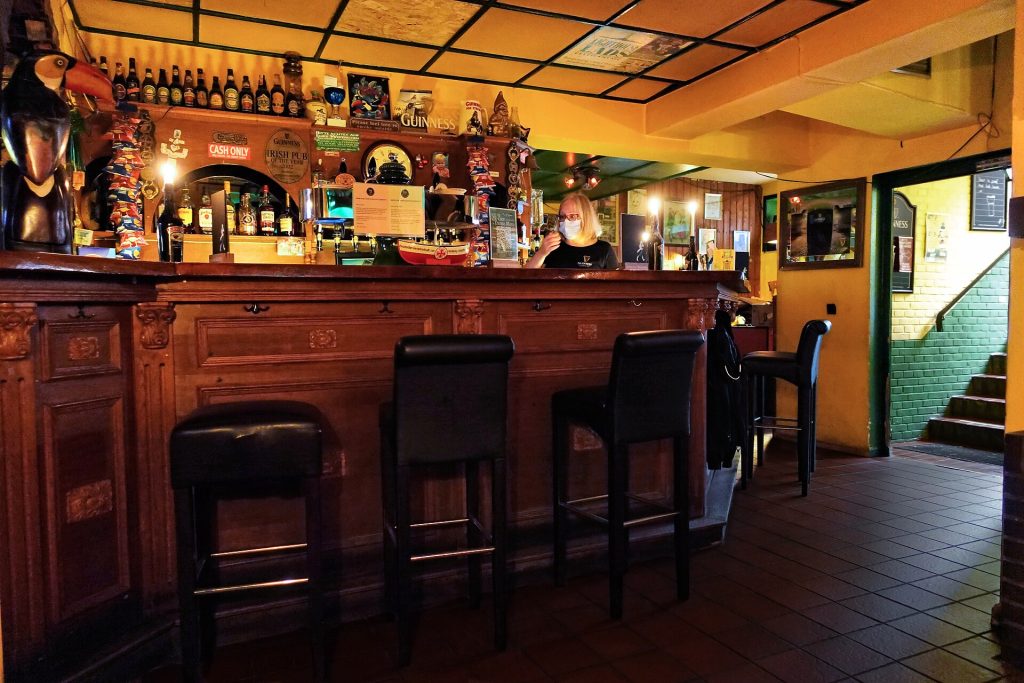
Not every restaurant is equally comfortable for one, and choosing well does most of the work. In our Thursday scenario, the wine bar has a long counter, a short menu of small plates, and a kitchen you can watch. That’s close to ideal.
You’re far from unusual in doing this. Axios reported in July 2026 that OpenTable’s solo reservations jumped 23% over the past year, with Thursday bookings for one up 25%. Solo diners also spent more than the average diner per person: $94 on average, against $60 across all party sizes.
What to look for
- Bar or counter seating. You face the room or the kitchen instead of an empty chair.
- Small plates or a tasting menu. Easier to order for one than a menu built around sharing platters.
- An open kitchen. Built-in entertainment, and a great way to learn a few cooking tricks.
- A moderate noise level. Lively enough to feel social, quiet enough to relax.
- Walk-in bar seats. Some places keep the bar unreserved, which suits a spur-of-the-moment plan.
Some places are harder. A restaurant designed around large sharing dishes, or one with a strict minimum for tasting menus, may not fit a party of one. Check the menu online before you go.
Step 2: Book a table for one
In our scenario, you book online for 6 p.m. and add a note: “Happy to sit at the counter.” That one line helps the host seat you well and signals that you know what you want.
- Choose your time. Early evening or midweek is quieter, so you’re more likely to get a good seat and a chattier server.
- Request a seat. Counter, bar, or a table by the window. Say which you’d prefer.
- Call if the online system won’t take a booking for one. A quick call usually solves it.
- Arrive on time. A table for one is easy to give away if you’re very late.
If you’re walking in, the same logic applies. Ask for a seat at the bar, and if it’s full, ask how long the wait is. A single seat often opens up faster than a table for four.
Step 3: What to bring
You don’t need props, but a few things make the evening easier. In our Thursday scenario, you bring a paperback and your phone, and leave the laptop at home.
- A book or magazine. Something you can put down easily between courses.
- A small notebook. Handy for jotting down a dish or a wine you want to remember.
- Your phone, on silent. Fine for a quick look, but you’ll enjoy the food more if it stays mostly in your pocket.
- Curiosity. Solo is the best time to ask questions about the menu.
Many regular solo diners bring nothing at all. Watching the room and the kitchen is its own pleasure, and it gets easier each time.
A table for one isn’t a table missing someone. It’s a table with the best seat in the house.
Step 4: Ordering when you’re the whole table
This is where eating alone quietly shines. You don’t have to negotiate, share or compromise. In our scenario, the menu lists about a dozen small plates. You ask the bartender which three they’d pick for one person, and they suggest a salad, a pasta and something from the grill.
Ordering strategies for one
- Go small and wide. Two or three small plates beat one big main if you want to taste the kitchen’s range.
- Ask about half portions. Some kitchens will do a half serving of pasta or a starter-size main.
- Order in waves. Start with two plates, then decide if you want more.
- Drink by the glass. A glass, or a half pour if it’s offered, is easier than a bottle.
- Say yes to the specials. Solo diners often get more time with the server to hear about them.
| Menu style | How to order solo | Watch out for |
|---|---|---|
| Small plates | Two or three dishes, ordered in stages | Plates that are sized for sharing |
| Tasting menu | Take the full menu or ask about a shorter version | Minimums of two guests |
| Classic starter, main, dessert | Starter plus main, or two starters | Big sharing mains for two |
| Counter or omakase style | Let the chef lead | Set start times |
Pay attention to what you’re eating, too. Without a conversation to follow, you’ll notice textures and seasonings you’d miss in a group, and that’s useful if you cook at home. For more ideas on tasting and ordering, see what to expect from a tasting menu.
Step 5: Talking with staff
Good staff treat a solo guest like any other guest. In our scenario, the bartender checks in between plates, suggests a glass of wine to go with the grill dish, and leaves you to your book when you pick it up. A few habits keep the evening pleasant on both sides:
- Signal your mood. A book open on the counter says you’d like some quiet; a question about the menu invites a chat.
- Be clear about pace. If you’d like to linger, order in stages. If you’re in a rush, say so up front.
- Don’t overstay a busy table. At peak times, a table for one is still a table. A drink at the bar afterwards is a nice alternative.
- Speak up if something’s wrong. Solo diners deserve the same attention. Politely ask for a different seat if yours is by the door or kitchen pass.
Step 6: The bill and the tip
Paying alone is simple: one bill, one card. In our scenario, you ask for the check once you’ve finished dessert, look it over, and tip on the pre-tax total.
The Emily Post Institute’s tipping guide suggests 15–20% of the pre-tax bill for sit-down service, and $1–2 per drink or 15–20% of the tab for bartenders. If you ate at the bar, the bartender was your server, so tip the same as you would at a table. Solo diners sometimes worry they’re taking up space for a smaller bill; tipping at the upper end of the range is a kind gesture on a busy night.
- Check the bill for any service charge before you tip.
- Tip on the food and drink total, before tax.
- Leave a note or a quick thank-you if the service made your night.
FAQ
Is it weird to eat alone at a restaurant?
Not at all. Solo reservations are growing: Axios reported a 23% year-over-year rise in OpenTable bookings for one in July 2026.
Where should I sit when dining alone?
The bar or a counter is usually the most comfortable. You face the room or kitchen, and staff are close by.
How much should I tip when eating alone?
The same as with company. Emily Post suggests 15–20% of the pre-tax bill for table service.
Can I book a tasting menu for one?
Often, yes, but some restaurants require two guests. Check the booking page or call ahead.
Book your first solo dinner
Pick one place this week with a counter or bar and a menu of small plates. Book an early table for one, add a note asking for a counter seat, and go with nothing more than a book and an appetite. Use our restaurant directory to find somewhere near you, browse more eating out guides, or read simple restaurant etiquette before you go.
Featured photo: Sushi Masa by Ki-setsu Omakase Counter Seats by Bobby.Creations, BY 4.0.