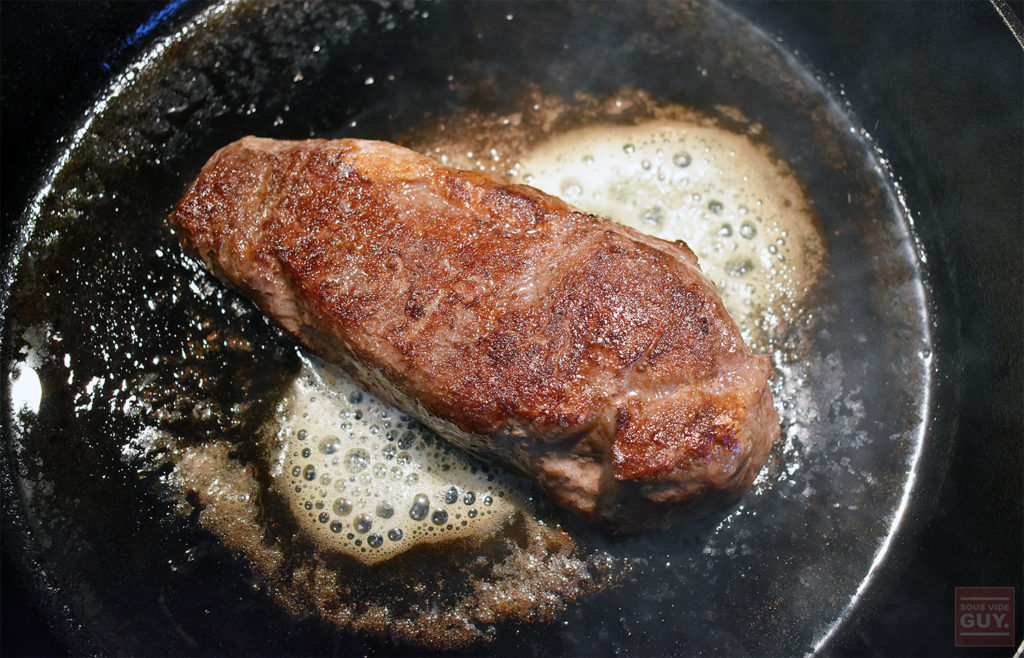
The Maillard reaction is the browning that happens when amino acids, the building blocks of protein, react with reducing sugars under heat. It’s why a seared steak tastes nothing like a boiled one, why toast beats bread, and why roasted coffee smells the way it does. It needs dry heat well above the boiling point of water, which is the single most useful fact for a home cook.
Once you know what drives it, a lot of kitchen advice suddenly makes sense: pat the meat dry, don’t crowd the pan, let the pan get hot first.
This explainer covers what the reaction is, the temperatures involved, how it differs from caramelization, practical ways to get more of it, and where to hold back.
Key takeaways
- The Maillard reaction is a reaction between amino acids and reducing sugars, usually driven by heat.
- It takes off at roughly 280 to 285°F, well above water’s 212°F boiling point, so wet food won’t brown.
- Caramelization is different: it’s sugar alone breaking down, with no protein involved.
- Dry surfaces, hot pans and room between pieces are the keys to good browning.
- A little alkalinity, like a pinch of baking soda, speeds browning; aim for golden rather than very dark on starchy foods.
What the Maillard reaction actually is
Kansas State University Research and Extension defines the Maillard reaction as a chemical reaction between an amino acid and a reducing sugar, usually requiring the addition of heat. It’s named for Louis-Camille Maillard, the French chemist who first described it.
Reducing sugars include glucose and fructose, which are present in small amounts in meat, vegetables, flour and milk. Amino acids come from proteins. When the two meet at high temperature, they react, and those products keep reacting with each other in a long cascade.
The result is two things you notice at once: brown color and a huge number of new flavor and aroma compounds. That’s why browned food tastes savory, roasty and complex rather than simply sweet.
Why it’s more than color
Plain heat just cooks food. The Maillard reaction creates flavor that wasn’t there before. A pale, steamed chicken breast and a golden, pan-roasted one can be cooked to exactly the same internal temperature and still taste like different foods.
The temperature question
There’s no single switch-on point, but sources agree on the useful range. King Arthur Baking says the reaction needs a temperature of at least 280°F, and K-State Extension puts the start of rapid browning above 285°F.
Compare that with water, which boils at 212°F at sea level. As long as a surface is wet, it can’t get much hotter than that, because the energy goes into turning water into steam. King Arthur notes this is why steamed buns stay pale and soft: in the presence of water, the reaction can’t take hold.
- Boiling, steaming and poaching hold food near 212°F, so no browning.
- Searing, roasting, baking and grilling dry the surface and push it well past 280°F.
- Slow cooking can still brown over long periods, but far more gently.
Maillard reaction vs caramelization
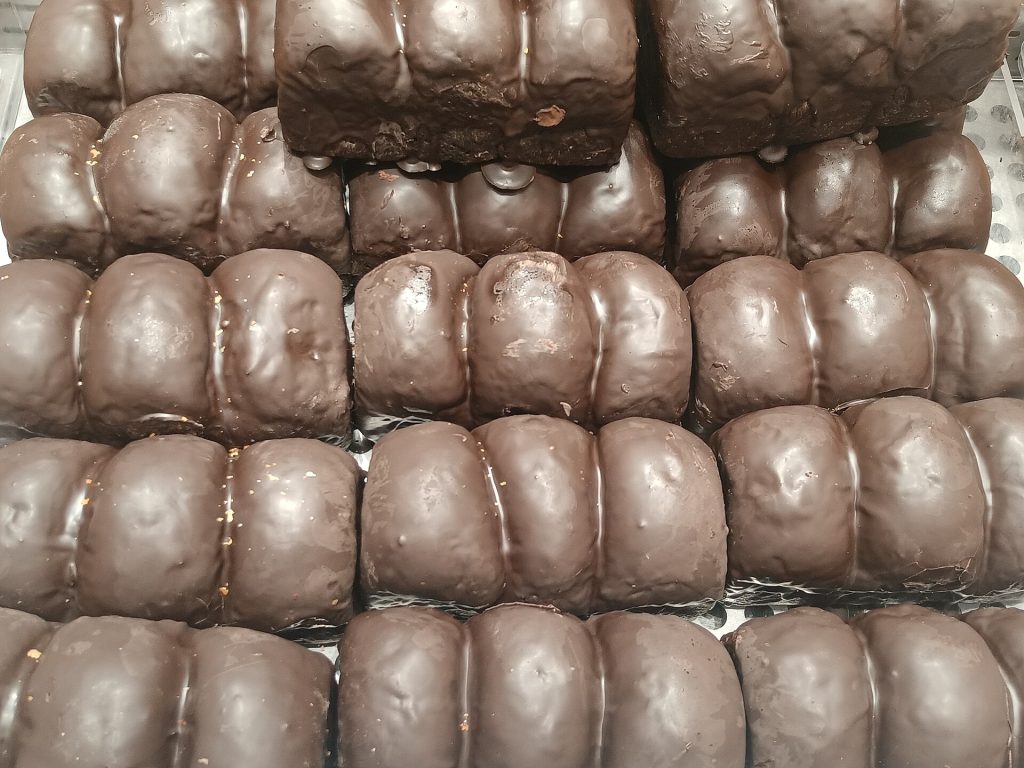
The two terms get used interchangeably, but they’re different reactions. K-State Extension is clear that the Maillard reaction should not be confused with caramelization, which involves sugars alone.
| Maillard reaction | Caramelization | |
|---|---|---|
| What reacts | Amino acids plus reducing sugars | Sugar on its own |
| Rough temperature | Above about 280 to 285°F | Sucrose and glucose around 320°F; fructose around 230°F |
| Flavor | Savory, roasty, meaty, toasty | Sweet, nutty, slightly bitter |
| Typical foods | Seared steak, bread crust, roasted coffee | Caramel sauce, brittle, crème brûlée top |
The caramelization temperatures in the table come from K-State Extension. In real cooking, both reactions often happen together. Slow-cooked onions, for example, contain both sugars and amino acids, so what we call caramelized onions owe a good deal of their flavor to Maillard browning too.
Why dry surfaces and space matter
Almost every browning tip comes back to getting rid of water fast. K-State Extension’s advice for roasting is simple: don’t overcrowd the vegetables, so they brown rather than steam. The same rule applies in a skillet.
Dry the surface
- Pat meat, fish and tofu dry with paper towels just before cooking.
- Salt steaks well ahead, then dry them again; or leave them uncovered on a rack in the fridge for a few hours so the surface dries.
- Spin washed vegetables completely dry before roasting.
Give it space and heat
- Heat the pan before the food goes in. A cold pan lets moisture pool.
- Cook in batches. Pieces jammed together trap steam between them.
- Use a large sheet pan for roasting, with room around each piece.
- Leave food alone. Moving it constantly keeps the surface from ever getting hot enough.
Brown food is dry food first. Every good sear starts with a paper towel and an empty inch of pan.
If you cook a lot of steak, our guide to cast iron cooking covers how to get a pan properly hot.
Speeding it up: the baking soda trick and friends
Raise the pH
The Maillard reaction runs faster in slightly alkaline conditions. King Arthur explains that dipping pretzel dough in a lye or baking soda bath alters its pH and gives the reaction an accelerated boost, which is where a pretzel’s deep mahogany crust comes from.
At home, a small pinch of baking soda does something similar. Toss it with onions as they cook and they brown noticeably faster, though they also soften more. Use very little: too much tastes soapy and metallic.
Add protein or sugar
King Arthur also notes that an egg wash adds extra protein to a crust, which is why brushed croissants and bagels come out glossy and well browned. A milk wash does a gentler version of the same. On the savory side, a little honey in a glaze or a splash of soy sauce on vegetables gives the reaction more to work with.
Know when to stop
Deep browning on starchy foods has a downside. The FDA explains that acrylamide forms from natural sugars and the amino acid asparagine during high-temperature cooking like frying, roasting and baking. Its advice is to toast bread to a light brown rather than dark brown, avoid very brown areas, and store potatoes in a cool, dark place outside the refrigerator.
Browning you can see every day
Once you start looking, Maillard browning is everywhere. K-State Extension lists toast, the color of beer, chocolate, coffee and maple syrup, and the flavor of roast meat among its examples.
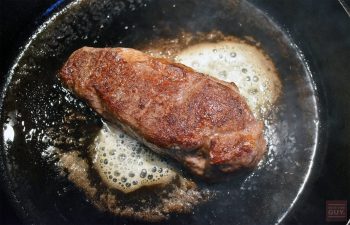
- Seared steak: a hot, dry pan turns the surface deep brown and savory.
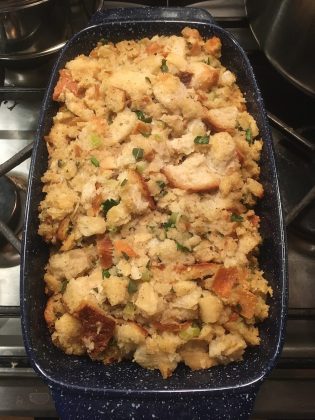
- Toast and bread crust: starch, a little sugar and wheat protein brown in the oven’s dry heat.
- Roasted coffee: green beans taste grassy; roasting builds the aroma you recognize.
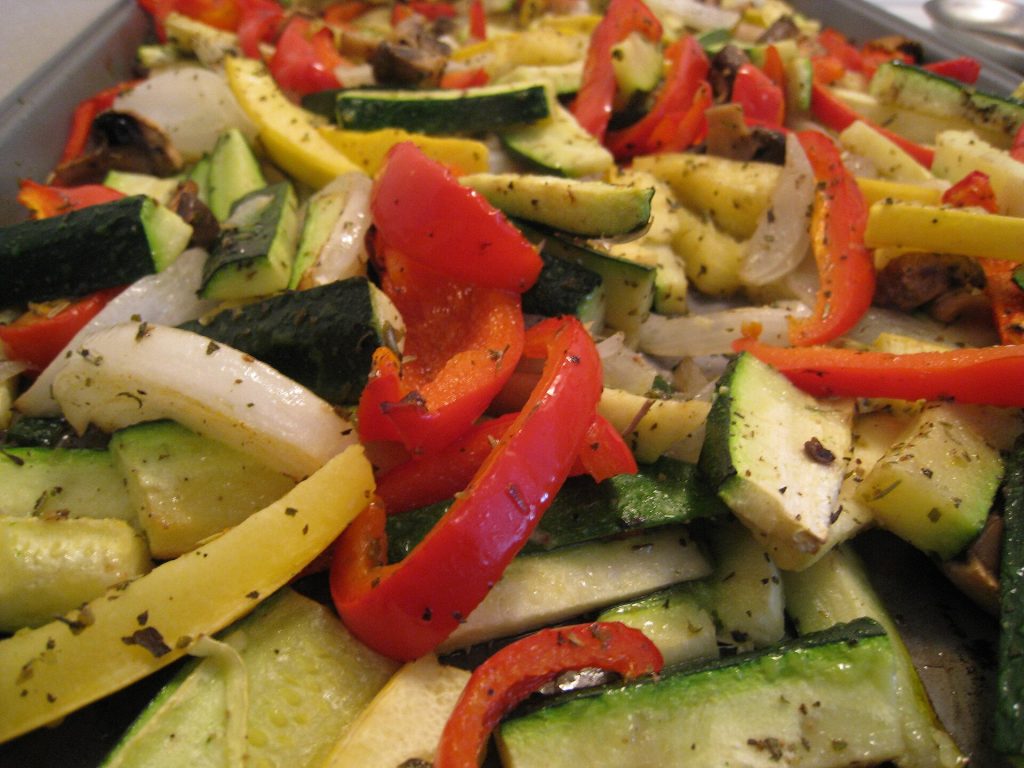
- Roast vegetables: the browned edges of carrots and Brussels sprouts taste sweeter and nuttier than the centers.
- Golden cookies: the browned edges carry the richest flavor.
FAQ
Can you get the Maillard reaction in a slow cooker?
Not much. The wet environment stays near boiling. Brown meat and onions in a skillet first if you want that flavor in the finished dish.
Does the Maillard reaction happen in the microwave?
Very little. Microwaves heat water inside the food, so surfaces stay moist and pale.
Is browned food unhealthy?
The FDA’s acrylamide advice is about moderation: toast to light brown and avoid very dark or burnt areas on starchy foods. It doesn’t mean giving up browning.
Why does my meat turn gray instead of brown?
Usually too much moisture or a crowded, underheated pan. Dry it well, heat the pan first and cook in batches.
Try a side-by-side sear tonight
Cook two small pieces of the same chicken or a few mushrooms tonight: one straight from the package into a lukewarm pan, one patted dry and laid in a hot pan with space around it. Taste them side by side and you’ll never skip the paper towel again. For more kitchen science, browse our cooking tips or read how to roast vegetables.
Featured photo: Crowd Cow seared steak in a cast iron pan by sousvideguy, BY 2.0.