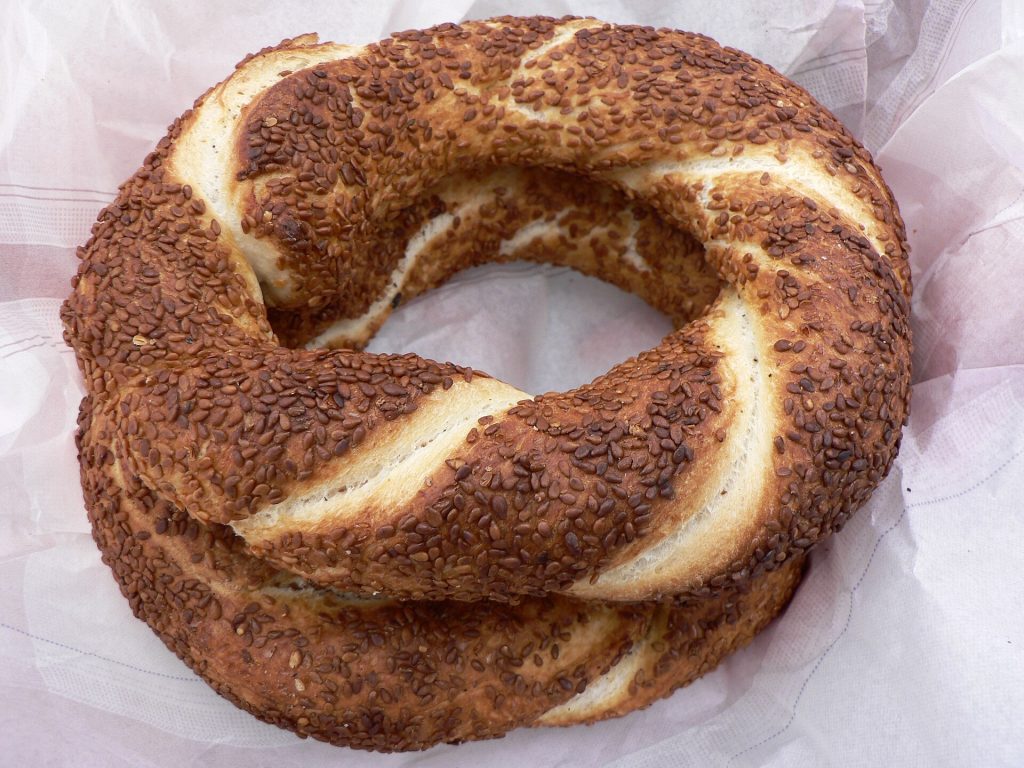
If you’re wondering what to eat in Istanbul, start with the street: a sesame-crusted simit for breakfast, a grilled fish sandwich by the water at Eminönü, and döner for a quick lunch. Save the evenings for a long table of meze, and finish with baklava from a shop that has been making it for generations.
Istanbul rewards eaters who move around. The European side has the bazaars and the old baklava houses, while a short ferry ride takes you to Kadıköy on the Asian side, where the market streets are full of fishmongers, pickle shops and some of the city’s best-loved kitchens.
Every place named below was checked against its own website or a current guide listing. Use this as a home cook’s tasting map: the dishes to try, where to try them, and what to look for so you can cook a few of them back home.
Key takeaways
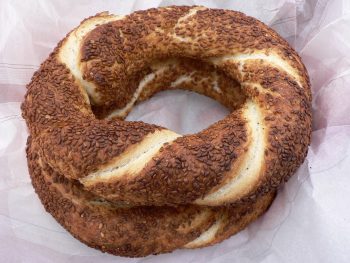
- Simit, a molasses-dipped, sesame-crusted ring of bread, is the city’s everyday snack.
- Balık ekmek, the grilled fish sandwich, is at its best by the water in Eminönü and Karaköy.
- İskender is a Bursa dish credited to İskender Efendi in the 1860s: döner over pide with tomato sauce and yoghurt.
- Karaköy Güllüoğlu has been making baklava in Karaköy since 1949.
- Cross to Kadıköy for the market and for Çiya’s Anatolian cooking.
Istanbul’s essential dishes at a glance
Here’s the short list, with where to try each dish. Details on every place follow in the sections below.
| Dish | What it is | Where to try it |
|---|---|---|
| Simit | Sesame-crusted, molasses-dipped bread ring | Street carts all over the city |
| Balık ekmek | Grilled fish sandwich with tomato, onion and salad | Eminönü and Karaköy waterfronts |
| Döner / İskender | Rotisserie meat; İskender adds pide, tomato sauce and yoghurt | Kebab counters citywide; Çiya Kebap in Kadıköy for regional kebabs |
| Meze | Small shared plates, hot and cold | Karaköy Lokantası in the evening |
| Lokanta classics | Home-style stews, dolma and roasts | Pandeli (Spice Bazaar), Yanyalı Fehmi (Kadıköy) |
| Baklava | Layered filo with pistachio or walnut in syrup | Karaköy Güllüoğlu |
Street food: simit, balık ekmek and more
The official Go Türkiye guide to street food calls simit “easily Türkiye’s most popular snack”: a circular, molasses-dipped, sesame-crusted bread. You’ll see it stacked on red carts and trays from early morning. Buy one warm, tear it in half, and eat it with a glass of tea or a wedge of white cheese.
Balık ekmek by the water
Balık ekmek means fish bread, and it’s exactly that: grilled fish in a roll with tomato, onion and salad. Go Türkiye points you to the coastal neighbourhoods of Karaköy and Eminönü, where it’s sold from moored boats and waterfront stalls. Grab a squeeze of lemon and a pinch of salt from the counter, then eat it looking out over the Golden Horn.
Three more to try
- Midye dolma: mussels stuffed with aromatic pilaf, sold by the piece with lemon.
- Kokoreç: skewered offal wrapped in sheep or goat intestines, grilled, chopped and spiced in bread. Adventurous, and much loved.
- Roasted chestnuts: in cooler months, carts with portable roasters appear all over the city.
Döner, İskender and the kebab counter
Döner, in Go Türkiye’s plain definition, is meat cooked on a vertical rotisserie, then shaved thin. In Istanbul you’ll find it tucked into bread or wraps at counters on almost every busy street. Look for a place with a steady queue and a spit that’s being carved constantly, which keeps the meat moist.
İskender, the sit-down version
İskender comes from Bursa, south of the Sea of Marmara. According to the Go Türkiye guide to Bursa, İskender Efendi developed it in his Bursa shop in 1867, serving lamb from the spit on pide bread with tomato sauce and yoghurt on the side. It’s rich, so share one and order a salad.
For a wider tour of Turkish kebabs, cross to Kadıköy. Çiya runs Çiya Kebap and Çiya Sofrası within a short walk of each other in the Kadıköy fish market streets. It began as a small kebab shop and now describes itself as a research kitchen for Anatolian cooking, with regional dishes you rarely see elsewhere in the city.
In Istanbul the best meals are shared, slow and a little noisy.
Meze and meyhane nights
A meyhane is a tavern built around meze: small plates that arrive in waves, from cold dishes like dips, pickled fish and olive-oil vegetables to hot ones like fried calamari or grilled liver. What you drink is up to you. The rule is to pace yourself and order more as you go.
Karaköy Lokantası, on Kemankeş Caddesi in Karaköy, is a good introduction. The MICHELIN Guide, which gives it a Bib Gourmand for 2026, describes a casual lokanta at lunch with meyhane-style service in the evening, built around meze and sharing plates with subtle Greek influences. Booking ahead for dinner is sensible.
Lunch at a lokanta
Lokantas are the city’s home-style restaurants, with trays of the day’s stews, vegetables and pilafs. Pandeli sits on the first floor inside the Spice Bazaar in Eminönü, with blue-tiled rooms and dolma on the menu; its MICHELIN listing shows it open for lunch into early evening and closed on Sundays. Over in Kadıköy, Yanyalı Fehmi Lokantası has been cooking classic Turkish dishes since 1919 and is now run by the third generation of the family.
Baklava in Karaköy
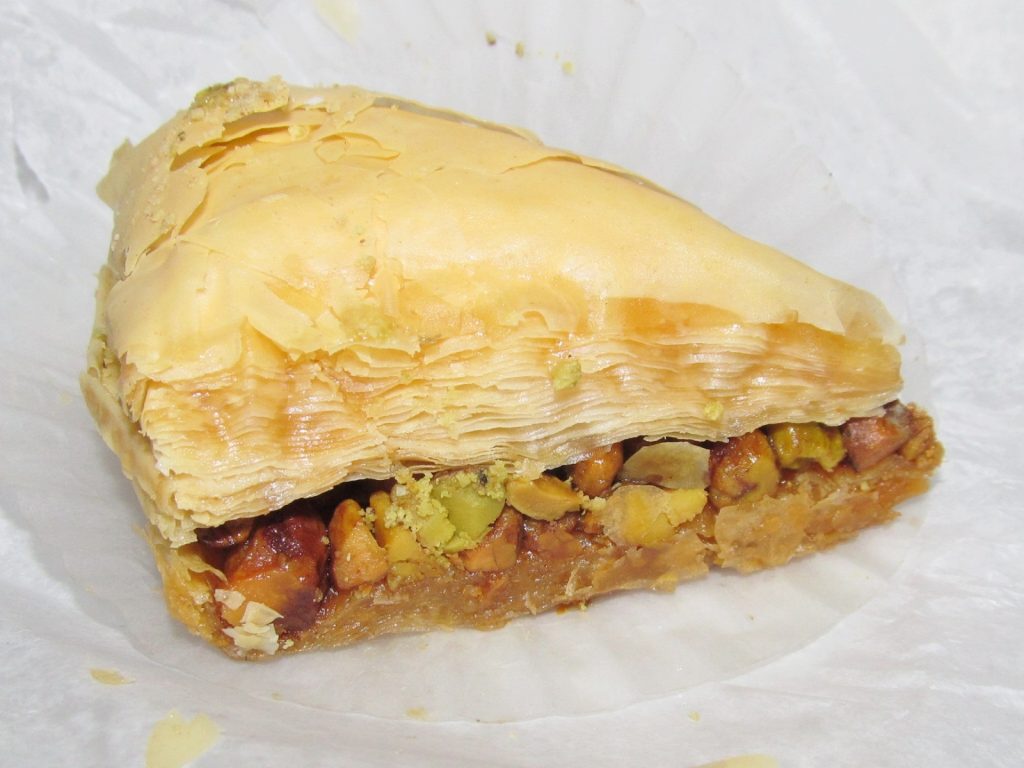
Baklava is serious business here. Karaköy Güllüoğlu traces its family’s baklava making back to Gaziantep in the 1800s and opened its first Istanbul shop in Karaköy in 1949. The company now makes around 2.5 tonnes of baklava a day and has two shops in Karaköy, with its main store on Kemankeş Caddesi and seating on two floors.
- Start with pistachio. It’s the classic, and the colour of the nuts tells you a lot about quality.
- Try walnut too. It’s softer and a little less sweet.
- Order by the portion at a table to sample, then buy a box to take home.
Good baklava should shatter when you bite it and leave the syrup in the pastry, not pooled on the plate.
Markets: the Spice Bazaar and Kadıköy
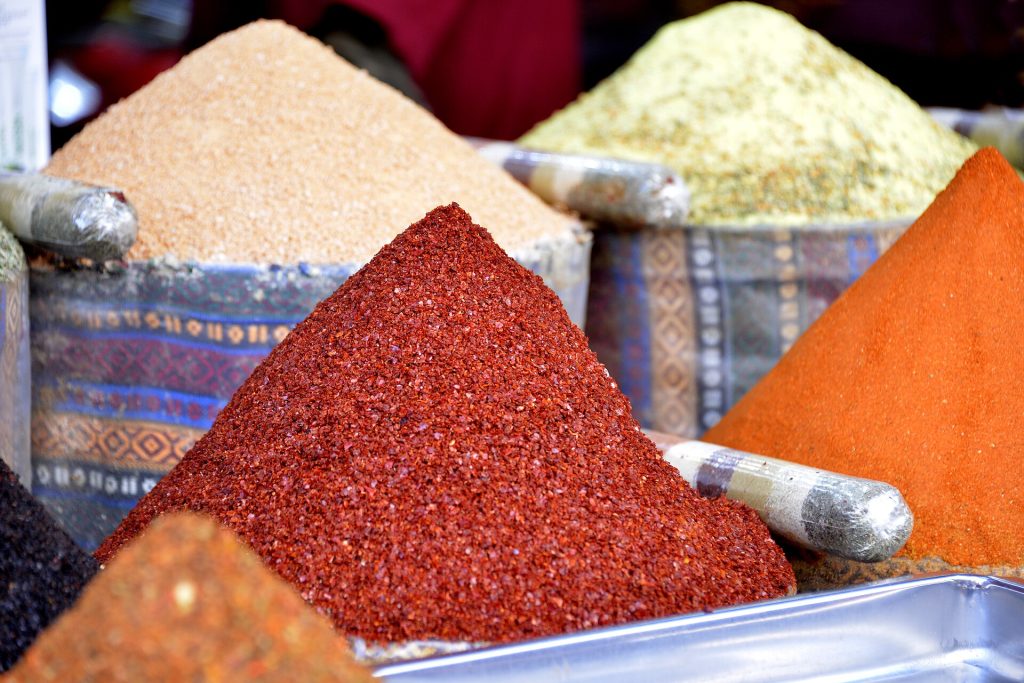
The Spice Bazaar was built in 1660, commissioned by Turhan Sultan as part of the New Mosque complex in Eminönü. Its L-shaped halls still sell spices, nuts, dried fruit, delicatessen goods and seeds. Buy sumac, pul biber (Aleppo-style chilli flakes) and dried mint to take home, and buy small amounts so they stay fresh.
Kadıköy on the Asian side
Take the ferry across and walk up from the pier into the market streets. Go Türkiye highlights the Kadıköy fish market for sandwiches and local specialities, and you’ll find fishmongers, pickle shops, cheese counters and coffee roasters side by side. Come hungry, eat lunch at Çiya, and shop for olives and cheese on the way back to the boat.
A two-day eating plan
Here’s one way to fit it all into two days without rushing.
- Day 1 morning: simit and tea, then the Spice Bazaar when it opens.
- Day 1 lunch: Pandeli, upstairs in the bazaar.
- Day 1 afternoon: balık ekmek on the Eminönü waterfront, then walk over the bridge to Karaköy for baklava at Güllüoğlu.
- Day 1 evening: meze at Karaköy Lokantası.
- Day 2 morning: ferry to Kadıköy and a slow walk through the market streets.
- Day 2 lunch: Çiya Sofrası or Çiya Kebap.
- Day 2 dinner: a classic lokanta meal at Yanyalı Fehmi, or döner from a busy counter.
If you want to recreate a meze spread at home afterwards, our guide to building a meze table is a good place to start.
FAQ
What is the most famous food in Istanbul?
There isn’t one single answer, but simit, balık ekmek, döner and baklava are the dishes almost every visitor tries. For a sit-down meal, a meze dinner at a meyhane is the classic Istanbul experience.
Where should I eat balık ekmek in Istanbul?
By the water in Eminönü and Karaköy, where the sandwiches are grilled and served close to the ferry piers.
Is İskender kebab from Istanbul?
No. It comes from Bursa, where İskender Efendi is credited with creating it in 1867, but you can find it on menus all over Istanbul.
Is Kadıköy worth the ferry ride for food?
Yes. The market streets are among the best places in the city to shop for ingredients, and Çiya’s regional Anatolian dishes are worth the trip on their own.
Before you book
Pick one neighbourhood per half-day, check opening times the day before, and reserve for dinner, especially at weekends. If you’re planning more food travel, browse our food travel guides, look up places near you in the restaurant directory, or try cooking Turkish dishes at home while the trip is still fresh.
Featured photo: Simit-2x by Wikimedia Commons contributor, BY-SA 3.0.