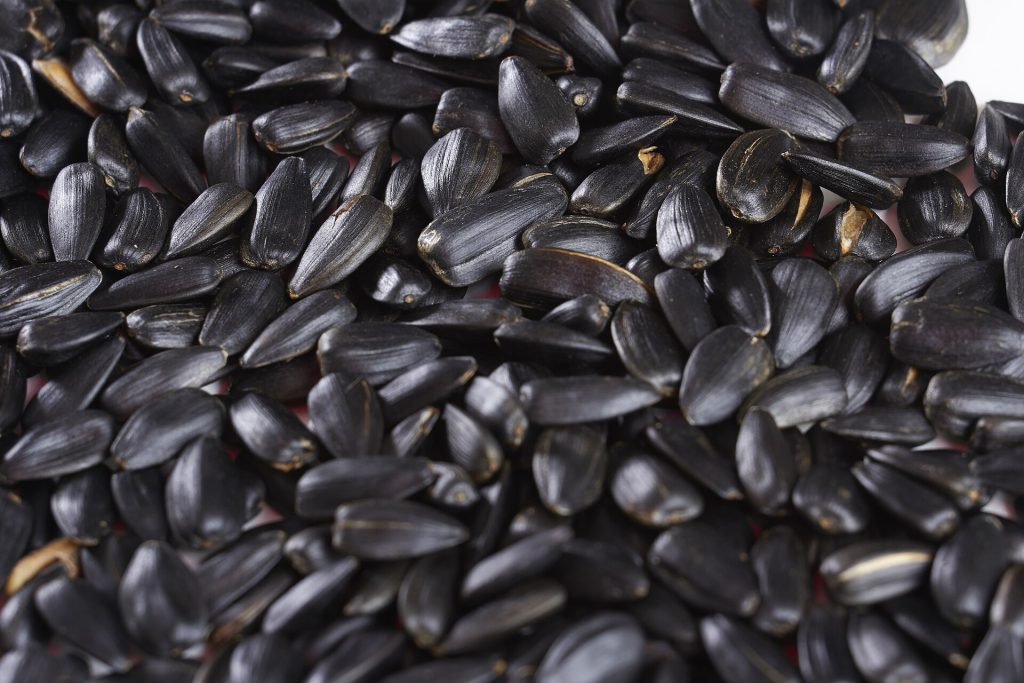
Seed oils are the plant oils pressed or extracted from seeds: canola, corn, soybean, sunflower, safflower, cottonseed, grapeseed and rice bran. Online, they get blamed for everything from inflammation to heart disease. The short answer to the most common seed oils myths is that the major health bodies and university researchers don’t back them up. Used in home cooking, these oils are a reasonable choice, and swapping them in for butter or lard is linked to better heart health.
That doesn’t mean every claim is pure invention. Some myths start from a real fact, such as the use of a solvent during extraction, and then stretch it well past what the evidence shows. Others mix up the oil itself with the ultra-processed foods it often turns up in.
Below, we take the six claims home cooks hear most, one at a time, and set each against what the American Heart Association, Harvard and Johns Hopkins researchers say. This is kitchen guidance, not medical advice, so if you have a specific health condition, talk to your own doctor or dietitian.
Key takeaways
- Seed oils are mostly unsaturated fat, and using them in place of saturated fats is linked to a lower risk of heart disease.
- Harvard Health reports that eating more linoleic acid, the main omega-6 in seed oils, does not raise inflammatory markers in the blood.
- Hexane used in extraction evaporates during processing, leaving little if any residue.
- Refined seed oils handle high heat well; the real problem is oil reused over and over, as in some fast-food fryers.
- The 2025–2030 Dietary Guidelines name olive oil first but do not warn against seed oils by name.
In this guide
- Six seed oil myths at a glance
- Myths about what seed oils are
- The inflammation myth
- Myths about processing and heat
- What the dietary guidelines actually say
- How to cook with seed oils sensibly
- FAQ
- Your next shopping trip
Six seed oil myths at a glance
Here is the whole argument in one table. Each myth gets a closer look below.
| Myth | What the evidence says |
|---|---|
| Seed oils are a strange modern industrial product | They are ordinary plant oils; refined versions are processed, but so is most food |
| Omega-6 fats cause chronic inflammation | Higher linoleic acid intake does not raise inflammatory markers in the blood |
| Hexane residue makes them toxic | Hexane evaporates during processing; Johns Hopkins researchers say it isn’t present in the final product |
| They turn toxic the moment you heat them | Refined seed oils have high smoke points; repeated reheating is the real issue |
| Butter and lard are healthier swaps | Replacing saturated fat with unsaturated fat is linked to lower heart-attack risk |
| Seed oils are why processed food is unhealthy | The problem is the ultra-processed food as a whole, not the oil in it |
Myths about what seed oils are
Myth 1: Seed oils are a weird industrial invention
Part of the suspicion is simply the name. A “seed oil” sounds unfamiliar, yet the list is the same bottles that have sat in pantries for decades. The American Heart Association names eight that come up in the debate: canola, corn, cottonseed, grapeseed, soy, rice bran, sunflower and safflower. It also acknowledges the fair point behind the myth: these oils are extracted through processing, rather than simply pressed the way olive oil is.
Processed is not the same as harmful, though. Flour is milled, cheese is cultured and pressed, and chocolate goes through a dozen steps. Whether a food is good for you depends on what ends up in the bottle, and seed oils are mostly unsaturated fat.
Myth 2: Butter or lard would be the healthier swap
This is the myth with the most practical consequences, because it changes what goes in your pan. According to Harvard Health Publishing, research links eating unsaturated fat in place of saturated fat to a lower risk of heart attack. The AHA says cooking with seed oils is preferable to cooking with saturated fats like butter or lard, while pointing to olive oil as the best everyday choice.
The oil in your pan matters less than what it replaces and what you cook in it.
The inflammation myth
Myth 3: Omega-6 fats inflame your whole body
This is the claim you’ll hear most. The logic runs like this: seed oils are rich in linoleic acid, an omega-6 fat; the body can convert linoleic acid into compounds involved in inflammation; therefore, seed oils cause chronic inflammation. Harvard Health confirms the first two steps and then stops the chain. It reports that research shows increasing linoleic acid in the diet doesn’t increase levels of inflammatory markers in the blood.
Researchers at the Johns Hopkins Bloomberg School of Public Health go further, describing the inflammation worry as based on a misunderstanding of omega-3 and omega-6 fats. Their summary links linoleic acid with a reduced risk of cardiovascular disease, heart attack, stroke and diabetes. The AHA adds useful context: omega-6 is an essential fat the body can’t make on its own, and both omega-6 and omega-3 play roles in the body’s inflammatory response.
Where the grain of truth sits
Short-term inflammation, the kind that follows a cut or an injury, is part of healing. The worry is chronic, excessive inflammation. The evidence cited by these institutions doesn’t show that seed oils in a normal diet push you there. Balance still matters, and Harvard Health points out that canola oil supplies ALA, the main vegetarian source of essential omega-3 fats.
Myths about processing and heat
Myth 4: Hexane residue makes seed oils toxic
Many refined seed oils are extracted with hexane, a solvent. That part is true. What the myth leaves out is the next step. Harvard Health notes that hexane evaporates during oil processing, leaving limited if any residual hexane, and the Johns Hopkins researchers state that the solvents are not present in the final product that reaches shelves and do not pose health risks to consumers.
If you prefer less processing on principle, expeller-pressed or cold-pressed versions exist. Just know that the choice is about taste and preference, and the cooking behaviour changes too, as the next myth shows.
Myth 5: Heating seed oils turns them toxic
Refined seed oils are among the more heat-tolerant fats in your kitchen. Johns Hopkins researchers note that refined seed oils keep higher smoke points suited to sautéing and frying, while cold-pressed oils have low smoke points and break down at high heat. So the unrefined bottle is the one to keep for dressings and gentle cooking.
The real concern is reuse. Harvard Health explains that repeatedly heating unsaturated oils creates trans fats and other harmful substances, and says this mostly applies to fast-food settings where frying oil isn’t changed often enough. At home, fresh oil for each fry sidesteps the problem.
Myth 6: Seed oils are what makes processed food unhealthy
Look at the ingredient list on a bag of chips or a packaged pastry and you’ll often find soybean or sunflower oil. It’s tempting to pin the blame there. The AHA says the real concern is ultra-processed foods loaded with high-fructose corn syrup, added sugar and sodium, not the seed oils themselves. The Johns Hopkins team makes the same point: the food is the problem, not the inclusion of seed oils.

What the dietary guidelines actually say
The Dietary Guidelines for Americans, 2025–2030, released in January 2026, take a whole-foods line on fat. For cooking, they recommend oils with essential fatty acids, such as olive oil, and say other options can include butter or beef tallow. They also keep the long-standing limit: saturated fat should generally not exceed 10% of total daily calories.
Notably, the guidelines don’t name seed oils or vegetable oils at all, either to recommend them or to warn against them. If you use butter or tallow, the 10% saturated-fat ceiling is the number to keep in mind, and that’s easier to stay under when most of your everyday cooking fat is unsaturated.
How to cook with seed oils sensibly
Once the myths are out of the way, the practical advice is refreshingly boring.
- Match oil to job. Extra-virgin olive oil for dressings, finishing and everyday sautéing; a refined seed oil like canola or sunflower for high-heat searing and frying.
- Use tablespoons, not glugs. Harvard Health suggests a few tablespoons to sauté vegetables or dress a salad, in moderation.
- Don’t reuse frying oil endlessly. Repeated heating is where the harmful by-products come from.
- Store it well. Keep bottles cool and away from light; Harvard Health even suggests refrigerating oils.
- Focus on the plate. Cutting back on ultra-processed snacks does more than switching oils ever will.
For more everyday nutrition that stays grounded in evidence, browse our healthy eating guides, or read up on cooking with olive oil.
FAQ
Are seed oils bad for you?
Not according to the American Heart Association, Harvard Health or Johns Hopkins researchers. Used in place of saturated fats, they’re linked to better heart health. The bigger issue is heavily processed food, whatever oil it contains.
Is canola oil a seed oil?
Yes. Canola is one of the eight oils usually grouped under the label, along with corn, soybean, sunflower, safflower, cottonseed, grapeseed and rice bran.
Should I cook with olive oil instead?
Olive oil is a great default, and both the AHA and the 2025–2030 guidelines point to it. Seed oils are a sensible alternative, especially for high-heat cooking or when you want a neutral flavour.
Do seed oils cause inflammation?
Harvard Health reports that raising linoleic acid intake doesn’t increase inflammatory markers in the blood. If you have a specific inflammatory condition, ask your own clinician for advice that fits you.
Your next shopping trip
Next time you shop, pick one good extra-virgin olive oil for flavour and one neutral refined oil for high heat, and stop worrying about the bottle. Put the energy you save into cooking from scratch more often. Our guide to healthy meal prep is a good place to start.
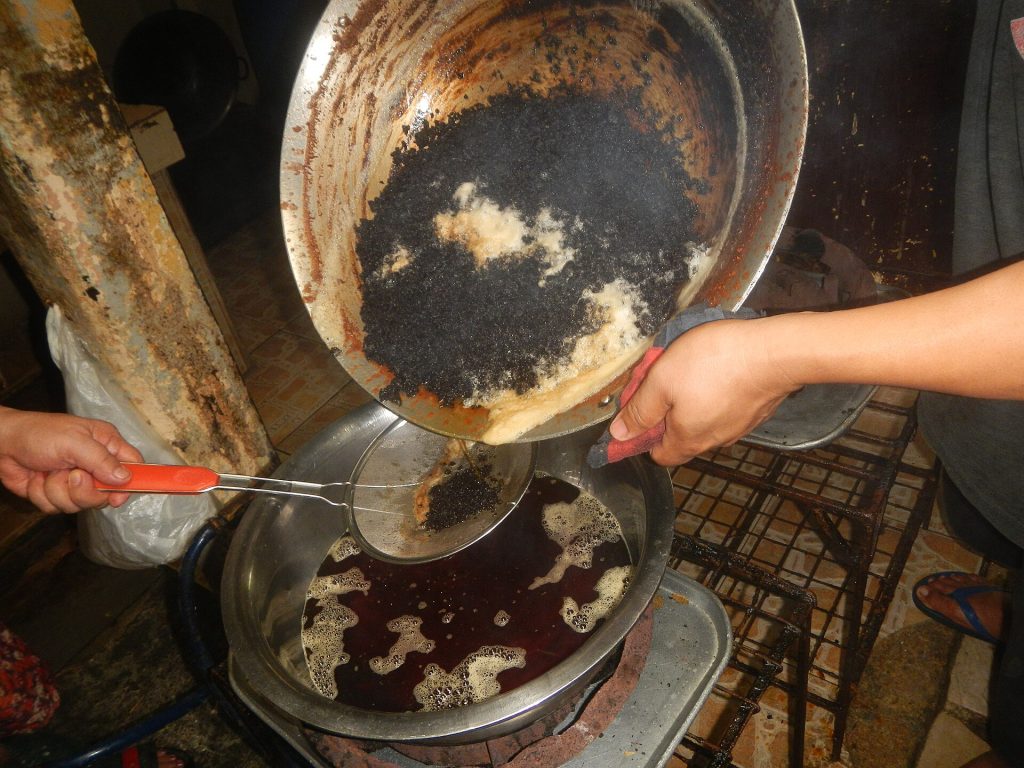
Featured photo: 9129Processing and cooking of coconut healing oil in the Philippines 46 by Judgefloro, CC0.