Fine dining is more than just eating a meal—it is a carefully choreographed experience that blends culinary skill, artistic presentation, precise timing, and thoughtful hospitality. From the moment ingredients enter the kitchen to the final plate arriving at the table, every step is intentional. Behind the calm elegance of a fine dining restaurant lies a fast-paced world of discipline, creativity, and coordination.
The Philosophy Behind Fine Dining
At its core, fine dining is about elevating food into an experience. It is not only about taste, but also about storytelling, emotion, and atmosphere. Chefs in fine dining kitchens aim to create dishes that reflect their identity, culture, or culinary philosophy. Some focus on local and seasonal ingredients, while others push boundaries with modern techniques or global influences.
Unlike casual dining, where speed and simplicity often matter most, fine dining prioritizes detail. Every component on the plate has a purpose—whether it adds texture, contrast, flavor balance, or visual harmony. Even negative space on the plate is considered part of the design.
The Journey of Ingredients
The process begins long before cooking starts. Fine dining restaurants often build relationships with trusted farmers, fishermen, and artisanal producers. Ingredients are selected not only for quality but for consistency and sustainability.
For example, vegetables might be harvested early in the morning and delivered the same day to preserve freshness. Seafood is often sourced based on daily availability rather than fixed menus. In some luxury kitchens, rare delicacies such as Ossetra caviar are handled with extreme care, served in precise portions to highlight their briny complexity without overwhelming other elements on the plate. This means chefs must adapt constantly, shaping their dishes around what is at its peak.
Once ingredients arrive in the kitchen, they are carefully inspected, stored, and prepared. This stage—known as mise en place, a French term meaning “everything in its place”—is essential. Vegetables are trimmed and portioned, sauces are prepared in advance, and proteins are carefully prepped so that service runs smoothly later.
The Kitchen as a High-Pressure Orchestra
During service, a fine dining kitchen becomes a highly coordinated environment. It is often compared to an orchestra, where every station plays a specific role under the direction of the head chef or executive chef.
The kitchen is divided into sections: sauté, grill, pastry, garde manger (cold dishes), and others depending on the restaurant. Each chef is responsible for their station, but timing and communication are everything. Orders come in rapidly, and dishes must be executed with precision and consistency.
A single table’s order might involve multiple chefs working simultaneously. One prepares the protein, another handles sauces, another focuses on plating. If even one component is late, the entire dish is affected. This is why discipline and repetition are crucial in fine dining kitchens.
The Art of Plating
Presentation is one of the defining features of fine dining. A dish is designed to be visually striking before the first bite is taken. Chefs think like artists, balancing color, height, texture, and composition.
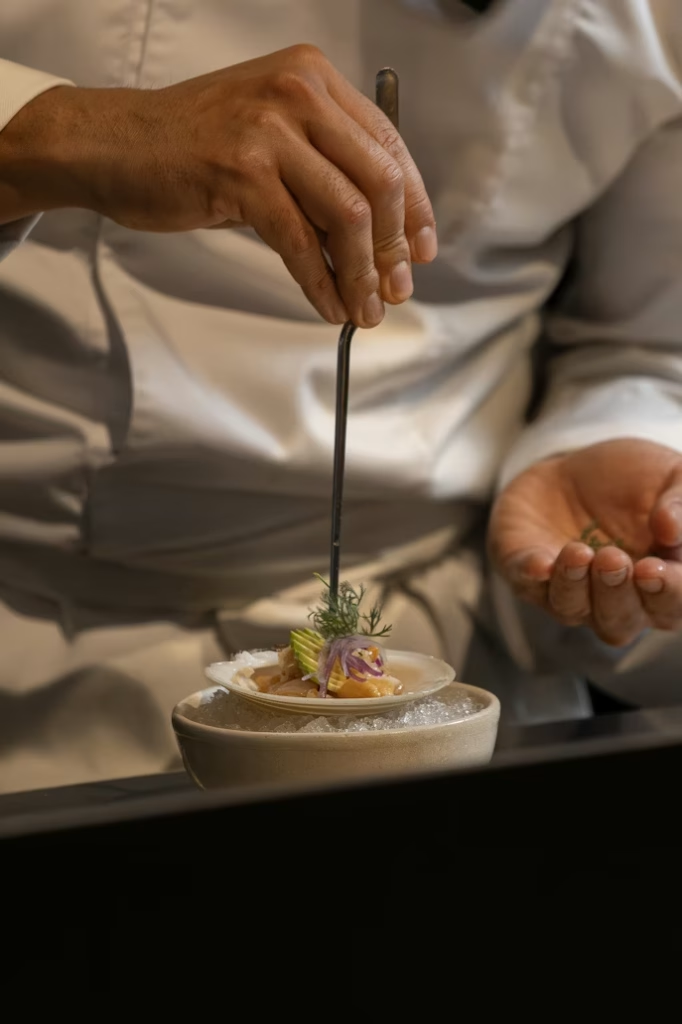
Plating is often done in the final moments before a dish leaves the kitchen. Tweezers may be used to place delicate herbs or edible flowers. Sauces are carefully brushed or dotted. Every plate must look identical to the last, ensuring consistency for every guest.
However, beauty is not the only goal. The layout of a plate is also designed to guide the diner’s experience. The order in which ingredients are eaten can affect how flavors are perceived. A well-designed dish leads the guest through a progression of taste and texture.
The Role of Timing and Temperature
Timing in fine dining is extremely precise. Dishes are not prepared in isolation but as part of a synchronized sequence. Hot dishes must arrive hot, cold dishes must remain chilled, and everything must reach the table at the same time for an entire group of guests.
This requires careful coordination between the kitchen and front-of-house staff. Servers and chefs communicate constantly to ensure that pacing aligns with the dining experience. A delay of even a minute can affect the quality of a dish.
Temperature control is equally important. Many fine dining kitchens use techniques such as resting meats, flash chilling garnishes, or holding sauces at specific temperatures to preserve integrity.
The Front of House Experience
While the kitchen is the heart of the operation, the dining room is where the experience comes to life. Servers in fine dining restaurants are highly trained professionals who understand not just the menu, but also wine pairings, ingredient sourcing, and guest preferences.
Their role goes beyond taking orders—they guide guests through the meal. This might include explaining dishes, suggesting pairings, or adjusting pacing based on the table’s mood. Subtlety is key; the goal is to enhance the experience without overwhelming the guest.
Attention to detail extends to every aspect of service, from the way a plate is placed on the table to how water glasses are refilled. The aim is seamless hospitality that feels natural and effortless, even though it is highly structured behind the scenes.
The Emotional Element of Dining
Fine dining is ultimately about emotion. A successful meal can evoke surprise, comfort, nostalgia, or curiosity. Chefs carefully design menus to take guests on a journey, often starting with lighter flavors and gradually building complexity.
Tasting menus, common in fine dining restaurants, are especially focused on this progression. Each course is designed to contrast or complement the previous one, creating a narrative through food.
Even ambiance plays a role. Lighting, music, table spacing, and interior design all contribute to how a guest feels during the experience. The goal is to create an environment where food becomes the centerpiece of a memorable occasion.
Innovation and Tradition
Fine dining constantly balances tradition with innovation. Many techniques used today—such as emulsification, fermentation, or sous-vide cooking—are rooted in classical culinary methods but have been refined with modern technology.
At the same time, chefs are always experimenting. Molecular gastronomy, plant-based tasting menus, and cross-cultural fusion are just a few examples of how the field continues to evolve. Despite innovation, respect for fundamental techniques remains essential.
Conclusion
From the careful selection of ingredients to the final presentation at the table, fine dining is a craft defined by precision, creativity, and collaboration. It is a world where timing, technique, and artistry converge to create more than just food—it creates experience.
Behind every beautifully plated dish is a network of people working in harmony, transforming raw ingredients into something memorable. In fine dining, the journey from kitchen to table is not just a process—it is a performance, carefully designed to engage all the senses and leave a lasting impression.